Gaza children crisis 2026 is one of the most devastating humanitarian emergencies of our time. Children are starving, traumatized, displaced, and denied basic safety while the world continues to debate, delay, and look away. This is not a distant tragedy hidden from public view. It is a crisis unfolding in plain sight, affecting children who should be in school, eating safely, sleeping peacefully, and growing with dignity. Instead, many are spending their days searching for food, their nights in fear, and their childhoods under the shadow of loss.
What makes this crisis so severe is that it has started to feel normal to the outside world, even though it is destroying the lives of children who are living through it. A child should never have to fight for food, shelter, or survival. Yet that is exactly what many children in Gaza are being forced to do every day. This article explains the reality of the crisis, why it is so severe, and why it cannot be ignored any longer. A child survival emergency is unfolding in real time, and every delay makes the damage harder to reverse.
The Human Cost Of The Crisis
The Gaza crisis is not just about conflict. It is about the destruction of ordinary childhood. When children are forced to live without enough food, medical care, safety, and education, the damage goes far beyond the present moment. Every day in Gaza, children are exposed to conditions that no child should ever face. Many are separated from family members. Many are living in overcrowded shelters. Many are hungry for long periods. Many are frightened by the constant uncertainty around them.
This kind of suffering creates a deep human cost that cannot be measured only in numbers. It affects a child’s body, mind, and future all at once. A child who is too weak to eat properly, too frightened to sleep well, or too traumatized to learn is already losing the foundations of a healthy life. That is why the crisis must be understood not only as a political event, but as a child survival emergency with long-term consequences. The emotional and physical cost of this crisis will not disappear quickly, even if conditions improve later.
Hunger Is Destroying Childhood
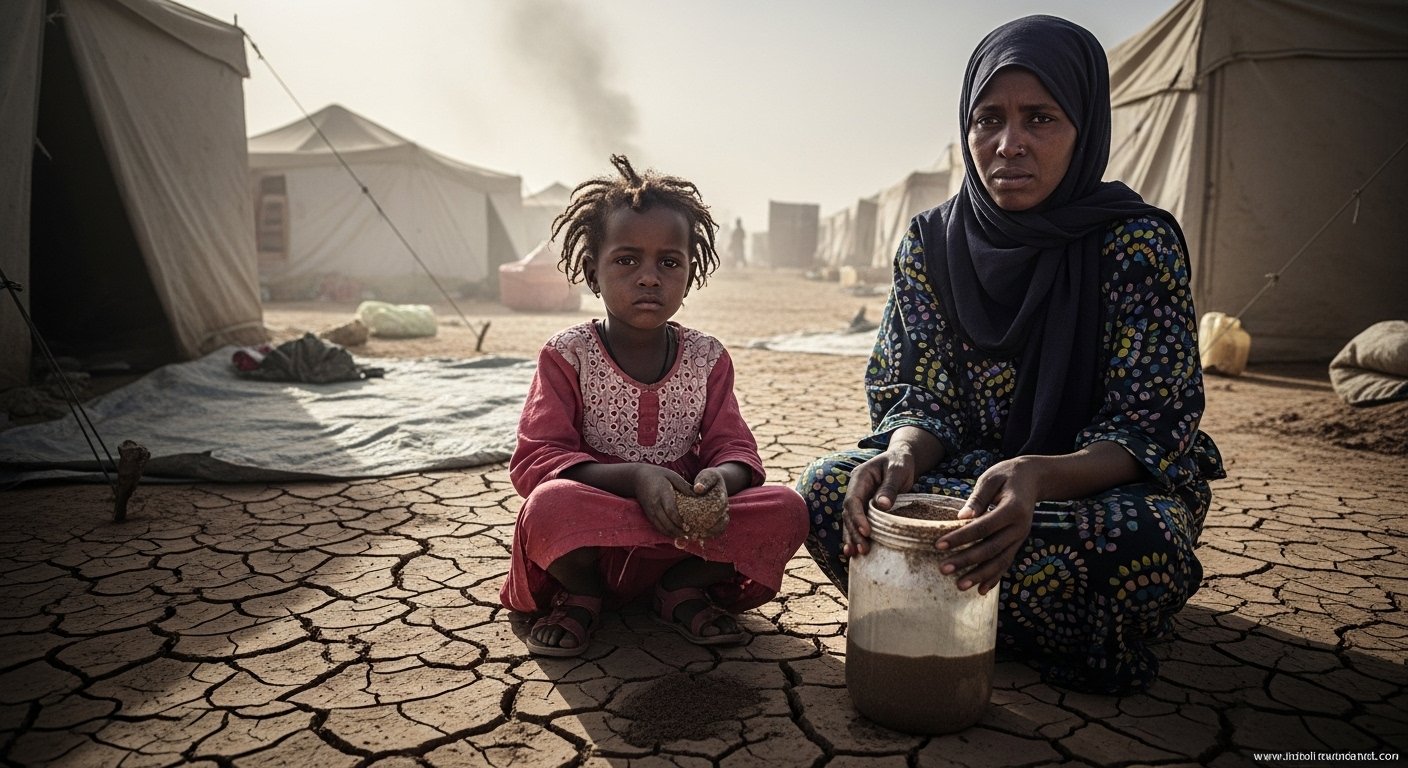
Hunger is one of the most urgent and visible parts of the crisis in Gaza. Children need regular meals, clean water, and balanced nutrition to grow, think, and stay healthy. But in a crisis like this, families often cannot secure even the most basic food. That means children may go to sleep hungry, wake up hungry, and spend the day with too little energy to move, play, or concentrate.
Hunger is not a temporary discomfort when it lasts for weeks or months. It becomes a serious threat to growth and survival. Children who do not eat enough can lose weight, become weak, and fall sick more easily. Their learning also suffers because the brain does not function well without proper nutrition. In a normal setting, hunger is a problem. In a war zone or crisis zone, hunger becomes a life-threatening force. That is why the food shortage in Gaza must be seen as a major humanitarian issue, not a small side effect. Food shortage and child survival are now directly connected in a way that no society should ever accept.
Malnutrition And Permanent Damage
Hunger often leads to malnutrition, and malnutrition is even more dangerous because it means the body is not receiving the nutrients it needs to function properly. Children who are malnourished may appear frail, tired, and unable to recover from illness quickly. In severe cases, the damage can become life-threatening. Babies and young children are especially vulnerable because their bodies and brains are still developing.
If they do not get enough nutrition during these early years, the damage can affect their growth, strength, immune system, and learning ability for the rest of their lives. Malnutrition can also weaken a child so much that simple infections become far more dangerous. This is why it is not enough to say that children are “just hungry.” The reality is much more serious. Malnutrition and lifelong damage can leave a child with health problems, delayed development, and reduced ability to recover even if food becomes available later. That makes early intervention absolutely critical.
Hospitals Cannot Carry The Load
A child who is weak, injured, dehydrated, or malnourished should be able to depend on hospitals and clinics for help. But in Gaza, the medical system has been under enormous pressure. Many health facilities are damaged, overcrowded, or operating with limited supplies. That means even children who do reach care may face delays, shortages, or incomplete treatment. Hospitals are supposed to provide relief, but when they are struggling themselves, children lose one of the most important protections they have.
Routine services such as vaccinations, newborn care, and treatment for common illnesses can also become harder to access. This is especially dangerous for children, because their health can decline very quickly when they are already weak. In a crisis like this, medical support is not a luxury. It is a survival need. When hospitals cannot meet the demand, the risk of avoidable suffering rises sharply. Hospitals and survival access are now part of the same struggle, and children are the ones paying the price.
Trauma That Children Carry
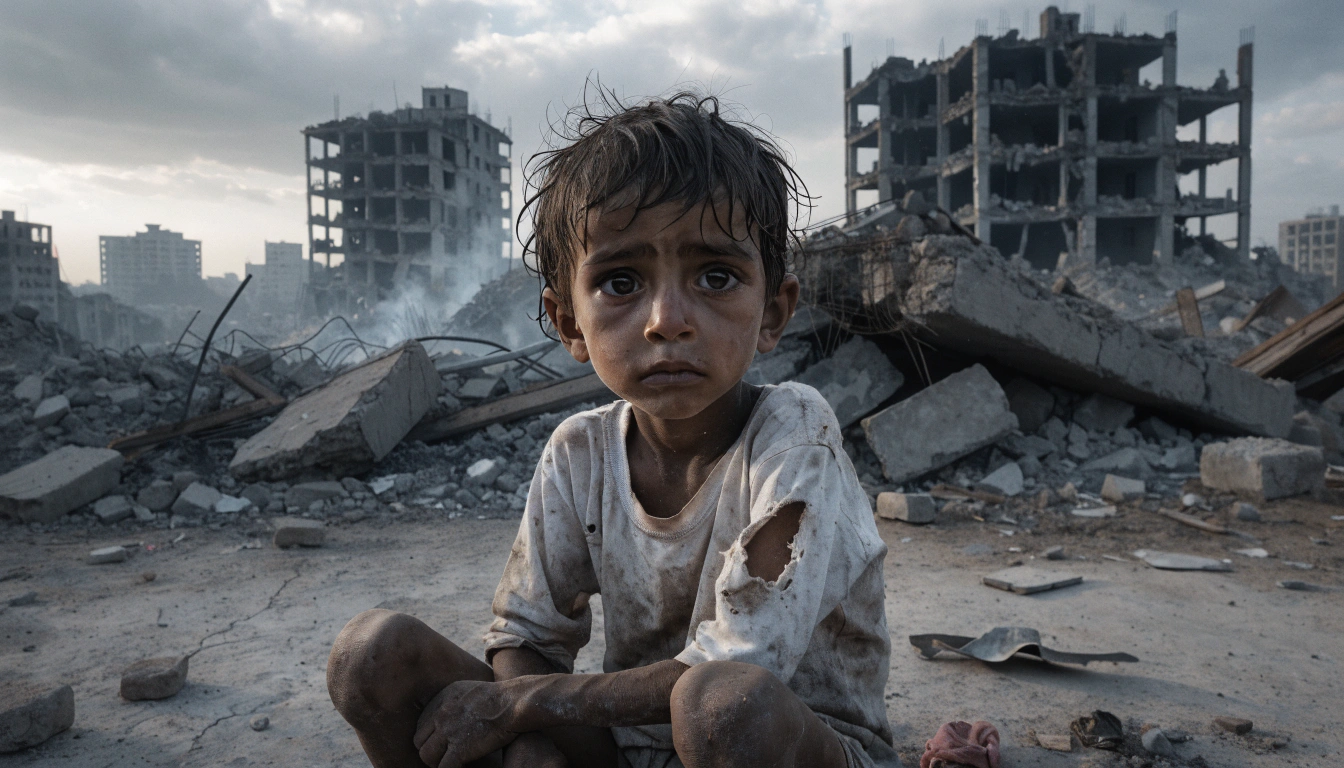
The damage caused by the crisis is not only physical. Many children in Gaza are carrying deep emotional trauma from fear, loss, and instability. They have seen destruction, heard constant danger, and experienced the collapse of normal life. Some have lost relatives. Some have lost homes. Some have lost schools, routines, and the sense of safety that children need in order to feel secure.
Emotional trauma can affect sleep, behavior, concentration, and trust. A child who has lived in fear for a long time may become quiet, anxious, withdrawn, or overwhelmed. Some children may stop playing the way they used to. Others may struggle to speak about what they are feeling. These are not small problems. They are signs of deep psychological pain. Invisible wounds are still wounds. If children are forced to live in a state of constant fear, the harm can last much longer than the crisis itself.
Education Has Been Interrupted
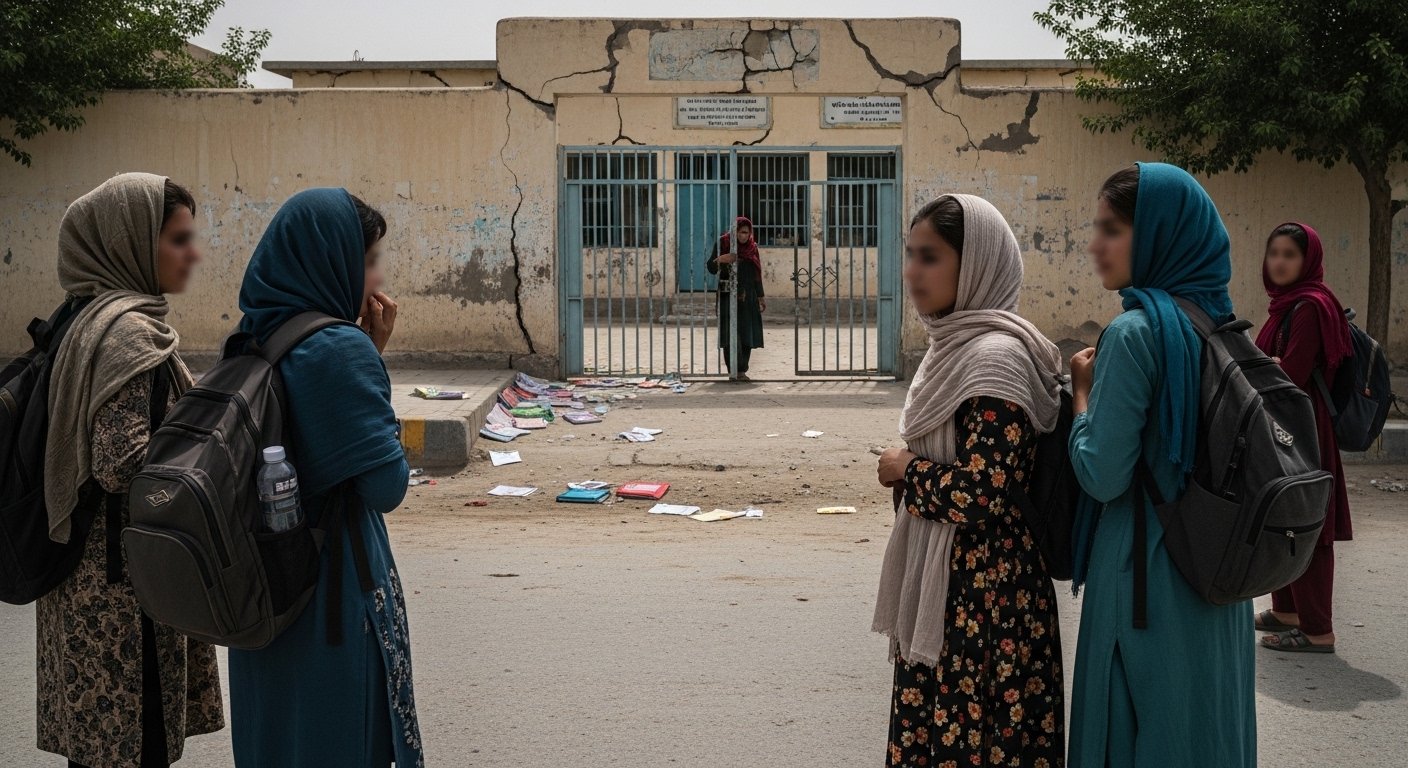
Education is one of the first things children lose in a major crisis, and it is one of the hardest things to rebuild later. In Gaza, many schools have been damaged, made unusable, or turned into shelters for displaced families. That means children are missing classes, losing structure, and falling behind in ways that can affect their future for years.
School is not only about lessons and exams. It gives children routine, friendship, confidence, and hope. It helps them feel that life is still moving forward. When education stops for too long, children lose more than academic progress. They lose part of their identity and their sense of possibility. A child who cannot learn normally today may struggle to recover tomorrow. In crisis situations, education also acts as protection because it creates safe spaces, support, and emotional stability. Education and future hope are closely connected, and both are under serious threat in Gaza.
Families Are Carrying Extreme Pressure
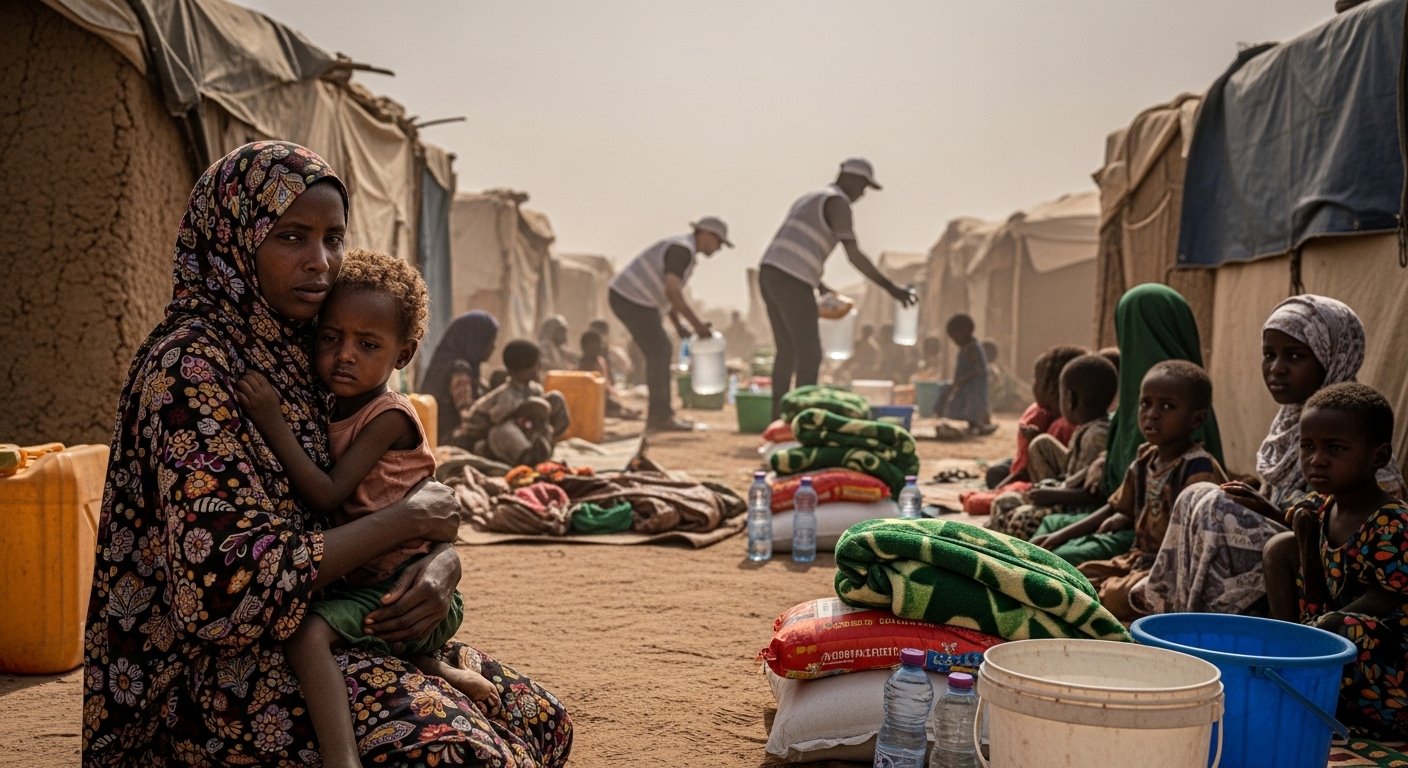
Behind every child in Gaza is a family trying to survive very difficult conditions. Parents and caregivers are often doing everything they can, but many are exhausted, displaced, grieving, or unable to provide enough food and safety. Some parents sacrifice their own meals for their children. Some spend their time searching for water, medicine, or a safe place to sleep. Others are trying to protect children while carrying their own fear and uncertainty.
This constant pressure affects the whole household. Children feel it when adults are worried, stressed, or unable to answer their questions. The emotional burden becomes part of daily life. A crisis of this scale does not only damage children directly. It also weakens the support systems they depend on most. That is why family stress is a major part of the wider humanitarian emergency. Families under extreme pressure cannot provide normal protection, and children become even more vulnerable because of it.
Why The World Must Care
The Gaza children crisis is not only a local issue. It is a test of global responsibility. Children should never be made to suffer for a conflict they did not create. They should never be reduced to statistics while adults debate, delay, or stay silent. When the world sees children in hunger, fear, and medical danger and still fails to respond strongly enough, it is failing its moral duty.
This crisis matters because it reveals what kind of world we are willing to accept. If children can be left to suffer while the world looks away, then every promise about human rights becomes weaker. Real care means more than sympathy. It means food access, medical support, safe shelter, education, and long-term protection. It means refusing to normalize suffering. It means remembering that every child is a human being with dignity, needs, and a future that matters. World responsibility matters most when children are the ones in danger.
What Real Action Should Look Like
A real response to the Gaza children crisis must focus on survival first. Children need safe access to food, water, medical care, and shelter. They need nutrition support that actually reaches them. They need functional hospitals and reliable aid systems. They need protection from further harm and a path back to education and normal life. This is not something that can be solved by sympathy alone. It requires action, coordination, and long-term commitment.
Humanitarian access must remain open. Basic services must be restored. Children must be treated as children, not as statistics. If the world wants to claim it cares about human rights, then this is where that claim must become real. A child in Gaza is no less deserving of safety than a child anywhere else. That truth should guide every response. Real action and lasting protection are the only things that can turn words into meaningful help.
Final Word
The Gaza children crisis in 2026 is a deep humanitarian tragedy that should disturb every conscience. Children are still living with hunger, fear, disease, and interrupted education in conditions that no child should have to endure. Their suffering is not abstract. It is real, immediate, and damaging in ways that can shape their lives for years. The world cannot keep treating this as just another headline.
It is a child rights emergency, a moral crisis, and a human responsibility. If we ignore it, we become part of the silence that allows it to continue. If we speak, care, and act, we give these children a better chance to survive, recover, and rebuild. Children deserve safety and dignity now, not later. That is the least the world should do for them.