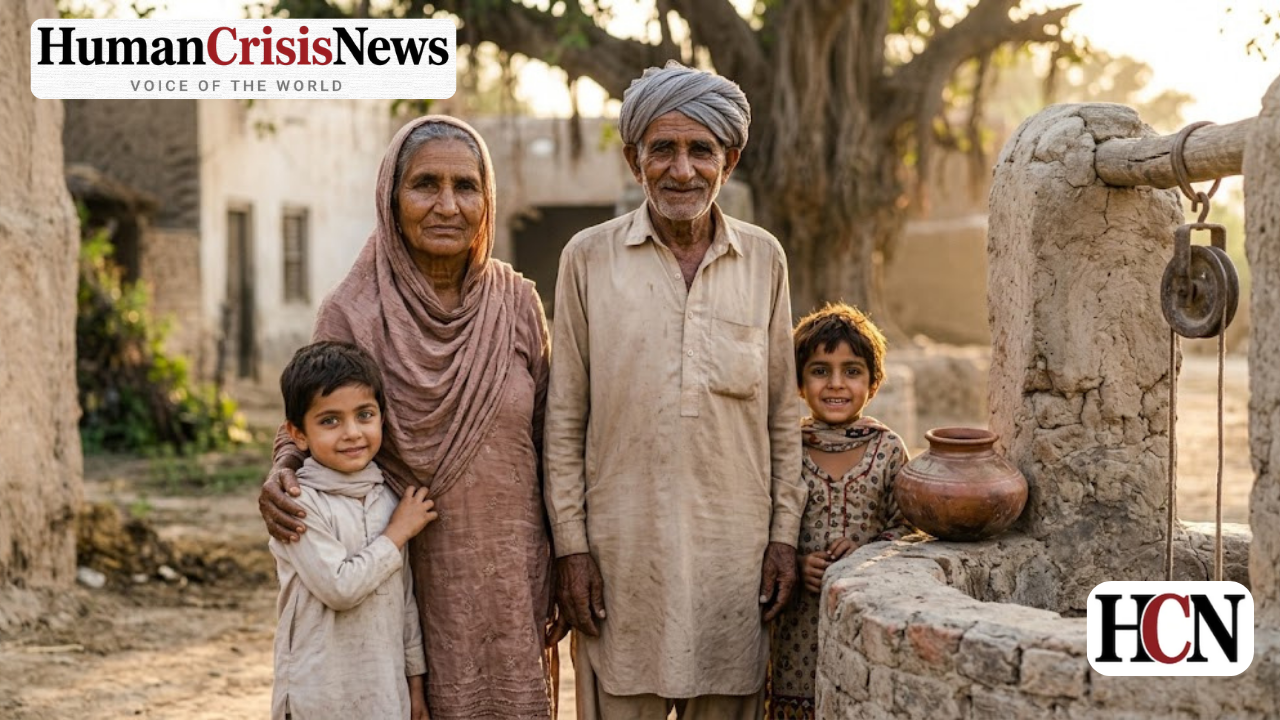
The sun has not yet cleared the hills when Rasheeda Bibi steps out of her mud-brick home, a clay pot balanced on her hip, walking the same seventy steps to the well that her mother walked, and her mother’s mother before her. This is a village that never gave up hope – a village that never gave up hope even as everything around it was rewritten by time. The rope creaks against the old wooden pulley. The water is cold. And for one more morning, the ritual survives.
Nobody outside these hills would know this village by name. It does not appear on glossy tourism posters or trend on anyone’s timeline. It is one of thousands of small settlements scattered across the plains and foothills, the kind of place the world tends to drive past on its way somewhere else. But if you slow down long enough to actually look, you find something the rest of us have quietly lost – a stubborn, deliberate refusal to let go of who they are.
A World That Kept Moving
Forty years ago, this village and the nearest city were, in every meaningful sense, the same distance from the future. Neither had electricity that stayed on through the night. Neither had a paved road. Letters took a week to arrive, and news of the outside world came slowly, secondhand, filtered through travelers and traders.
Then the world changed. It changed fast, and it changed everywhere else first.
The city grew glass towers where there used to be orchards. Motorways cut through what were once wheat fields. Smartphones arrived, then high-speed internet, then home delivery apps that could bring a hot meal to your door in twenty minutes. An entire generation grew up not remembering a time before instant answers to every question.
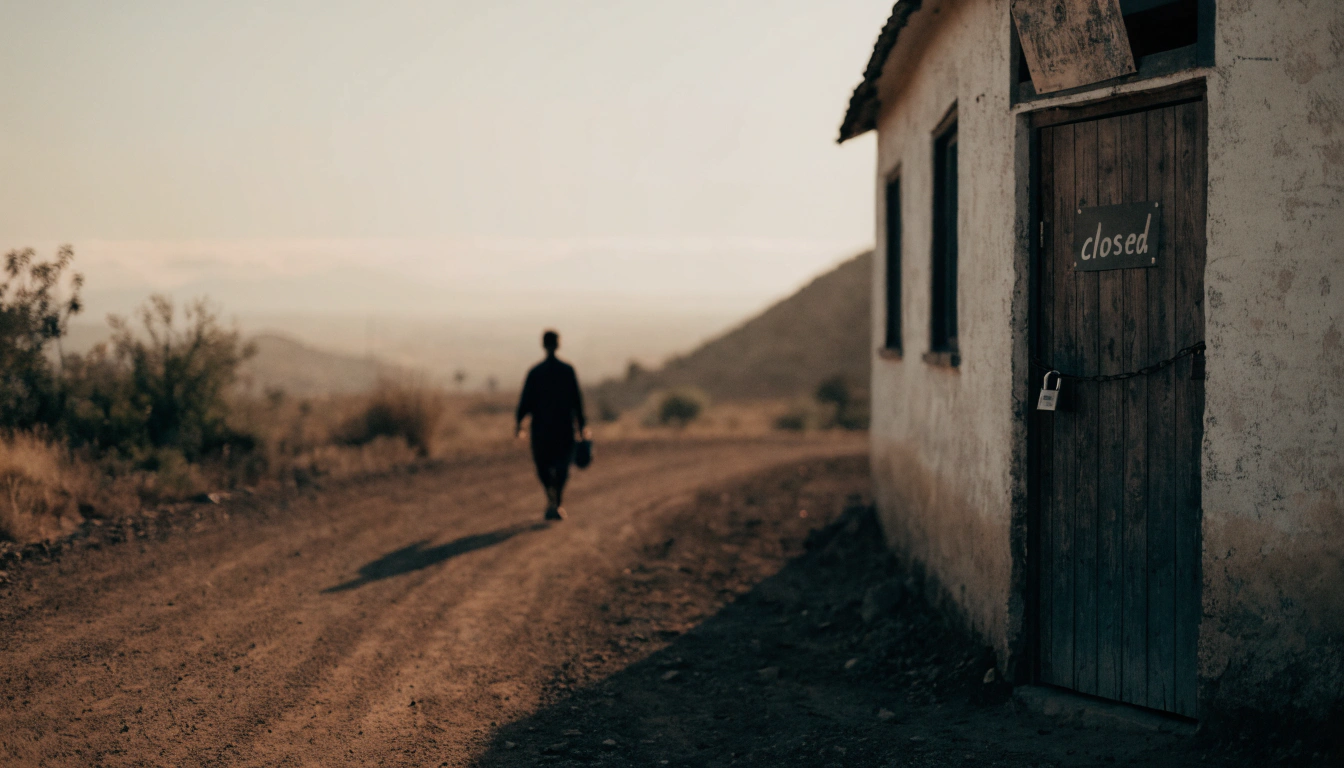
Out here, the change arrived differently – later, thinner, and never quite finished. Electricity came, but it flickers more than it holds. A mobile signal exists, but only if you climb to the roof and stand in exactly the right corner. The road was paved once, a decade ago, and has been slowly reclaimed by dust and cracks ever since. Progress did not skip this village entirely. It simply passed through in a hurry, dropping fragments, and moved on toward brighter lights elsewhere.
What the Village Lost
It would be dishonest to tell this story as one of quiet, contented simplicity. That is the comfortable version, the one that photographs well. The truth carries weight.
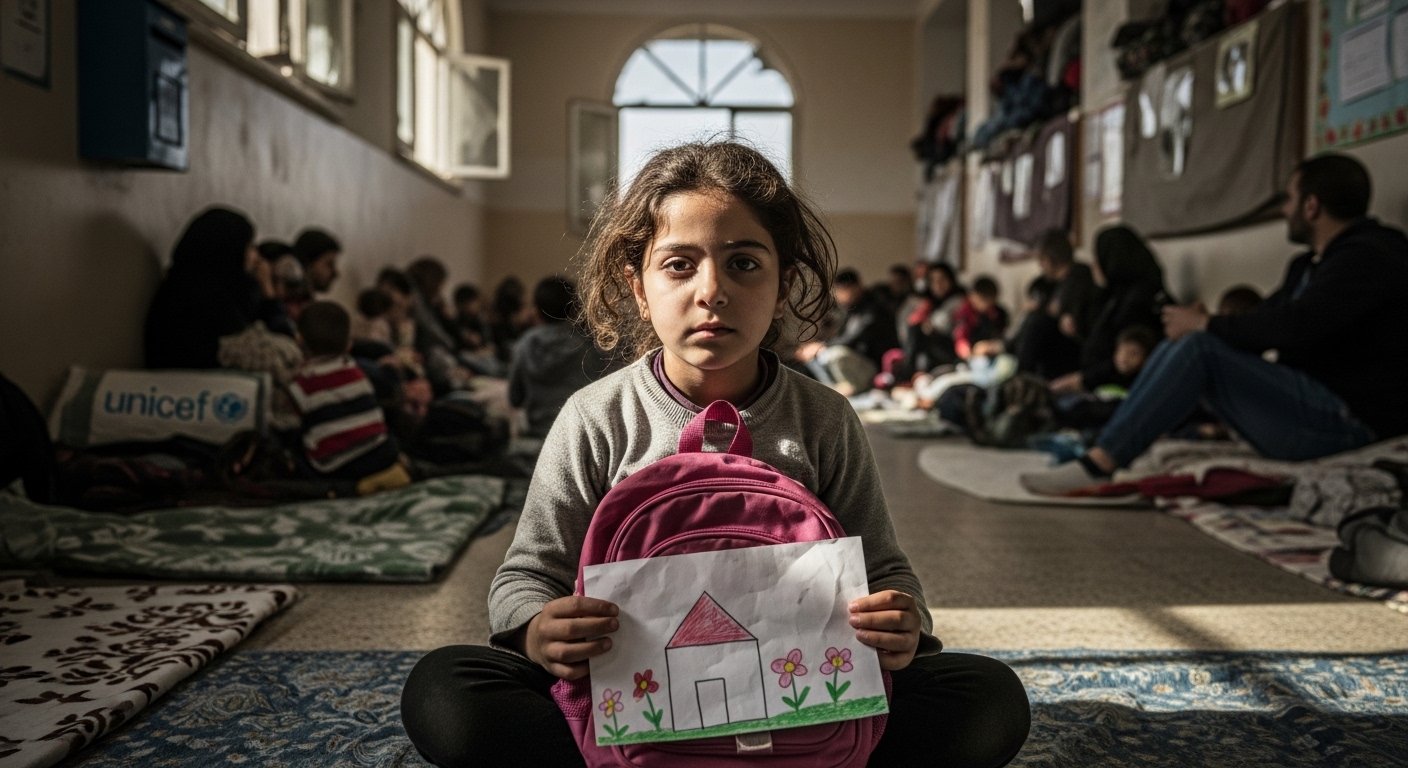
The young have been leaving for years. First it was the men, chasing daily wage work in the cities, sending money home in envelopes and later through mobile transfers that half the elders still don’t fully trust. Then it was entire families, drawn by schools with real classrooms and hospitals with real doctors. The village school here has one teacher for five grades. The nearest clinic is an hour away by a shared van that may or may not come.
Ask Abdul Sattar, who has farmed the same three acres for fifty-one years, what has changed, and he does not talk about phones or roads first. He talks about silence. “The fields used to be loud,” he says, describing evenings once filled with children’s games and the calls of families gathering for dinner. “Now half the houses only open their doors for weddings and funerals.”
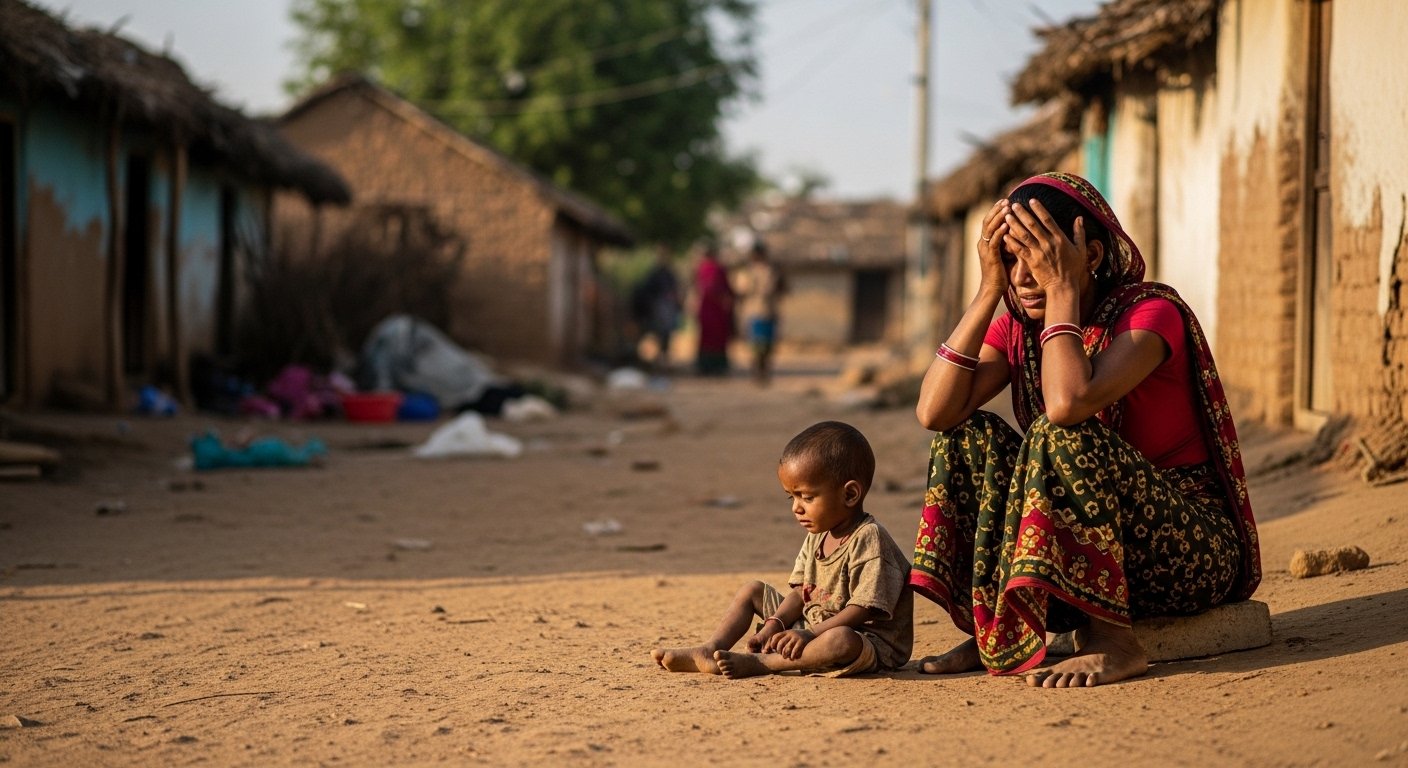
There is real grief in that. Villages like this one are aging in a way that cities rarely have to reckon with – not gently, but by subtraction, one departure at a time. Drought years have made farming less reliable. Debt has crept into households that once measured wealth in grain stores, not bank ledgers. Nobody here would call this an easy place to stay. And yet, they stay. Or they come back.
The Tree That Would Not Move
At the center of the village stands an old banyan tree, its roots thick and knotted, spreading wider than most of the houses around it. Nobody knows exactly how old it is. The eldest resident, a woman well past ninety, says it was already ancient when she was a girl, already shading the same patch of earth, already the place where the village gathered to settle disputes, arrange marriages, mourn its dead, and celebrate its harvests.
Everything else has moved. The young left for the cities. The old radio that once brought the only outside news to the village broke decades ago and was never replaced. Even the well Rasheeda Bibi walks to every morning has been rebuilt twice. But the tree has not moved, and neither has what it represents – a place, however small and however forgotten, that people still return to, still repair, still choose.
Under that tree today, something is happening that outsiders might find surprising. A handful of young people who left for the city are trickling back. Not in large numbers – a few families here, a returning graduate there – but enough to notice. Some come back because city life did not deliver what it promised. Others come back with new ideas: a small poultry cooperative, a WhatsApp group connecting local farmers directly to buyers in the city, cutting out the middlemen who used to take the largest share of every harvest.
None of this is a miracle turnaround. The village is not suddenly thriving. But it is not disappearing either, and in a place that has watched decades of steady departure, simply not disappearing is its own quiet form of victory.
Hope, Measured in Small Things
Hope in this village does not look like optimism. Nobody here speaks in grand terms about the future. It looks smaller and more stubborn than that.
It looks like the village women who still gather every evening to sit together outside their homes, exchanging news and complaints and laughter, refusing to let distance and hardship turn them into strangers. It looks like the mosque that gets a fresh coat of whitewash every year, paid for through small contributions from families who can barely afford it, because a village without a well-kept mosque feels, to them, like a village that has given up. It looks like grandparents teaching grandchildren the old songs, the ones nobody writes down, because if no one sings them, they vanish completely.
It looks like Rasheeda Bibi walking to the well each morning, not because there is no other way to get water – a hand pump was installed near her home two years ago – but because the walk itself, the greeting of neighbors along the way, the pause under the banyan tree, is a thread she is not willing to cut. “The pump is faster,” she admits, almost apologetically. “But the well is where I hear how everyone is doing.”
That, more than anything, is the story of this village. The world outside changed at a pace few could have imagined – faster communication, faster travel, faster everything. This village changed too, slowly and unevenly, absorbing what it could and letting go of what it had to. But it never let go of itself. It never stopped choosing the tree over the empty lot, the walk over the shortcut, the neighbor’s greeting over the notification on a screen.
A Village, and a Question
Maybe that is what makes a place worth writing about – not the roads it lacks or the signal it struggles to catch, but the fact that after everything, its people still choose to stay rooted, still choose each other, still choose hope over the easier option of giving in.
As the sun climbs fully over the hills now, Rasheeda Bibi sets her filled pot down for a moment to rest her arm, standing in the shade of the old banyan tree. Somewhere in the distance, a motorbike passes on the cracked road, carrying someone toward the city and everything it promises. She watches it go, then picks up her pot and turns back toward home.
The world changed. It is still changing, every single day, somewhere just beyond these hills. But here, under this tree, beside this well, something quieter has held its ground – not because change never arrived, but because this village decided, over and over again, not to let go of what mattered most. Perhaps the real question is not why this village never gave up hope. Perhaps it is why the rest of us so often do.