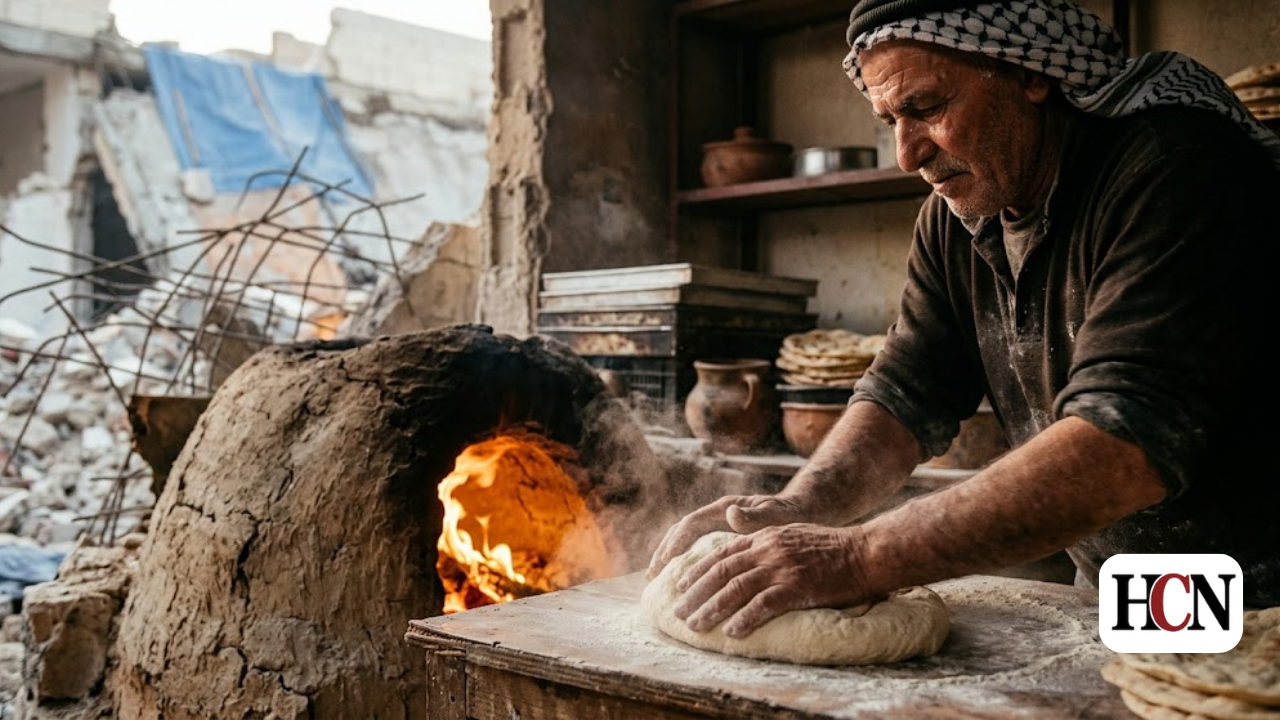
In this Gaza bakery, the call to prayer has not even finished when the oven fire is lit. Smoke rises through walls that are more rubble than structure, and with it comes a smell that, on any ordinary day, would mean nothing at all. In Gaza, it means everything. It means someone is still here. Someone still has flour. Someone still lit the fire.
Bread has stopped being just bread here. It has become a message – that today, somewhere in the wreckage, hope is still being kneaded by hand.
While the Rest of the World Moved On
For most of the world, morning means a phone lighting up with notifications, a cup of tea, children rushing to catch a school bus. Life moves forward without anyone pausing to wonder if food will be there today.
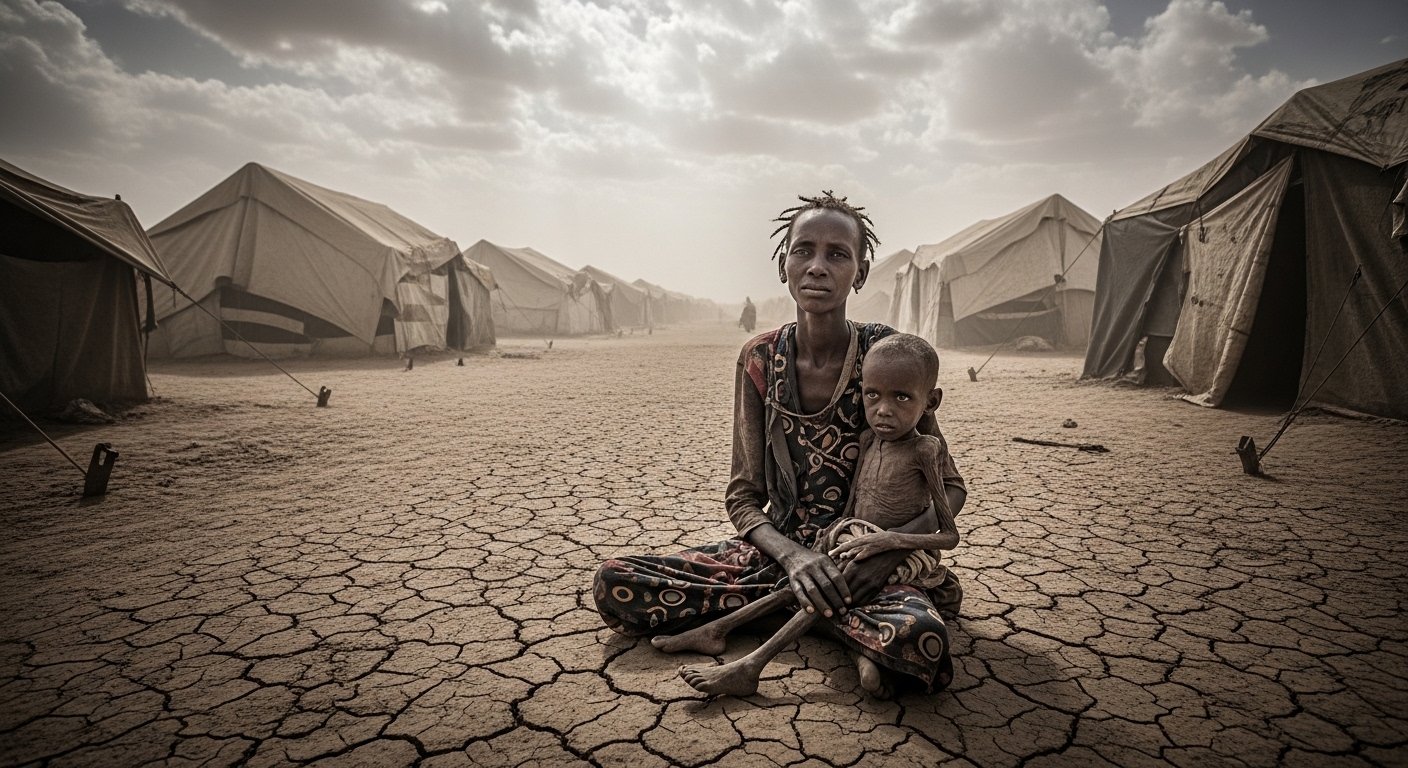
In Gaza, morning means something else entirely. It means another day of searching – for water, for flour, for a place in the bread line that often begins forming before sunrise. According to recent assessments by the World Food Programme, roughly 77 percent of Gaza’s population – well over a million people, including children, the elderly, and pregnant women – is facing severe food insecurity.
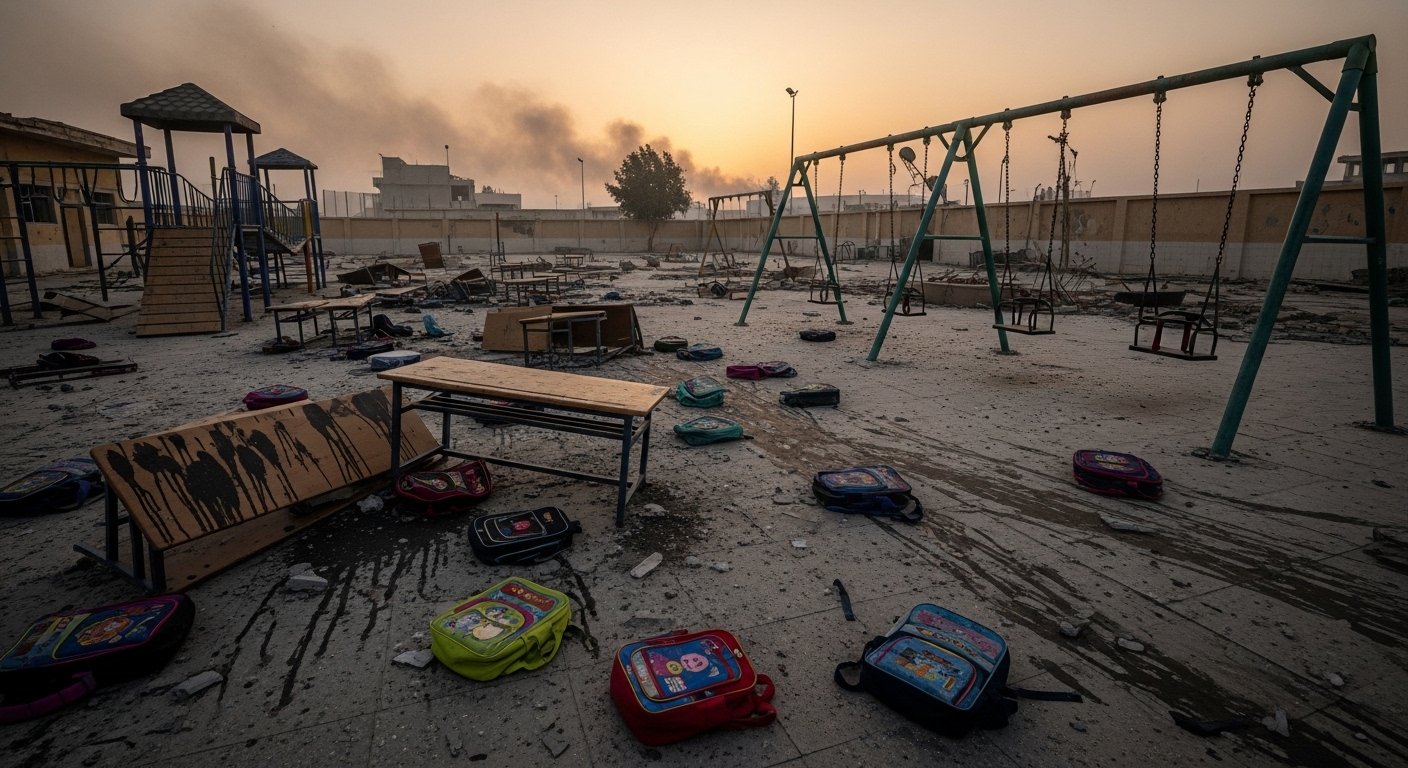
The war left most bakeries in ruins. The ones that survived have opened and closed again and again – sometimes for lack of flour, sometimes because border crossings shut, sometimes because there was no fuel left to burn. At one point, roughly thirty bakeries operated across the Strip with humanitarian support. During the worst months of blockade and restriction, that number fell to a handful.
The Bakery That Refused to Stop
In the middle of all this, some bakeries refused to give up. Owners rebuilt broken machinery by hand, piecing together whatever parts survived the airstrikes. One bakery owner, describing his salvaged equipment, said simply that nothing inside was new – everything had been repaired, patched, coaxed back to life.
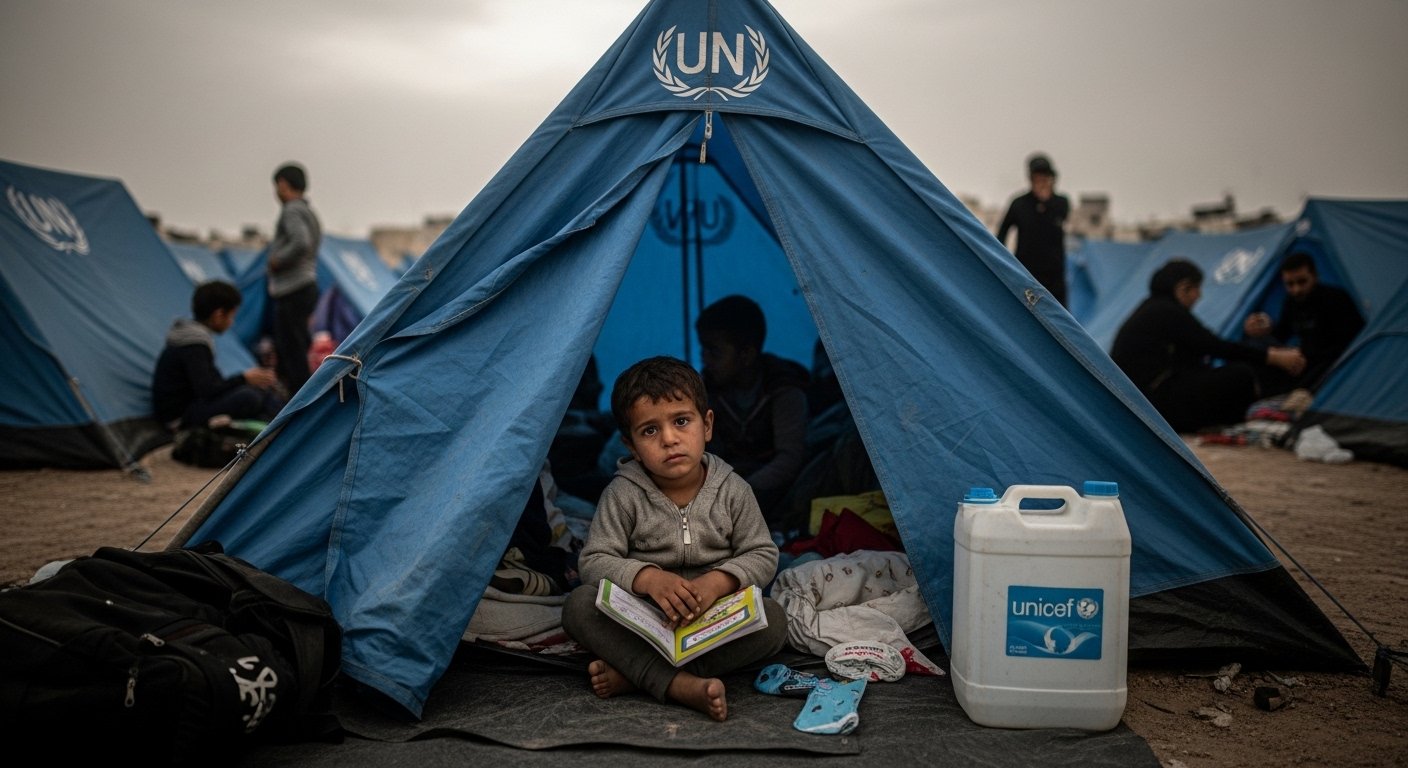
When a ceasefire allowed some crossings to reopen, aid organizations began delivering more than a hundred thousand bread packages a day to displaced families sheltering in tents and half-standing buildings. A World Food Programme official described that moment in words that have stayed with people since: the smell of fresh bread, he said, is the smell of hope.
It is not an exaggeration once you see the lines that form for it. In Khan Younis, one man described standing in the queue since six in the morning, just to buy a single bundle of bread. In Deir al-Balah, a young man waiting alongside his pregnant wife called the fresh bread nothing short of a miracle – an ordinary thing that, after months of hardship, no longer felt ordinary at all.
Flour, Fire, and Hands That Don’t Stop
Behind these bakeries are people who are living through the same crisis they are trying to ease. Many of the workers kneading dough each morning are displaced themselves – without homes, without certainty, often grieving losses of their own. And yet they light the fire anyway, because they know the people waiting outside are not only there for bread. They are there for something that still feels like a normal day.
During Ramadan and other difficult stretches, international aid groups have launched initiatives sometimes called “Hope Bakeries” — projects meant not just to distribute bread, but to give displaced community members work and purpose. One aid worker involved in such a project put it plainly: the bakery isn’t only about food. It is about giving families a sense of stability in a time when almost nothing else feels stable.
That stability shows up in small, quiet ways. A child who comes at the same time every day with his mother, because it is the one certain part of his day. An elderly woman who splits her loaf in half to share with a neighbor, because even amid the rubble, sharing has not gone out of practice. A young father in line who tells his child the bread is coming, as though the promise still means something – because for him, it does.
The Ceasefire and the Fragile Return of Normalcy
When a ceasefire took hold after more than two years of war, something shifted – not everywhere, and not all at once, but enough to notice. Bakeries that had gone silent for weeks began firing up their ovens again. Trucks loaded with flour started arriving at border crossings before dawn, and aid workers described a scene that had felt unimaginable only months earlier: dozens of bakeries reopening across the Strip, restoring a small piece of what daily life once looked like.
It would be easy to mistake this for a happy ending. It is not. A ceasefire does not rebuild a bakery that took a direct hit. It does not replace an oven that has no spare parts left to repair it, or bring back the flour mills that no longer exist. Aid organizations have been candid about this – even with borders open and trucks moving, the number of working bakeries remains a fraction of what the Strip needs, and shortages of fuel, wheat, and clean water continue to slow everything down.
Still, for families who had gone without fresh bread for weeks or months, even this fragile return meant something. Aid workers on the ground have described handing out warm flatbread to people who hadn’t seen bread with steam still rising off it in longer than they could remember. For some, it was the first meal in days that didn’t come from a tin can or a ration bag. Small, ordinary, and yet enormous.
When Everything Else Stops, the Oven Doesn’t
This is not a story with a tidy, comforting ending. Hunger, fear, and loss here are real and ongoing. Many bakeries have shut down again. Others wait, uncertain if they will reopen. Millions of people still do not know, from one day to the next, whether their share of bread will arrive.
No report and no article can fully capture what it means for a parent to watch a child go to sleep hungry. But in the middle of that pain, the oven that gets relit every single morning carries its own quiet message – that giving up is not, yet, the answer. That somewhere, someone is still rising before dawn to knead flour into dough, believing that today, too, bread will reach someone’s home.
Bread, once the most ordinary thing in the world, has become one of the most precious. With every loaf handed across a counter or through a fence, an unspoken message travels with it: you are not alone. We are still here. We have not given up.
A Final Thought
Perhaps this is the lesson Gaza’s bakeries offer the rest of the world – that hope rarely announces itself with grand gestures. It lives in an oven relit amid the rubble. It lives in a line that reforms every morning, no matter how long the wait. It lives in hands that, exhausted as they are, keep kneading dough anyway.
As long as that smell still drifts through Gaza’s streets, this story is not over. Because with every fresh loaf, someone is quietly telling the world: I am still alive. I am still here. And I have not stopped hoping.