Children killed Iran war 2026 is one of the most urgent humanitarian crises of 2026. Since the US–Iran conflict began on February 28, 2026, UNICEF warns that 87 children are killed or injured every single day in the Middle East. This means one child every 16 minutes faces trauma, injury, or death. The human cost is real, horrifying, and preventable.
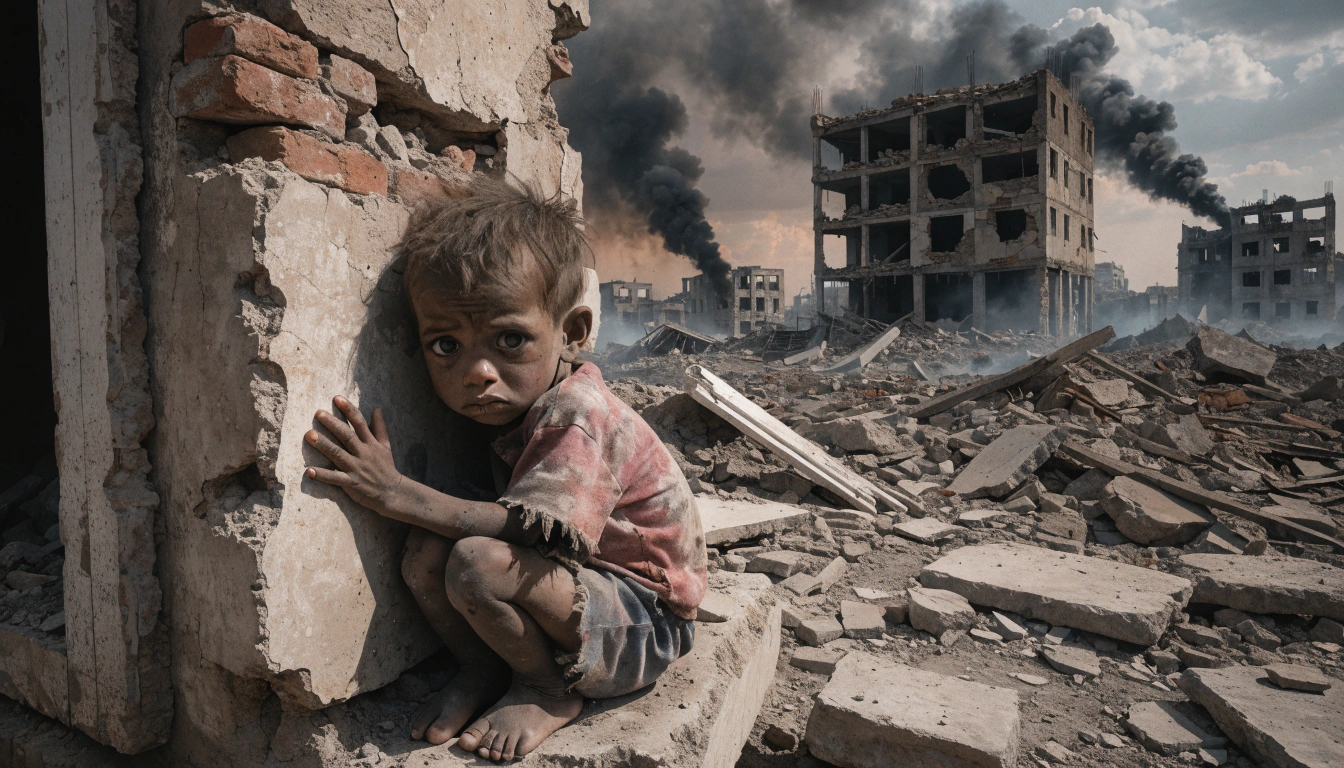
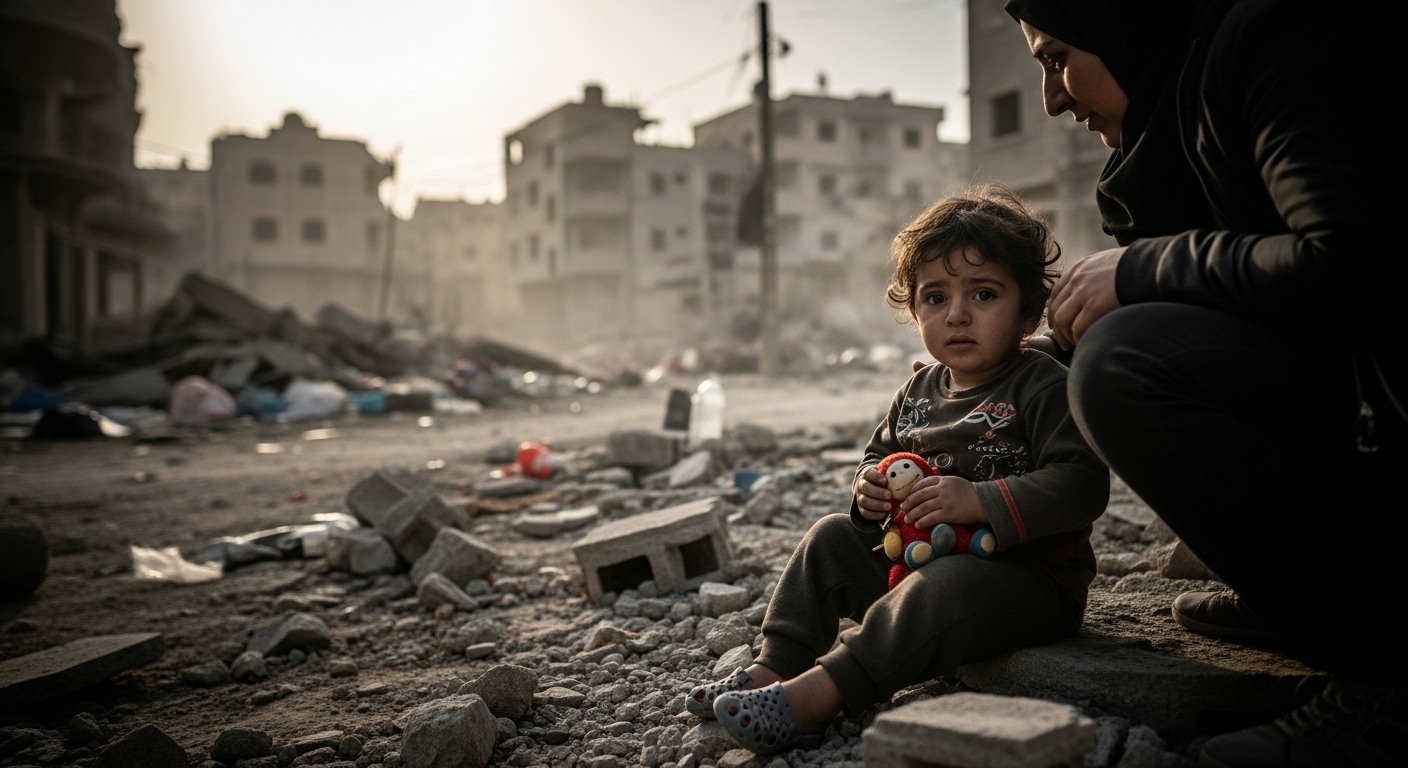
Five‑year‑old Mira used to go to kindergarten in Beirut. She loved singing, drawing, and eating chocolate after school. Her life was simple, and her world felt safe. Then Operation Epic Fury started. Airstrikes hit her neighborhood, buildings collapsed, and families fled in panic. Now Mira lives in a school‑turned‑shelter, where her laughter is gone and her toys are broken.
Now, Mira lives in a school that has been turned into a shelter. Her favorite toys are broken, and her laughter has disappeared. She sits quietly, holding her little brother’s hand tightly, afraid to let go. Every day, she hears stories of more children killed or injured in Iran, Lebanon, and across the Middle East. Since the war began, 87 children have been killed or injured every single day – that is one child every 16 minutes, 24 hours a day. The UNICEF emergency warning makes it clear: this is not a temporary spike; it is the beginning of a deepening crisis for children worldwide.
What Is Really Happening – And Why the World Must Pay Attention
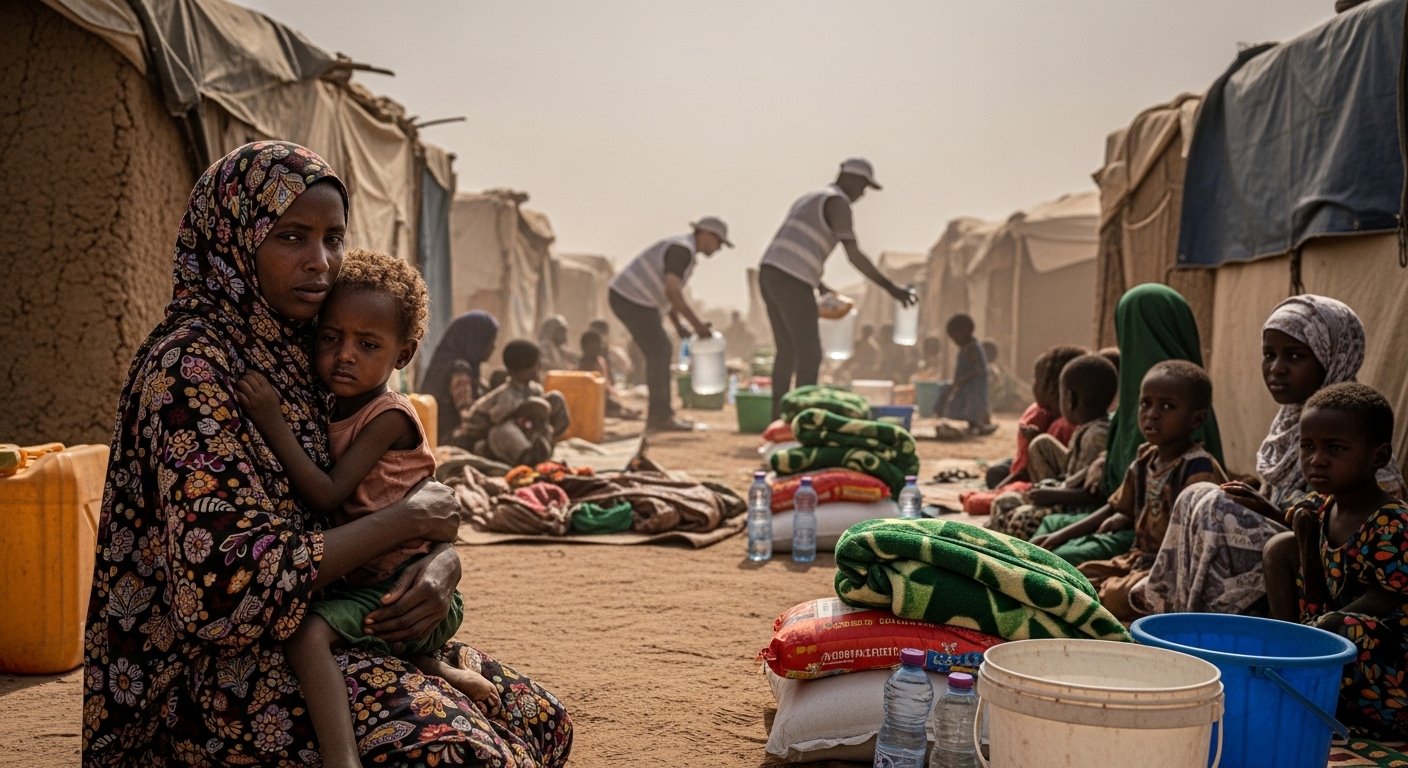
The situation on the ground is moving faster than most people realize. Since late February, over 2,100 children have been killed or injured in the US–Iran conflict, including 206 in Iran and 118 in Lebanon. As the war spreads, more families are forced to leave their homes, and schools are being used as shelters because there is nowhere else safe to go. In one wave of attacks, 29,000 people, including 9,000 children, were displaced in a single day. Emergency responders are overwhelmed, and basic supplies like food, water, and medicine are running out.
UNICEF has repeatedly warned that the humanitarian system is struggling to keep up. Shelter‑schools are overcrowded, and medical care is limited. At the same time, the global need for child protection is at an all‑time high, with over 200 million children across 133 countries requiring humanitarian assistance. What makes 2026 different is that the war is directly targeting civilian areas, hospitals, and schools, creating a crisis where children are the first and often the worst affected. Without urgent global attention, the situation will only get worse.
The Numbers That Should Shock Every American
The statistics are staggering, and they are deeply personal. Since the US launched Operation Epic Fury, 87 children are killed or injured every single day in this war. That is one child every 16 minutes. Over the course of a month, this adds up to nearly 2,100 children – a number equivalent to the entire child population of a small American city wiped out, injured, or traumatized. In Lebanon alone, 118 children have died, and countless others are injured. In Iran, 206 children have been killed. These are not just abstract figures; they represent real families, homes, and futures destroyed.
The United States is directly involved in this conflict. Bombers, missiles, and military aid are being deployed, and US taxpayers are funding billions of dollars in support to allied forces. Every American is, in some way, connected to the outcomes being seen on the ground. Beyond the numbers, the humanitarian cost is severe. Schools and hospitals are damaged or destroyed, and children are losing access to basic needs like education, food, and safety. When you understand that 9,000 children were displaced in a single day, it becomes clear that this crisis is not distant or rare – it is happening right now, and it is directly tied to decisions made in Washington.
Why This Crisis Is Getting Worse in 2026
Multiple factors are pushing the crisis deeper. First, political and military decisions are increasing the number of child casualties. The war is concentrating on urban areas, where children live and go to school. Shelters, homes, and hospitals are being attacked, which puts innocent civilians at the highest risk. Second, humanitarian funding is falling short. UNICEF and other agencies do not have enough money, supplies, or people to meet the rising need. Third, winter and environmental conditions are making life harder for refugees. People lack proper shelter, heating, and clean water, which increases the risk of disease and malnutrition.
At the same time, global attention is focused elsewhere – on other conflicts, politics, and media stories. This means less pressure on governments to stop the violence or increase aid. Experts warn that every day of delay adds to the number of children killed or injured. As Ted Chaiban of UNICEF said, the scale of need is growing faster than available resources. If this pattern continues, the number of child casualties in 2026 could double, and the crisis will become even harder to manage.
The Story America Is Not Hearing – A Family’s Nightmare
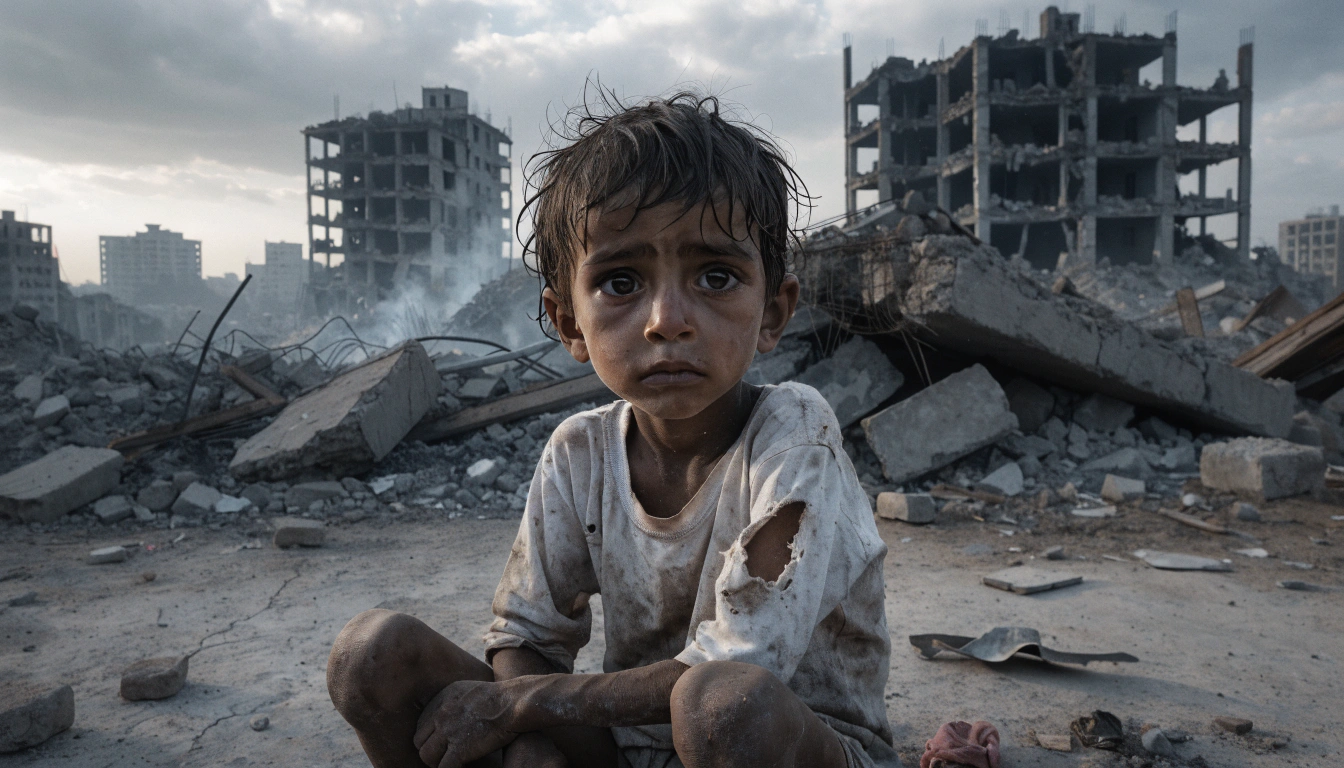
Seven‑year‑old Hassan lives in northern Iran. Before the war, his life was ordinary. He went to school, played soccer, and drew pictures of airplanes with his older brother. His parents worked, and the family looked forward to simple, everyday joys. After the airstrikes began, his neighborhood was hit, and his school became a shelter. During one air raid, the building was struck, and his best friend was killed. Hassan survived with minor physical injuries, but deep emotional scars have stayed with him.
Now, his family is constantly on the move, jumping from one shelter to another with very little. Nights are filled with fear and uncertainty. His mother cries quietly, and his father feels helpless, unsure where to find enough food or safety for his children. This is not an isolated story. Across Iran and Lebanon, thousands of families are living similar nightmares. Children are losing their homes, schools, and friends. They are growing up surrounded by explosions, fear, and grief. These stories are rarely shown on mainstream TV, which means many Americans do not see the true human cost behind the numbers.
America’s Role – The Part That Is Hard to Say Out Loud
The United States launched Operation Epic Fury on February 28, 2026, and its military actions are directly linked to the rising child casualties. Bombers, missiles, and coordination with allied forces are hitting areas where civilians live, including schools and shelters. US taxpayer money funds billions of dollars in military aid, and some of that support is connected to the strikes that have killed or injured children in Lebanon and other regions. This means that each American is financially and morally connected to what is happening on the ground.
At the same time, US foreign policy and weapons sales shape the conflict. The country sends advanced weapons and political support to partners in the region, which increases the scale and intensity of the fighting. While this is often framed as “national security” or “strategic interest,” the real cost is being paid by children like Mira and Hassan. The conflict is not just a distant geopolitical issue. It is a life‑and‑death situation for real families, and the decisions made in Washington have a direct impact on whether more children live or die.
Where the System Has Completely Failed
The international system that is supposed to protect children in war is not working. The United Nations condemns attacks, but it cannot enforce ceasefires or stop bombs from falling. Aid agencies are overwhelmed, and their resources are stretched too thin to meet the massive need. Safe corridors for children and families are delayed or blocked by political disputes, and some governments do not have the capacity to respond quickly.
UNICEF has reached 151,000 displaced people across more than 250 shelters, but even that number is far below what is needed. Overcrowding, lack of food, and limited medical services are common. Aid workers report that they know where the most vulnerable children are, but bureaucracy, funding gaps, and politics stop them from delivering help in time. This is not a failure of one person or one organization. It is a systemic failure that leaves children exposed to violence, hunger, and trauma every single day.
Children Paying the Highest Price
Children are the most vulnerable in any war, and this conflict is no exception. In Iran and Lebanon, more than 300 children have already been killed or injured since February 28, 2026. On average, 87 children are harmed every single day. Many others are suffering from psychological trauma, malnutrition, or lack of basic care. Schools are being used as shelters or have been destroyed, and millions of children are losing their education and normal routine.
Psychological damage to children is a major long‑term problem. Many suffer from nightmares, anxiety, depression, and fear of going outside. They see their parents crying, their homes ruined, and their friends gone. The stress of war can change the way their minds develop, affecting their future health, learning, and relationships. Experts warn that if this continues, an entire generation of children in the region could grow up with deep scars and lost opportunities. The price of this war is being paid most by the youngest and least protected.
Why Every American Family Should Care About This
This crisis is not happening in a far‑away world that has nothing to do with Americans. US military actions, policy decisions, and financial aid are directly linked to the 87 children killed or injured every day. The war is affecting global stability, migration, and security, and it can indirectly impact the United States as well. If large numbers of refugees flee the region, countries in Europe and beyond will feel the pressure, and the US may face new security and humanitarian challenges.
Beyond politics, this is a moral issue. Images of children dying while parents watch helplessly challenge the idea of protecting human rights and child safety. If a similar situation happened in an American city, leaders and citizens would demand immediate action. The same level of urgency and awareness is needed for children in Iran and Lebanon. American families can make a difference by learning about the crisis, speaking about it, and supporting humanitarian efforts that help protect children caught in the war.
What the UK and Canada Are Doing – And What They Are Not
The United Kingdom and Canada have publicly condemned the attacks and called for peace. Both governments provide humanitarian aid to help refugees and affected families. However, this assistance is not enough to match the scale of the crisis. At the same time, neither country has completely stopped selling weapons or cutting all military support linked to the conflict. This means that some level of support for the war continues, even as they talk about peace.
Diaspora communities from the Middle East in the UK and Canada are urging their governments to do more. They demand safe evacuation corridors, more emergency funding for children, and stronger diplomatic pressure on the sides involved. The gap between what children need and what they are getting shows a global failure. If citizens in these countries speak loudly and push for change, their governments can increase aid and help stop the violence that is hurting children so badly.
What Experts Are Warning Will Happen Next
Experts are warning that the situation can escalate quickly if no strong action is taken. The number of children killed or injured every day could double if the war continues at the same pace. Damaged infrastructure, destroyed schools, and crowded shelters will make life even harder for families trying to survive. Long‑term, experts fear a lost generation of children who grow up without proper education, mental health support, or a sense of safety.
UNICEF officials, like Ted Chaiban, stress that the crisis is deepening and that the window to prevent worse outcomes is closing. If countries do not increase humanitarian aid, push for ceasefires, and protect children, the situation will become even more catastrophic. Delay is not neutral; it is an active choice that leads to more suffering and more death. The world already knows the risks. The question is whether leaders and citizens will finally act before it is too late.
Why the Media Is Not Showing You the Full Picture
Most mainstream news coverage of the war focuses on politics, military strategy, and geopolitics. Headlines talk about bombs, casualties, and negotiations, but they rarely show the daily life of children in shelters, destroyed schools, or hospitals. As a result, many people see the conflict as an abstract political issue rather than a human tragedy involving real families. The under‑reporting of child casualties makes it easier for the public to ignore the crisis.
When the world is distracted by other events, stories of children killed or injured every day are pushed to the background. This lack of attention reduces pressure on governments and organizations to act quickly and seriously. Journalists and ordinary people can change this by sharing real stories, photos, and videos that show the human side of the war. If more people see the faces of children like Mira and Hassan, the chances of real change will increase. Silence helps the war continue; awareness can help stop it.
What Can Be Done – And What YOU Can Do Right Now
Stopping the war entirely is a job for governments, but ordinary people can still make a powerful difference. Humanitarian agencies like UNICEF, Save the Children, and the International Rescue Committee need more funding and support to help children in shelters, schools, and hospitals. Donating, even modest amounts, can help provide food, medicine, and supplies to children in desperate need. Signing petitions and contacting elected leaders can also push governments to increase aid and pressure for ceasefires.
At a personal level, people can talk about the crisis with friends, family, and on social media. Educating others about the real impact on children helps build public awareness. Schools and communities can organize events or campaigns to support refugee families or raise funds for aid groups. Awareness, advocacy, and funding can all save lives. Every small action adds up when many people participate.
Conclusion: The Choice We Face Today
Mira sits quietly in the shelter in Beirut, holding her little brother’s hand. Her toys are broken, and her smile is gone. The world around her is filled with fear and uncertainty. Across the region, thousands of children are living in the same situation — bombed homes, overcrowded shelters, and constant fear of the next attack. Since February 28, 2026, 87 children have been killed or injured every single day. This is not a prediction. It is the present reality.
HumanCrisisNews – Voice of the World asks a simple question:
Will the world choose to act, or will it continue to watch in silence while more children fall?