Sudan is facing a catastrophic humanitarian crisis in 2026, and millions of innocent people are paying the price for a war they never started and cannot stop. Families are losing homes, children are starving, hospitals are collapsing, and women are facing extreme danger every single day. More than 33 million people need urgent help, yet the crisis is still receiving far less attention than it deserves.
What is happening in Sudan is not just another conflict story. It is a story of hunger, displacement, disease, fear, and survival. Entire communities are struggling to find food, clean water, medicine, and shelter while violence continues to destroy lives. The worst part is that this suffering is not hidden. It is happening in plain sight while the world watches too quietly. That is why Sudan demands urgent attention now.
What Is Happening in Sudan Right Now
Sudan is trapped in one of the worst humanitarian emergencies on the planet, and the crisis is growing more severe with each passing month. The war between the Sudanese Armed Forces and the Rapid Support Forces turned a political power struggle into a national disaster. Cities were torn apart, neighborhoods were destroyed, and people were forced to flee with almost nothing. Markets shut down, schools closed, hospitals were damaged, and the systems that keep normal life going began to collapse. What remained was a country where survival became harder every day.
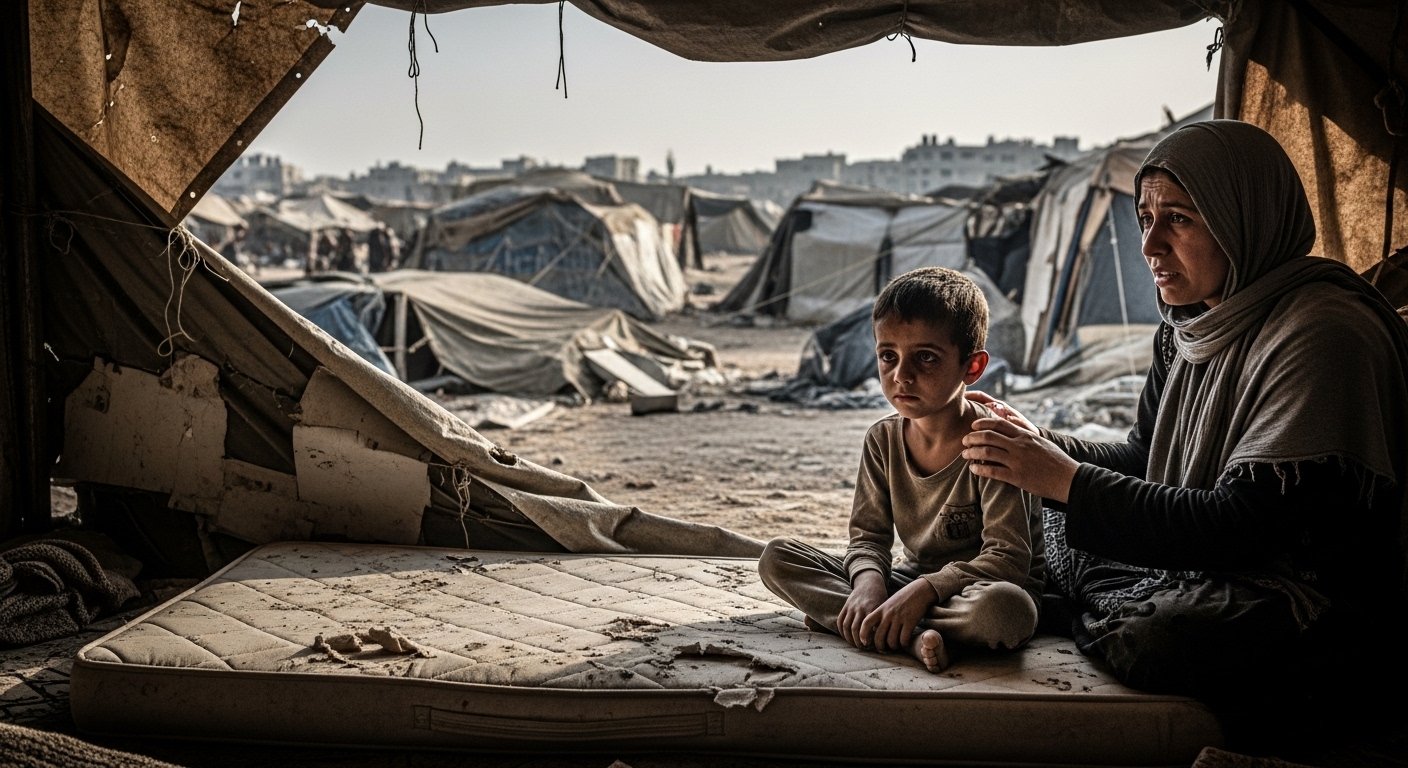
The scale of suffering is enormous. Millions of people have been displaced inside Sudan and across borders into neighboring countries. Families have been separated for months or even years. Many people move from one unsafe place to another, hoping to find food, shelter, or medical care. Instead of peace, they find more uncertainty. Sudan is no longer just a country affected by war. It is a country where war has consumed nearly every part of daily life.
How the War Started and Why It Escalated
The current crisis began in April 2023, but Sudan’s fragility did not begin there. For years, the country had already struggled with poverty, political instability, and earlier conflicts. When the conflict between the Sudanese Armed Forces and the Rapid Support Forces exploded into open war, those weak foundations collapsed even faster. What many hoped would be a short crisis turned into a long and destructive conflict with no clear end.
The war spread quickly because both sides had weapons, resources, and control over different parts of the country. As the fighting intensified, civilian areas became battlegrounds. Homes were bombed, roads were cut off, and entire regions were left without reliable state support. In many places, the destruction did not stop with the fighting. It spread into food systems, water systems, schools, and hospitals. That is what makes Sudan’s crisis so severe. The war did not only create danger. It destroyed the structures people depended on to survive.
Hunger, Famine, and Food Insecurity
Hunger is now one of the most dangerous realities in Sudan. Millions of people are facing severe food insecurity, and in some areas famine has already been confirmed. This is not because food does not exist anywhere in the world. It is because war has destroyed the systems that grow, move, and deliver it. Farms have been disrupted, markets have collapsed, aid is blocked, and families have lost the money they need to buy even the most basic food.
For many households, survival means eating less every day. Parents often skip meals so their children can eat something. Families sell their belongings, including tools and animals, just to buy food for a short time. In some homes, people are surviving on a single small meal, or on whatever they can find after long hours of searching. The crisis is not only about hunger itself. It is about the slow destruction of dignity, security, and hope.
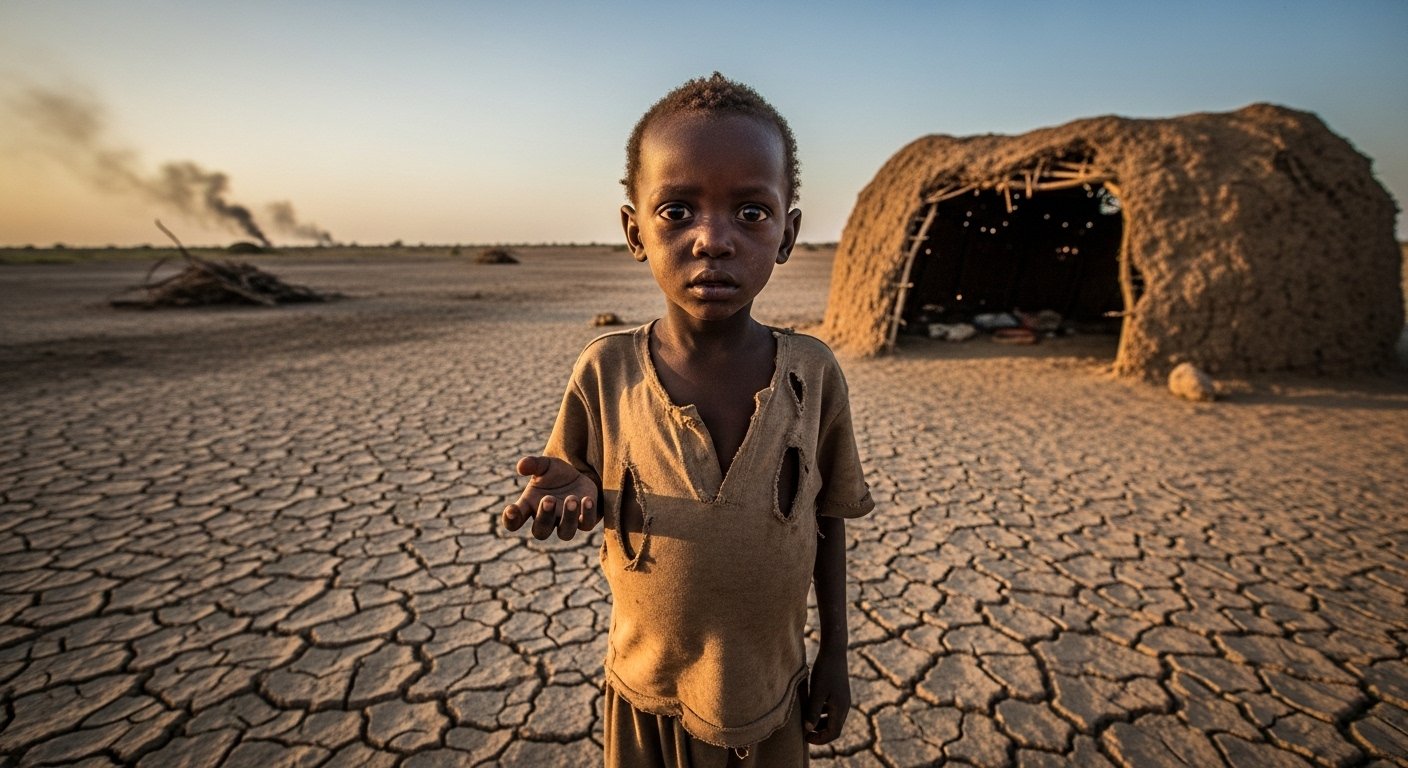
Children are hit especially hard when food becomes scarce. Their bodies need more nourishment than adults, but they are the least able to cope with shortages. Malnutrition weakens their immune systems, slows development, and increases the risk of death from diseases that would normally be treatable. When famine and conflict happen together, the impact is especially cruel.
Why Sudan’s Children Are Suffering the Most
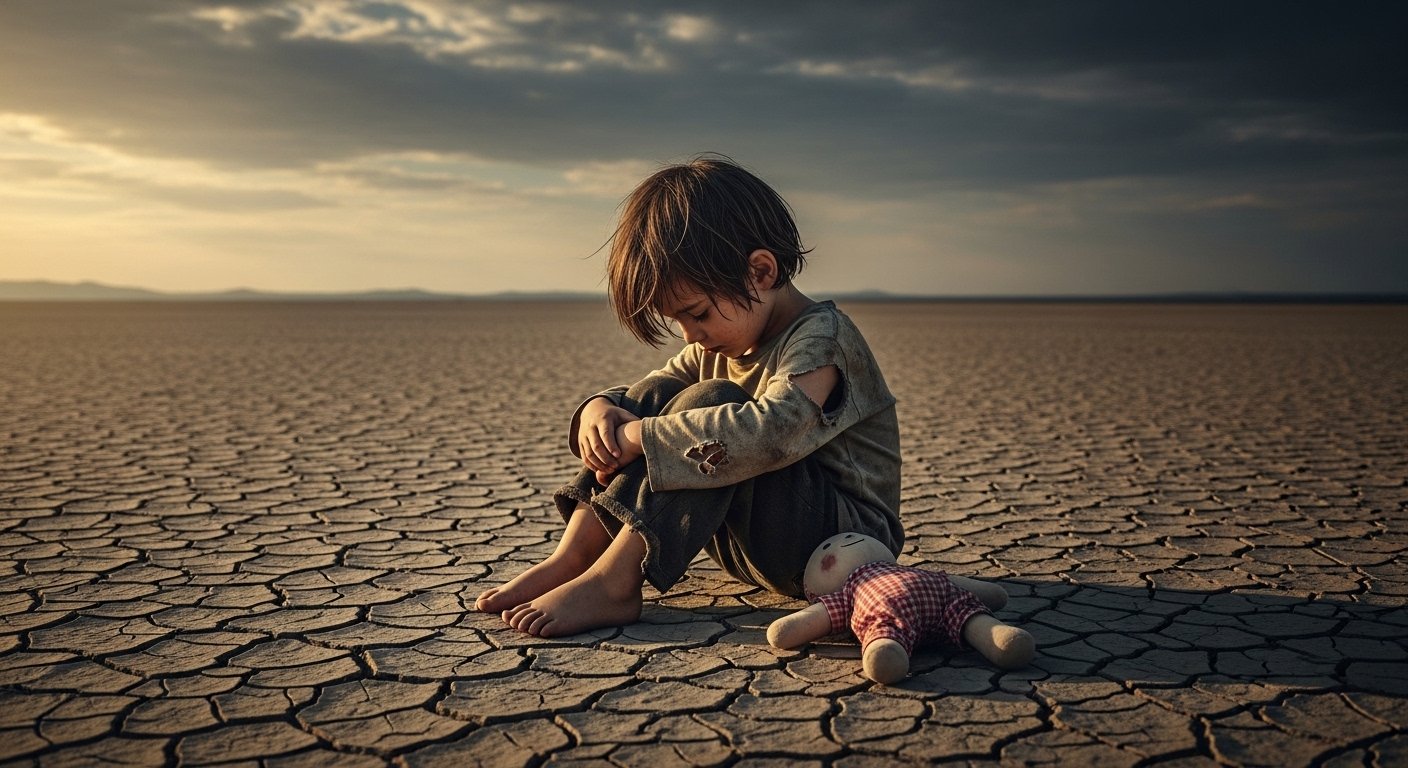
Children are paying the highest price in Sudan’s war. They are not responsible for the conflict, yet they are the ones losing their homes, their schools, their safety, and in too many cases, their lives. Many children have been displaced multiple times. Some have crossed into neighboring countries. Others are trapped in areas where fighting, hunger, and disease are all present at once.
Malnutrition is one of the biggest threats to children in Sudan. When a child does not get enough food for a long time, the effects can last for life. Growth is delayed, learning becomes harder, and the body becomes too weak to fight off illness. In some places, children are arriving at feeding centers in dangerously weak condition, unable to stand properly or even reach for food on their own. These are not rare stories. They are becoming all too common.
Education has also collapsed for many children. Schools have been destroyed, damaged, or turned into shelters for displaced families. Teachers have fled, and many children have not had regular lessons for months or longer. That means Sudan is not only losing lives today. It is also losing the chance to protect the future of a generation.
Health System Collapse and Disease Outbreaks
Sudan’s health system has been pushed close to collapse. Hospitals and clinics have been damaged, medical staff have been forced to flee, and many health facilities are simply no longer functioning. In some places, even if a person reaches a clinic, there may be no medicine, no electricity, and no equipment available. That creates a terrifying situation where treatable conditions become deadly.
Disease outbreaks are spreading at the same time. Cholera, malaria, measles, dengue, and other infections are moving through communities where clean water is limited and sanitation systems have broken down. These diseases are especially dangerous in a war zone because people are already weak from hunger and stress. Mothers are giving birth without proper care, children are not getting routine treatment, and injured people often have nowhere to go. When a health system fails during war, the result is not only suffering. It is mass preventable death.
Women and Girls Facing the Harshest Risks
Women and girls are among the most vulnerable people in Sudan’s crisis. They face hunger, displacement, violence, and deep insecurity every day. In many cases, conflict-related sexual violence is being used as a weapon of war, making the situation even more horrific. For many women, simply trying to find food or water can expose them to danger.
Female-headed households are especially at risk. When a woman is trying to protect children and keep a household alive on her own, the pressure becomes overwhelming. She may have no income, no safe shelter, and no reliable support. Still, many women continue to fight for their families with extraordinary strength. They are not weak. They are carrying a burden that no one should have to carry.
Girls face serious risks too. Many lose access to education early, and some are forced into unsafe survival strategies as families struggle to cope. This affects not just their present, but their entire future. In Sudan, protecting women and girls is not optional. It is one of the most urgent parts of any humanitarian response.
Aid Blocked by Conflict and Delays
One of the most painful parts of the Sudan crisis is that help exists, but many people still cannot reach it. Humanitarian organizations are trying to deliver food, medicine, and emergency support, but access is extremely difficult. Fighting blocks roads, convoys are delayed, and in some places aid workers cannot operate safely. That means supplies sit waiting while people continue to starve.
This is not just a logistics problem. It is a life-and-death problem. Every delay matters when families are already at the edge of survival. In a crisis this severe, aid must move fast. But in Sudan, the opposite is too often true. The people who need help most are the hardest to reach, and that makes the crisis even more tragic.
Refugees and Displacement Across Borders
Sudan’s emergency does not stop at its borders. Millions of people have fled into neighboring countries, placing huge pressure on regions that were already struggling. Chad, South Sudan, Egypt, Ethiopia, Uganda, and the Central African Republic are among the countries receiving people escaping the war. Many of those who flee are women and children, and many arrive with no money, no documents, and no clear idea of what comes next.
This cross-border displacement creates another layer of crisis. Refugee camps become crowded, food and water run short, and host countries struggle to provide enough support. The longer the war continues, the more the regional emergency grows. Sudan’s suffering is now affecting a much wider area than Sudan alone.
Why the World Cannot Ignore Sudan Any Longer
Sudan is not a small crisis. It is one of the largest humanitarian emergencies on the planet. That alone should be enough to keep it in the global spotlight. But attention has been weak, inconsistent, and far too often distracted by other events. The result is that a massive human tragedy is unfolding while many people barely notice it.
The world cannot keep pretending that this is just another regional conflict. Sudan’s crisis is a test of global conscience. If millions of people can be left hungry, displaced, and unprotected while the world looks elsewhere, then the international response has failed in a very serious way. A crisis this large should never be allowed to become invisible.
What Needs to Happen Now
Sudan needs urgent humanitarian funding, safe access for aid workers, and stronger international pressure to protect civilians. Food, medicine, clean water, and shelter support must reach people fast, especially in the hardest-hit regions. Humanitarian agencies cannot solve everything on their own if funding remains too low and access remains blocked.
The world also needs to treat Sudan as a priority, not background noise. Governments, international organizations, and the media all have a role to play in keeping attention on the crisis. If the conflict continues without serious intervention, the suffering will deepen even more. But if aid is expanded and civilians are protected, many lives can still be saved.
Final Word
Sudan’s humanitarian crisis in 2026 is one of the darkest emergencies of our time. Millions of people are fighting to survive hunger, disease, violence, and displacement while the world’s attention remains too limited. Children are starving. Hospitals are failing. Women are suffering. Families are breaking apart. And yet hope still matters, because help can still make a difference.
Sudan is not beyond saving, but it cannot be saved by silence. It needs action, funding, pressure, and sustained attention. The people of Sudan deserve more than sympathy. They deserve a real response from the world before even more lives are lost.