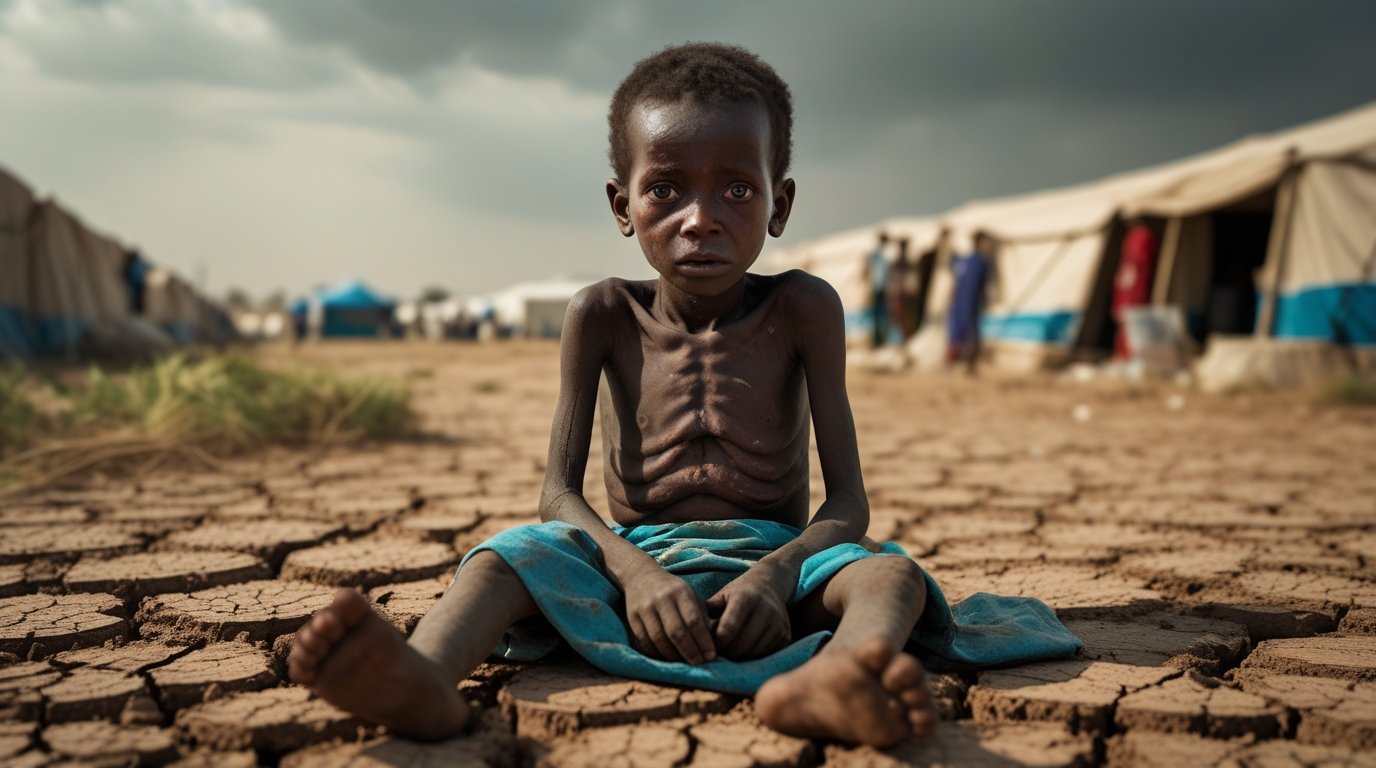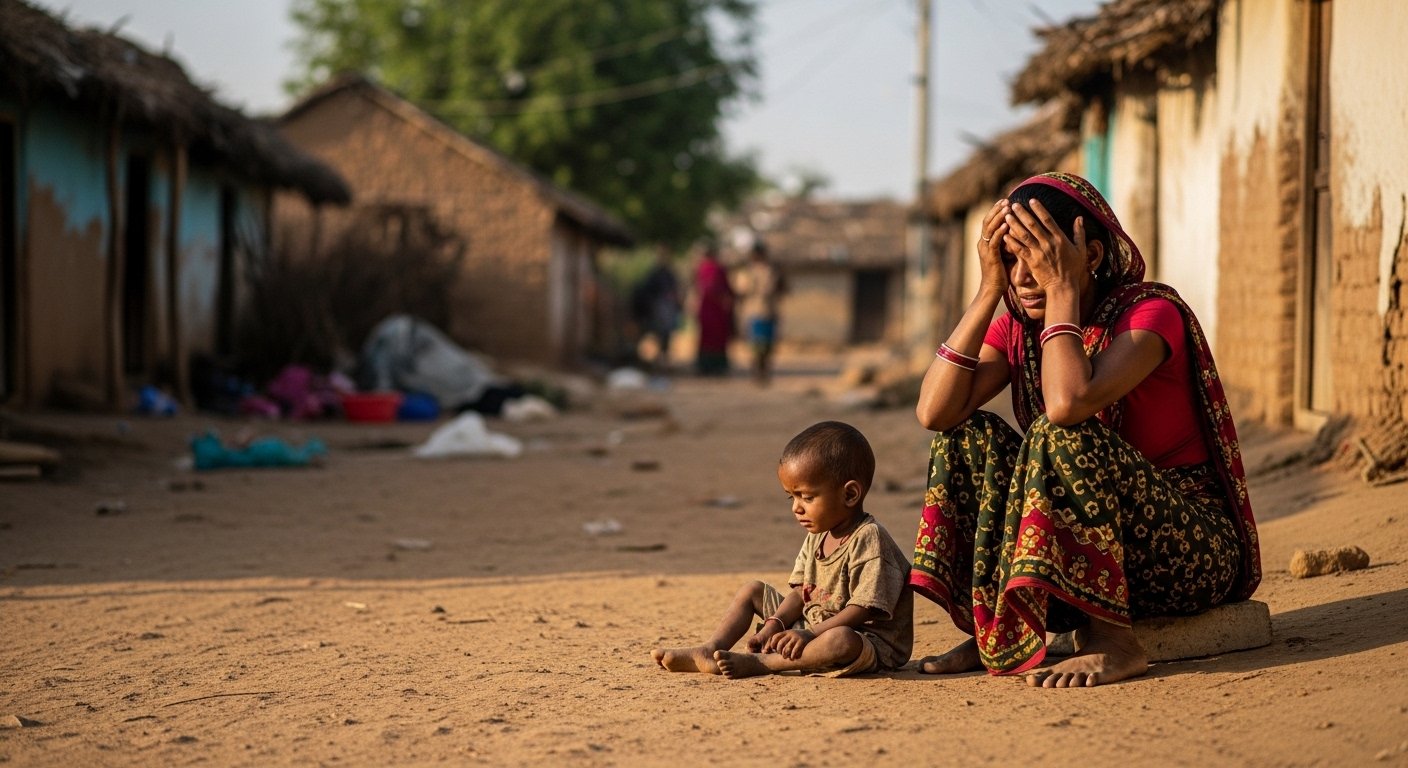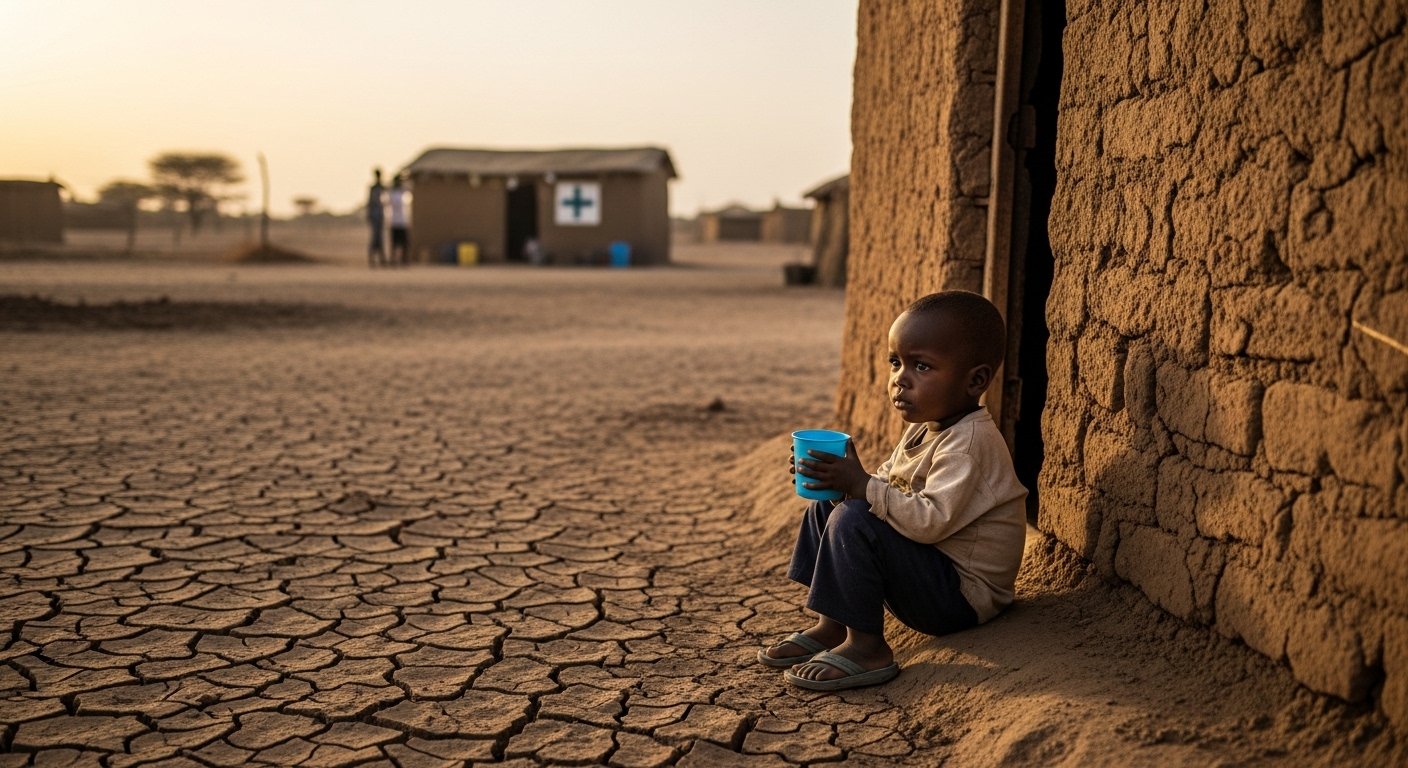
USAID Cuts 2026 were not just a budget decision in Washington. They became a life-changing shock for millions of people living in war zones, displacement camps, and crisis-hit regions across the world. For many families, the cuts did not feel like a policy change. They felt like the sudden removal of food, medicine, clean water, and safety. In places where survival was already fragile, even a short interruption in aid created fear, hunger, and confusion. What looked like a financial decision from far away turned into a daily emergency on the ground. That is why the impact of these cuts spread so quickly and so deeply.
For many American readers, foreign aid can feel distant and easy to ignore. It may sound like something that belongs only in government debates or international policy reports. But the reality is very different when you look at the people who depend on it. When aid stops, the effect is immediate and severe. Food stops arriving. Medicine supplies dry up. Water projects stall. Clinics lose support. Children who were already weak lose the help that was keeping them alive. The distance between Washington and a crisis camp disappears very quickly when a truck does not come, a clinic runs out of supplies, or a feeding program shuts down.
That is why the 2026 USAID cuts drew so much attention from humanitarian workers and global observers. These cuts did not simply reduce spending. They interrupted systems that had taken years to build and millions of dollars to maintain. In South Sudan, Yemen, Sudan, and Gaza, those systems were often the only thing standing between vulnerable people and deeper disaster. When the support was removed, the damage was not abstract. It was visible in the field, visible in the clinics, and visible in the faces of families who had no replacement for what was lost.
This article explains what USAID did before the cuts, why the funding freeze created such serious problems, and how the consequences reached both crisis zones and American interests. It also shows why aid is not just charity, but a strategic part of global stability. Once you understand what USAID actually did, the scale of the cuts becomes much clearer. This was not a small administrative adjustment. It was a major disruption to the systems that kept some of the world’s most vulnerable communities alive.
What USAID Did Before the Cuts
Before the 2026 funding freeze, USAID was one of the most important arms of U.S. humanitarian and development support. It helped fund food distribution, child nutrition programs, clean water access, vaccination campaigns, emergency relief efforts, and education projects in unstable regions. Many people in the United States rarely saw that work directly, but for communities on the ground it was often the difference between survival and collapse. USAID helped support programs that were practical, measurable, and life-saving, not symbolic or temporary.
Its work was often invisible to most Americans, but on the ground it was essential and life-saving. USAID-backed programs helped malnourished children recover, supported mothers in dangerous childbirth environments, and kept basic health systems alive in places where local governments were struggling to function. These programs were not random donations sent with no structure. They were carefully monitored efforts built around local partners, field workers, health specialists, and measurable goals. That structure mattered because crisis zones do not respond well to chaos; they need consistency, planning, and trust.
This was not random aid sent without structure. USAID worked through monitored programs, local partners, field workers, and measurable goals. That made it much more than a donation line in a budget. It was a system built to deliver real-world outcomes. When those outcomes were working, children were fed, water was cleaner, diseases were controlled, and families had a better chance to get through another week. In many places, that support was the reason communities could keep functioning at all.
In many places, USAID was the organization that arrived when others could not. It supported communities facing war, famine, disease, drought, and forced displacement. For those communities, the agency was not a policy symbol. It was a human lifeline. That is why the cuts mattered so much. When a system like this is weakened, the damage does not stay in conference rooms or government reports. It spreads into homes, camps, clinics, and schools. It reaches children before they can speak for themselves and reaches parents who are already struggling to hold everything together.
Why the 2026 Cuts Were So Disruptive
The humanitarian world does not run on sudden breaks. It runs on planning, transport, medical schedules, staffing, and reliable funding. That is why the USAID cuts caused such immediate disruption. Humanitarian programs are built like fragile chains, and every part of the chain depends on the one before it. If money stops, the trucks stop. If trucks stop, the supplies stop. If supplies stop, the people stop getting help. That sequence is simple, but the consequences are brutal.
When money is frozen or removed without warning, field programs cannot continue normally. Food deliveries stop in the middle of distribution cycles. Clinics wait for medicine shipments that never arrive. Water and sanitation projects are left half-finished. Workers lose salaries, transport, and supplies. Families lose the support they were depending on. In humanitarian work, a sudden pause is often more dangerous than a slow decline because there is no time to adjust, transfer, or replace what was lost.
This is especially dangerous because even a short pause can cause long-term harm. A child who misses nutrition treatment may get sicker. A village that loses clean water support may face disease outbreaks. A clinic that runs out of medicine may no longer be able to protect patients from preventable death. These are not theoretical risks. In fragile places, small interruptions can become serious emergencies very quickly. That is why the 2026 cuts were not just a reduction in aid. They were a system shock.
For people living in crisis, timing matters. A delay of a few days can be dangerous. A delay of a few weeks can be devastating. And in 2026, many people lost not just a delay, but the support itself. Once that happened, the damage was no longer about schedules or budgets. It became about hunger, sickness, and whether families would be able to survive the next few weeks.
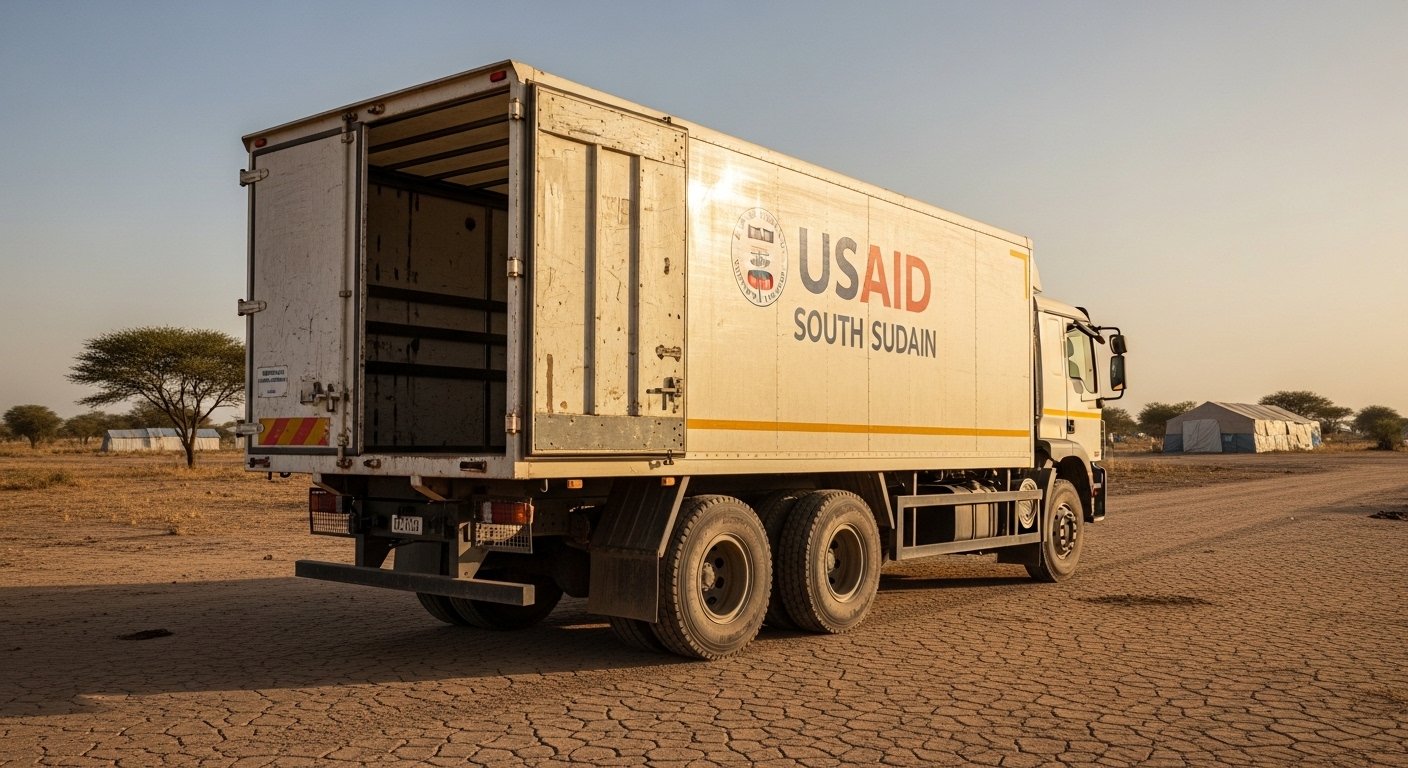
South Sudan and the Disappearing Truck
South Sudan showed the human impact of the cuts in a way that was easy to understand but hard to accept. In displacement camps, food deliveries were often the only reliable source of nutrition for children and families. Those deliveries were not extra support. They were the main thing keeping people going. When the food truck came, families had hope for another week. When it did not come, the entire camp felt the absence immediately.
When the weekly truck stopped arriving, the loss was immediate. Families had planned around that delivery. Children knew that the truck meant food. Camp workers knew that if the truck did not come, the week would be harder and the hunger would last longer. In places like South Sudan, food aid is not a side service. It is the main line of defense against hunger and collapse. Without it, the pressure on families becomes unbearable very quickly.
That is what makes the story so powerful. A truck stopping is a simple event on paper, but in real life it can mean the difference between a child eating and a child going hungry. It can mean a mother stretching one meal into two. It can mean a camp coordinator trying to find help that no longer exists. These are the kinds of details that explain why aid matters more than many people realize. The loss is not just operational. It is deeply personal.
South Sudan was already dealing with conflict, displacement, and weak infrastructure. The aid freeze made a fragile situation even more dangerous. Once the support stopped, there was no easy backup system waiting to take its place. That meant every missed delivery made the next day worse, and the next day worse again. In a place like that, one broken link can start a chain reaction of suffering.
Yemen and the Return of Malnutrition Risks
Yemen was another country hit hard by the USAID cuts because its humanitarian system was already under severe pressure. Years of conflict had damaged hospitals, water systems, and food access, leaving many families dependent on outside help. In a place where so many parts of life were already broken, aid was not a luxury. It was part of the basic survival structure.
USAID-supported programs in Yemen had been providing nutrition support, cholera prevention, and emergency food assistance. When that funding was reduced, the consequences were not only financial. They were medical. Child health services became harder to maintain. Clinics had less flexibility. Nutrition teams lost the ability to reach children in time. Once that happens, the damage can move fast.
Malnutrition in children under five is especially serious. It affects growth, brain development, and immune health. Once treatment is interrupted, recovery becomes much harder. In some cases, the damage can be long-lasting or permanent. This is what makes Yemen so important in the conversation. It shows how quickly progress can reverse when support is pulled away. A country already under stress can slide backward very fast when aid systems are weakened.
The problem is not just that aid stops. The bigger problem is that the people receiving help often have no alternative. They cannot simply replace the lost support with local resources, because those resources are already exhausted. That means the loss of one funding stream can create a direct line from policy change to human suffering. In Yemen, that line was very easy to see.
Sudan and the Hunger Crisis
Sudan became one of the most alarming examples of what aid cuts can do in an active crisis. The country was already facing war, mass displacement, and severe food insecurity. In such conditions, humanitarian aid is not optional. It is survival infrastructure. When families are already stretched to the limit, even small reductions in support can push them into dangerous territory.
USAID funding had supported food distribution and emergency relief work. When that money was frozen or reduced, organizations on the ground had to cut operations, reduce rations, or close programs entirely. That meant families who were already surviving on the minimum suddenly had even less. In a famine-like environment, that is not a small reduction. It is a dangerous blow. It can change what a family eats, whether a child stays healthy, and whether a community can stay stable.
Sudan reveals a hard truth that many policymakers and readers never want to face: aid cuts do not just create inconvenience. They can directly increase starvation risk. Once a food system weakens in a place like Sudan, the consequences spread fast. Children become weaker. Adults lose the strength to work. Disease spreads more easily. Communities lose the ability to recover. What starts as a funding decision becomes a humanitarian emergency.
Gaza and the Weakening of Care Systems
Gaza was already under intense strain before the 2026 cuts, but the funding freeze made an already difficult situation worse. Food distribution systems, medical supply chains, and child health programs all depended on a delicate humanitarian structure. When that structure starts breaking, the effect is not gradual comfort loss. It becomes immediate pressure on hospitals, clinics, and families who are already coping with crisis.
When that structure weakened, hospitals lost supplies more quickly and clinics had less capacity to treat severe cases. Children who might have been identified early by community workers arrived later, sicker, and much harder to help. That is one of the cruelest effects of funding cuts. They do not just reduce what is visible. They also damage the early warning system that prevents bigger harm later.
One of the most damaging effects was not always the loss of visible aid itself, but the loss of the early warning system behind it. In humanitarian work, early detection saves lives. Once that disappears, malnutrition and illness move faster than response teams can keep up. By the time the public notices the damage, the crisis is already deep, and the people suffering have already lost valuable time.
Gaza showed how fragile humanitarian reach can be when even one major funding source is removed. The result is not just reduced service. It is a weaker safety net for people who were already in urgent need. That weakness matters because a weak safety net does not fail all at once. It fails in pieces, and every piece makes recovery harder.
Why Americans Should Care
Some people in the U.S. see foreign aid as something separate from American interests. But that view misses the bigger picture. USAID was not only a humanitarian tool. It was also a strategic one. By helping reduce instability, famine, displacement, and disease, it lowered the chances that local crises would grow into larger regional problems. That matters because instability does not stay neatly inside one country. It spreads.
When people lose access to food, water, and medical care, migration increases, governments weaken, and conflict becomes more likely. Over time, that can create bigger problems that eventually reach the United States in the form of instability, security concerns, and international pressure. Foreign aid also built U.S. influence. For decades, America earned trust by showing up during crises and supporting vulnerable populations. That trust mattered in diplomacy, security, and global leadership.
When the U.S. weakens that support, it does not just reduce humanitarian help. It also weakens one of its most effective long-term tools. That means the effects are not limited to the countries losing aid. The U.S. also loses part of the global credibility and influence it spent decades building. In that sense, aid is not just an expense. It is a form of long-term strategic investment.
What the Cuts Reveal About Global Aid
The 2026 USAID cuts revealed an uncomfortable reality: many humanitarian systems are much more fragile than people think. A lot of aid work depends on one major donor, one budget cycle, or one political decision. When that support disappears, a program that took years to build can collapse in weeks. That fragility is one of the biggest lessons of the entire crisis.
That is a serious problem because the people affected are usually the least able to absorb the loss. They cannot wait for politics to settle. They cannot replace the aid themselves. They are already living on the edge. When a system like that fails, the damage does not stay hidden. It spreads quickly through families, clinics, schools, and communities.
The cuts also showed how misunderstood foreign aid still is. Many people assume it takes a huge share of public spending, but humanitarian aid is actually a small part of the overall budget. The real question is not whether aid is expensive. It is whether a relatively small investment can prevent far greater human and strategic losses later. That is why these cuts became such a major lesson in global policy.
They exposed how quickly fragile systems can break when funding is treated as disposable. They also showed that humanitarian support is not just about generosity. It is about stability, prevention, and responsibility. Once people understand that, the issue becomes much harder to dismiss.
What Needs to Change Next
If governments want humanitarian programs to survive future shocks, they need to avoid abrupt shutdowns that leave people stranded in the middle of treatment. Aid should be managed in a way that allows programs to wind down responsibly or transfer to other partners when needed. That means better planning, stronger coordination, and more protection for the people who are already receiving help. Humanitarian systems need time to adjust, not sudden collapse.
The public also needs a clearer understanding of what foreign aid actually does. It is not vague charity. It is food on a table, medicine in a clinic, clean water in a village, and time bought for someone who may not survive without it. When that reality is ignored, the debate becomes too shallow. People start talking about numbers while losing sight of the human cost behind those numbers.
For policymakers, the lesson is simple: cutting aid without transition can create far greater costs than the short-term savings justify. If the goal is long-term stability, then humanitarian support cannot be treated as a temporary extra. It must be seen as critical infrastructure for global survival. That is the kind of thinking needed if the world wants fewer crises, not more.
The Real Lesson From 2026
The USAID Cuts 2026 were not just a bureaucratic change. They were a humanitarian rupture that affected children, families, hospitals, and entire communities already under pressure. In South Sudan, a truck stopped coming. In Yemen, nutrition support weakened. In Sudan, food rations shrank. In Gaza, humanitarian reach became weaker and less reliable. Across all of these places, the same pattern appeared: when funding ended, vulnerability increased.
That is the real lesson. Aid is not just money crossing borders. It is survival support that gives people a chance to live through crises they cannot control. It is the extra week of food, the medicine that keeps a child alive, the water system that prevents disease, and the clinic that still has something left to give. Without it, vulnerable communities do not simply struggle a little more. They fall deeper into danger.
When that support disappears suddenly, the consequences are not abstract. They are immediate, painful, and often irreversible. That is why the story of the USAID cuts is not only about budgets or politics. It is about what happens when the world’s safety nets are cut loose without warning. And for millions of people, that meant the difference between survival and suffering.