The Iran war global hunger food crisis 2026 is one of the most serious global emergencies of the decade. A military conflict in the Middle East is now pushing millions of people into starvation, disrupting food supply chains, and threatening the world’s most vulnerable families.
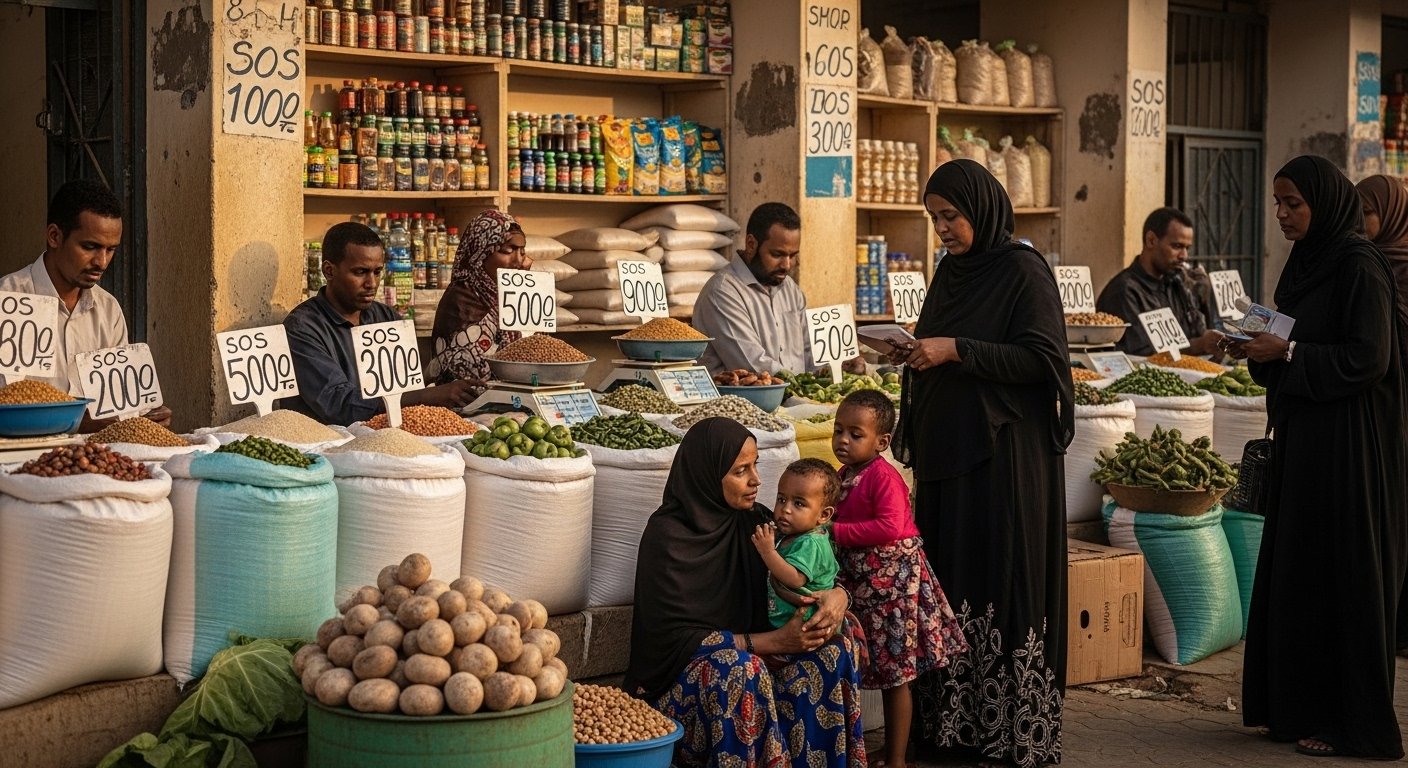
Amina, a mother of three in Mogadishu, Somalia, paid 20% more for rice last week than she did a month ago. She doesn’t know why. She’s never heard of the Strait of Hormuz, yet a war thousands of miles away is emptying her food shelf.
On February 28, 2026, the United States launched Operation Epic Fury against Iran. The conflict has disrupted oil and fertilizer flows through the Strait of Hormuz – a critical artery for global trade. The World Food Programme (WFP) warns that if the war continues into June, 45 million more people will be pushed into acute hunger, added to the 318 million who already face starvation.
Amina’s story is only one among millions of families watching their plates grow emptier. Prices for wheat, rice, and essential commodities are rising sharply in Somalia, Sudan, Yemen, and beyond. Shipping costs for humanitarian food aid have jumped 18% since the conflict began. Farmers across sub‑Saharan Africa are entering the planting season without enough fertilizer, threatening crop failures in the months ahead.
This is not a distant problem – it is happening right now, and the world is running out of time to act.
The Global Food Shock: What Is Really Happening
The US–Iran war is creating a global food shock of unprecedented scale. The Strait of Hormuz, through which 30% of the world’s fertilizers and a quarter of global oil supplies pass, is now at a virtual standstill. This has immediate consequences for agriculture, energy, and food markets worldwide.
WFP warns that without rapid intervention, 45 million additional people could face acute food insecurity by mid‑2026, pushing the global total to 363 million – a new historical record. This level surpasses the peak reached during the 2022 Russia–Ukraine war and the early‑pandemic food crisis.
Shipping costs for humanitarian aid have already risen 18%, making it harder for WFP to deliver rations to vulnerable communities. Prices for staple foods like rice and wheat have surged in Somalia, Sudan, and other fragile regions. At the same time, farmers in Africa are beginning the planting season with severe fertilizer shortages, which could lead to crop failures within 3–6 months.
Experts describe this as a seminal moment in global supply chain history, with simultaneous chokepoints in the Strait of Hormuz and the Bab‑el‑Mandeb in the Red Sea. The crisis is accelerating faster than aid agencies can respond, and the most vulnerable – children and the poor – are paying the highest price.
The Numbers That Should Shock Every American
The scale of this crisis is staggering. WFP estimates:
- 45 million more people could fall into acute food insecurity this year.
- Total global food‑insecure population could reach 363 million – higher than during the COVID‑19 food shocks.
- Shipping costs have increased 18%, slowing humanitarian aid deliveries.
- Somalia has seen essential food prices jump 20% since the conflict began.
- 30% of the world’s fertilizers are delayed or blocked due to disruptions in the Strait of Hormuz.
Every American taxpayer is connected to this crisis. US military actions directly triggered the shipping disruptions. At the same time, deep cuts to USAID funding have removed the safety net that once helped cushion global food shocks. This combination means that American policy choices are contributing directly to the world’s worst hunger crisis since the early 2020s.
These are not abstract statistics. Each number represents real families skipping meals, children going hungry, and communities facing starvation.
Why This Crisis Is Getting Worse in 2026
Several compounding factors are driving the crisis:
- Military conflict in Iran – Operation Epic Fury has disrupted oil and fertilizer shipments worldwide.
- Fertilizer shortages – Sub‑Saharan African farmers enter the planting season with insufficient inputs, threatening future harvests.
- Food supply chain disruptions – The Strait of Hormuz and Bab‑el‑Mandeb are both suffering delays, slowing shipping of humanitarian aid.
- Economic ripple effects – Commodity prices are rising sharply, hitting the world’s poorest the hardest.
- Aid cuts – The US drastically reduced foreign aid funding at the same time it launched military operations, leaving WFP short on resources.
This convergence of war, logistics, and policy makes 2026 a critical year. Experts warn that without rapid global coordination, the Iran‑war‑linked food crisis could create long‑term, multi‑generational malnutrition.
The Story America Is Not Hearing – A Family’s Nightmare
In Mogadishu, Somalia, Amina struggles daily to feed her three children. Prices for rice, maize, and cooking oil have risen beyond her reach. She can no longer afford the staples she relied on just a month ago.
Her children go to bed hungry, and mornings begin with small portions. Her local community is experiencing the same crisis. Markets are emptying, aid deliveries are delayed, and humanitarian access is becoming more difficult due to global shipping disruptions.
Families like Amina’s are invisible in mainstream headlines, yet US military decisions and aid withdrawal are directly responsible for this emergency. Every meal Amina cannot buy is connected to policies and wars that many Americans do not fully understand.
The emotional toll is severe. Fear, anxiety, and helplessness surround daily life. These families face hunger without a clear or predictable path to survival.
America’s Role – The Part Many Try to Ignore
The United States launched Operation Epic Fury in Iran on February 28, 2026. This military campaign triggered major disruptions in shipping through the Strait of Hormuz. At the same time, the Trump‑era cuts to USAID removed the global safety net that used to help manage food‑price spikes.
Historically, the US funded roughly 47% of the global humanitarian appeal. Today, as US bombs disrupt supply chains, US aid is largely absent. This creates a direct causal link: American policy choices are making basic groceries unaffordable and inaccessible for millions worldwide.
Even people far from the Middle East — from Somalia to Bangladesh — feel the impact. US decisions, both military and fiscal, are amplifying an unprecedented global hunger crisis.
Where the System Has Completely Failed
Global governance systems designed to prevent famine and mass hunger are failing. Shipping chokepoints and geopolitical conflicts have exposed deep vulnerabilities in food supply chains.
The World Food Programme is struggling to maintain basic rations. Without urgent funding and a diplomatic resolution, millions may receive only 25% of their daily caloric needs by mid‑year. International coordination is slow, and bureaucratic delays are multiplying human suffering.
The result is a systemic failure that translates into empty bowls, stunted growth, and widespread malnutrition. Children, pregnant women, and the elderly are at the highest risk, with long‑term consequences for global food security.
Children Paying the Highest Price
Children are disproportionately affected by this crisis. Rising food prices and reduced rations mean millions are facing malnutrition and stunted growth.
WFP warns that if the Iran war continues, 45 million more people could enter acute food insecurity. Among them, children under five are the most vulnerable. Malnutrition impairs physical and cognitive development, and increases mortality rates.
The crisis threatens an entire generation. Every day without adequate nutrition reduces life expectancy and future productivity. Children like Amina’s in Somalia may go to school hungry or not at all, perpetuating cycles of poverty and vulnerability.
Why Every American Family Should Care
The US is directly responsible for creating this food shock through military action and aid withdrawal. American families may not feel hunger personally, but global instability affects everyone:
- Rising global food prices increase the cost of imported goods.
- Economic disruptions ripple through trade and energy markets.
- Refugee crises and conflicts may intensify as nations struggle to feed their populations.
Moral and practical imperatives converge: action is necessary to prevent mass starvation, and American taxpayers have a role to play in reversing policy decisions that worsen this crisis.
What the UK and Canada Are Doing – And What They Are Not
The UK and Canada have co‑signed statements calling for de‑escalation, but have not committed emergency food aid to offset WFP’s funding shortfalls.
The UK faces rising energy costs, while Canadian farmers may benefit from higher global prices even as millions go hungry. Without additional emergency aid, millions of children and families could face starvation, showing that diplomatic statements alone are not enough.
What Experts Are Warning Will Happen Next
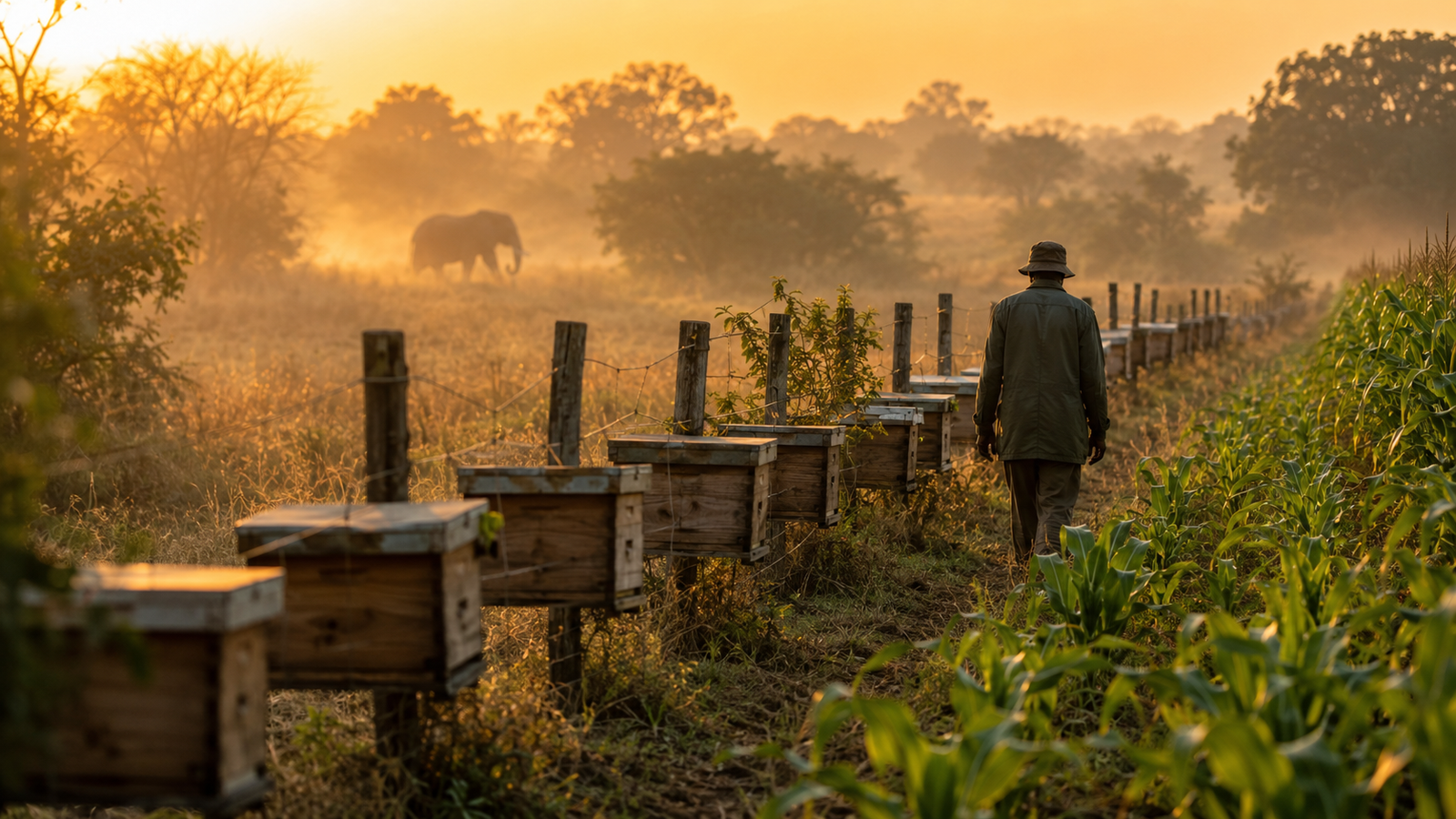
Experts warn that without urgent intervention, sub‑Saharan African farmers will experience crop failures in 3–6 months, deepening the crisis. Shipping disruptions and fertilizer shortages may threaten multiple growing seasons.
WFP Director Jean‑Martin Bauer called this a “seminal moment in global supply chain history.” If nothing changes, food insecurity could reach unprecedented levels, with millions of children and adults entering acute hunger.
The window to prevent catastrophe is closing fast. Immediate humanitarian funding and diplomatic engagement are critical.
Why the Media Is Not Showing You the Full Picture
Mainstream media focuses on military headlines, not the economic and humanitarian ripple effects. The global food‑price shock caused by the Iran war is largely invisible to US audiences.
While Americans watch coverage of missiles and negotiations, millions around the world face starvation, rising food costs, and disrupted harvests. The disconnect between headlines and reality allows inaction and complacency to continue.
What Can Be Done – And What YOU Can Do Right Now
Governments must:
- Fund WFP emergency programs immediately.
- Open humanitarian corridors through conflict zones.
- Support fertilizer supply chains to small‑scale farmers.
Individuals can:
- Donate to WFP, UNICEF, or trusted local hunger‑relief organizations.
- Advocate for renewed foreign aid and global food support.
- Share information on social media to raise awareness.
- Support refugee and migrant families affected by rising food costs.
Every action counts. Delay means more hunger and more deaths for millions.
Conclusion: The Choice We Face Today
Amina struggles to buy rice. Families across Africa and Asia see their food vanish as prices rise. The Iran‑war‑linked global hunger crisis of 2026 is real, unfolding, and accelerating.
HumanCrisisNews – Voice of the World asks:
Will we act to prevent the worst famine in recorded history, or watch as 45 million more people, including children, go hungry — all triggered by a war thousands of miles away?