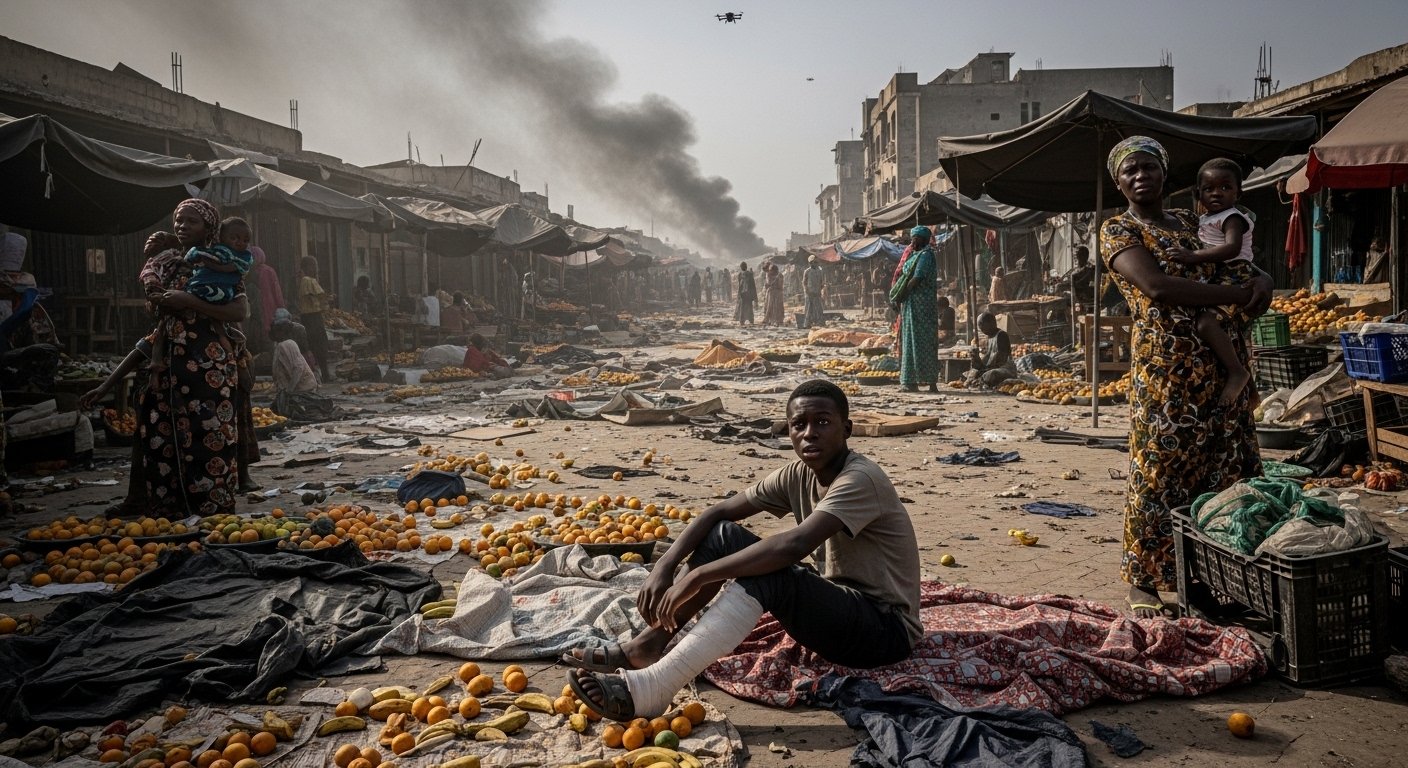
Sudan drone strike civilians 2026 is not just a headline – it is the reality of 11‑year‑old Ahmed’s life. What sounds like a distant war in the news is, for him, a moment that changed everything forever. In North Darfur, Ahmed used to wake up early, helping his father set up a small fruit stall in the local market. They laughed, argued over prices, and lived a simple, peaceful life. Those ordinary moments were everything.
Then one afternoon, the sky changed. A drone hummed above the crowded market, and seconds later, an explosion tore through the crowd. Ahmed woke up under broken wood and dust, his father gone, his leg bleeding, and bodies lying motionless around him. His world collapsed in a single moment.
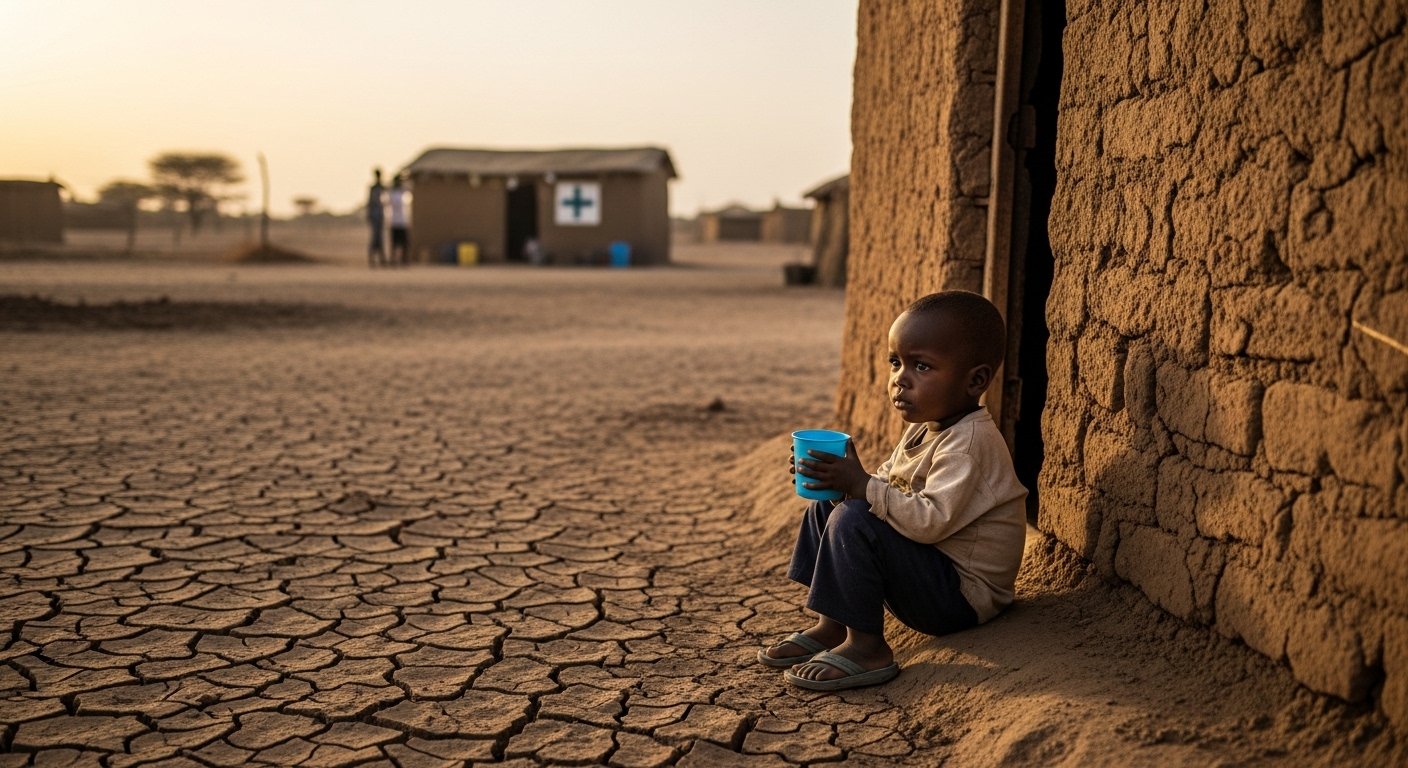
Now, Ahmed sleeps in a crowded displacement camp – no school, no home, and no father, only survival. His story is no longer rare. Across Sudan, drone strikes are hitting civilian areas – markets, homes, and streets. Families walk to the market for food and never come back. Children play in the yard and vanish in the blast. The world may not see their faces, but this is the new normal for millions of Sudanese.
What Is Really Happening – And Why the World Must Pay Attention
The war in Sudan is no longer just a conflict between soldiers. It has become a civilian war, where markets, schools, and homes have become targets. In recent weeks, humanitarian groups and global media report a sharp rise in drone strikes across regions like North Darfur and Kordofan. These are not remote military bases – they are everyday places where families gather to buy food, work, and survive.
In one market attack, over 28 civilians were killed in a single strike. The victims were not combatants. They were parents, children, and traders trying to feed their families. The United Nations and human rights groups estimate that nearly 700 civilians have been killed in drone strikes in Sudan since the start of 2026. This is not just a regional war; it is one of the worst humanitarian disasters of our time.
Drone warfare has made killing easier and quieter. Drones are cheap, easy to use, and difficult to track. Armed groups can launch them with little oversight. The result is sudden, precise, and deadly attacks with almost no warning. When the rules of war break down, civilians suffer first. Markets, schools, and streets no longer feel like safe places. They feel like targets.
The Numbers That Should Shock Every American
Numbers can feel distant, but in Sudan, each one tells a human story. UN reports show that over 9 million people are now displaced in Sudan – among the largest displacement crises on Earth. Human rights groups say more than 500 civilians have already been killed by drone strikes in 2026 alone. The true number may be higher because many deaths are never recorded.
UNICEF reports warn that more than 50% of child casualties have risen in the first quarter of 2026 compared to the same period last year. This means children are being killed and injured at an alarming rate. The total death toll in Sudan could be in the hundreds of thousands, and humanitarian aid is drastically under‑funded.
What many Americans do not realize is that the United States sends billions in humanitarian aid to Sudan, but weapons, drones, and regional influences keep fueling the conflict. The world is spending more on military budgets than on peace and protection.
Why This Crisis Is Getting Worse in 2026
The crisis in Sudan is getting worse because of political collapse, drone warfare, and global attention gaps. The country is in its fourth year of civil war, with no clear peace in sight. Power struggles between armed groups have left civilians exposed.
Drones are now one of the main weapons used in the conflict. They are cheap, easy to fly, and hard to defend against. This means more attacks, more deaths, and more displacement. At the same time, global media focuses on other conflicts. Sudan’s suffering is pushed aside. Donor fatigue sets in, and aid budgets shrink.
Humanitarian agencies report that only a small fraction of the needed funding has been received. Programs that feed children, provide medical care, and protect civilians are being cut. This is what makes the situation so dangerous. When help is slow, suffering is fast.
The Story America Is Not Hearing – A Family’s Nightmare
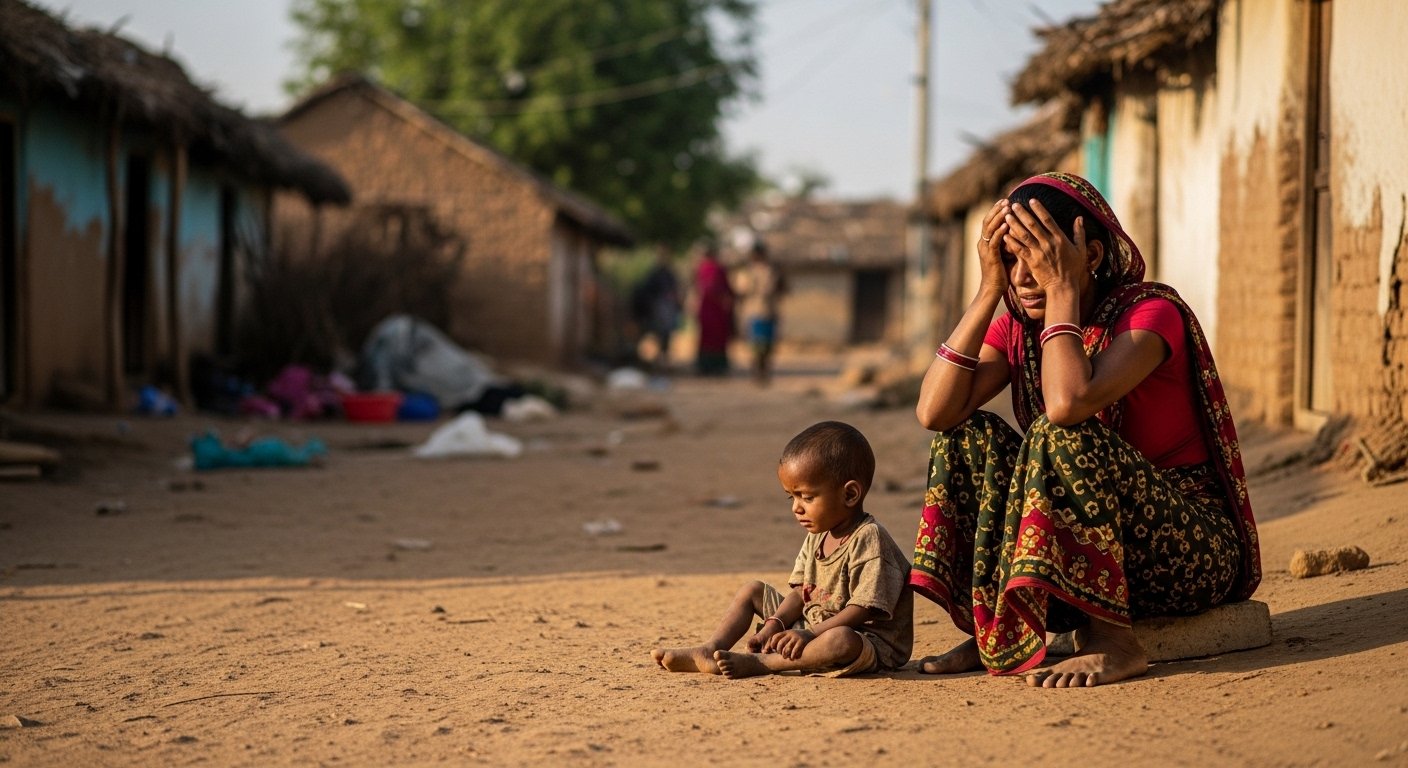
Fatima, 34, once taught in a classroom in Khartoum, full of hope for her students and her country. Her life was built on education, purpose, and the belief that tomorrow would be better. Today, she wakes up in a crowded displacement camp, where survival has replaced routine. At night, her children cry not from fear, but from hunger.
One day, her brother left to buy food from a nearby town. He never came back. Later, they heard of a drone strike on the road. No one knows if he is alive or gone. Fatima’s words stay with you: “We are not living anymore. We are waiting.” Waiting for food, for safety, for the war to end.
This story is not unique. Countless families are waiting in silence. The world does not see their faces, but their suffering is real.
America’s Role – The Part That Is Hard to Say Out Loud
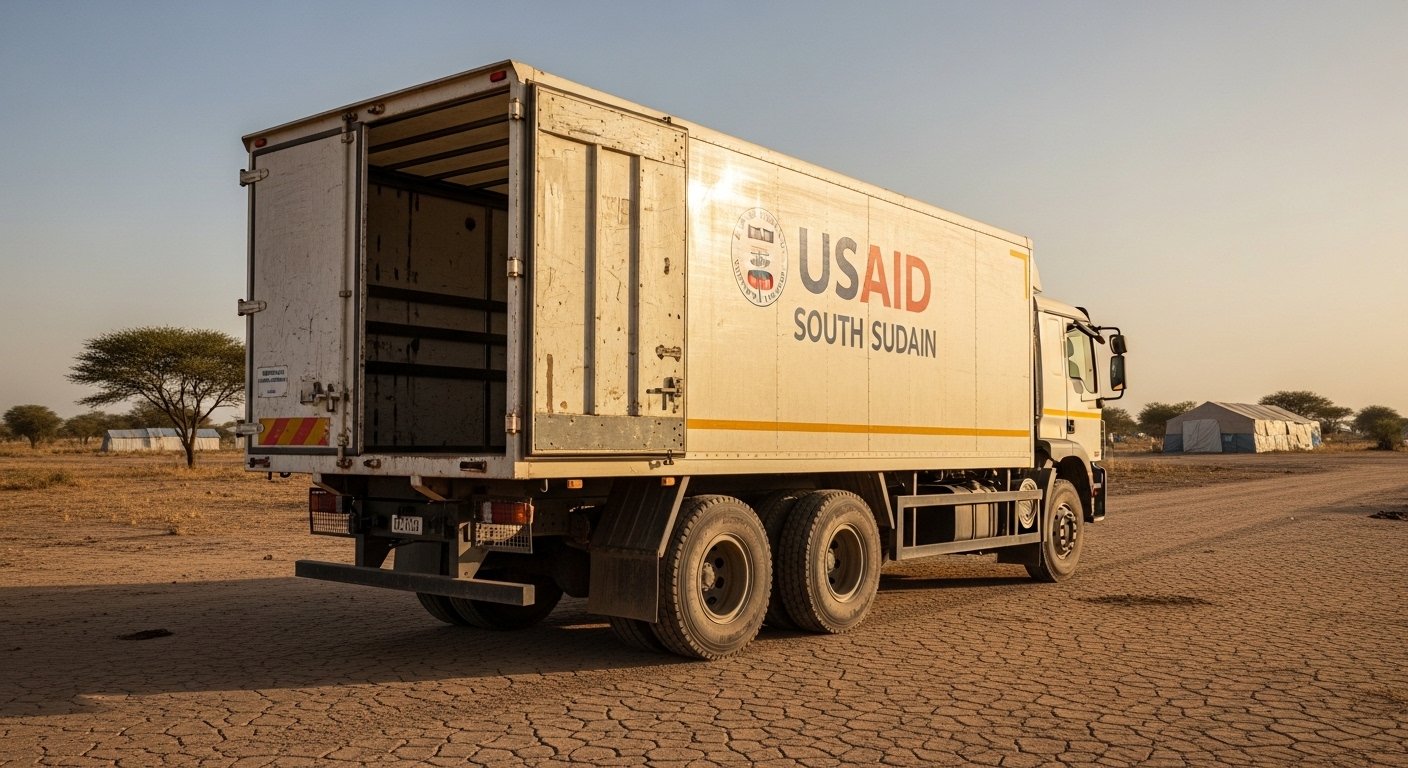
The United States may not be fighting in Sudan, but it is still connected. The U.S. provides humanitarian aid, supports diplomatic efforts, and influences global arms flows. These connections matter.
Critics argue that global policies, including weapons trade and geopolitical strategies, can indirectly fuel conflicts like Sudan. Funding decisions also have real impact. When aid budgets are cut, programs suffer. At the same time, public attention focuses on other wars. Sudan is left behind.
This is not about blaming the U.S. It is about understanding that no major power is truly separate from a crisis like this. American taxpayers are part of a global system that shapes what happens in Sudan.
Where the System Has Completely Failed
The international system was built to protect civilians, but in Sudan, it has failed. The world reacts too slowly. By the time help arrives, deaths have already risen. Political divisions block decisive action. The United Nations struggles to reach agreements, and enforcement of international law is weak.
Funding shortages cripple aid agencies. They are forced to choose who gets help first – a decision that should never happen. Even when rules exist, they are rarely followed. The result is more deaths, more displacement, and endless suffering.
Children Paying the Highest Price
Children are not part of the war, but they are paying the highest price. In Sudan, the impact of violence and displacement is falling hardest on those who should be safest – the next generation. UNICEF reports that over 17 million children now require humanitarian aid in the country. This is not just a number – it represents an entire generation at risk of being lost to conflict, hunger, and trauma.
Millions of children have been pulled out of school, leaving them without education, without safe spaces, and without a clear path to a stable future. Many have lost one or both parents in the chaos of war. Others are injured, displaced, or struggling just to find enough food to survive. Doctors across Sudan report a sharp rise in malnutrition, with some children so weak they can barely stand. The physical toll is matched by the emotional damage: nightmares, fear, and a deep sense of loss are now part of everyday life for many children.
For them, childhood is no longer a time of learning and play. It has become a time of survival. In schools turned into shelters, in crowded camps, and in silent streets, children are trying to understand a world that has already taken too much from them.
Why Every American Family Should Care About This
Sudan may feel far away, but it is connected to the world in ways that directly affect families in the United States. American tax dollars fund global aid systems, including those that support refugees and humanitarian efforts in Sudan. When instability grows in regions like Sudan, it can ripple outward, fueling migration, spreading conflict, and influencing global security and economies.
Instability in one part of the world does not stay in that part of the world. It can impact trade, security, and even the way people live their lives far from the battlefield. For many Americans, the idea of war and displacement feels distant – but when it happens to someone else’s family, it becomes a shared human responsibility.
Ask yourself: what would you want the world to do if this happened to your family? If your child were sleeping in a crowded camp, if your home had been destroyed, and if your future felt uncertain, would you want the world to ignore it or to act? That question matters deeply. Crises like Sudan test our values, not just our resources.
Caring about Sudan is not about fear or guilt. It is about understanding that in today’s world, no country is truly separate. What happens in Sudan can shape the world that future generations grow up in – including those in the United States. By paying attention, by supporting humanitarian efforts, and by demanding action, American families can help protect the lives and futures of children they may never meet.
What the UK and Canada Are Doing – And What They Are Not
The United Kingdom and Canada are among the countries providing humanitarian aid to Sudan through international organizations, refugee programs, and emergency relief efforts. British and Canadian governments support food distributions, medical care, and protection for displaced families, often working alongside groups like the UN, Red Cross, and various NGOs. These contributions help save lives and provide basic shelter, food, and medical treatment to millions of people who have lost everything.
However, many experts and human rights advocates warn that these efforts are still not enough. Despite the scale of the crisis, funding gaps remain significant. The growing number of displaced people, the rising death toll, and the expanding humanitarian needs are outpacing the available support. While the UK and Canada have pledged aid, they face domestic political and economic pressures that limit how much they can do.
Critics argue that greater action is possible. They call for stronger diplomatic pressure on armed groups, increased financial support, and more public awareness campaigns to push the world toward meaningful change. Without stronger leadership, increased funding, and a real commitment to peace, Sudan’s crisis will continue to worsen, and millions more children and families will be pushed to the edge.
What Experts Are Warning Will Happen Next
Experts on Sudan’s crisis offer a grim warning: if the situation does not change, the country risks becoming a long‑term failed state. Years of war, displacement, and instability have already shattered many of its institutions. Now, the risk is that Sudan may not recover for generations to come.
Displacement continues to rise. Millions of people are constantly moving, searching for safety, food, and medical care. At the same time, famine looms as crops fail, markets collapse, and food supplies are blocked by conflict. Healthcare systems, already under pressure, are collapsing. Hospitals lack supplies, staff, and the ability to respond to emergencies.
One analyst summed it up starkly: “If nothing changes, this crisis could define a generation.” That warning carries deep meaning. A generation of children may grow up displaced, hungry, and traumatized, with few chances for education, safety, or a stable future. Without strong international intervention, Sudan could face years of instability, suffering, and loss.
Why the Media Is Not Showing You the Full Picture
Big global stories dominate headlines, and that’s where Sudan often loses out. Conflicts involving major powers, new political battles, and dramatic events tend to capture the world’s attention. The deep, slow, and painful crisis in Sudan rarely fits that mold. As a result, it is pushed aside.
Journalists also face serious challenges when reporting from Sudan. Access to conflict zones is limited, and the security risks are high. The political environment is complex, making it difficult to provide complete, on‑the‑ground coverage. The result is a situation where millions suffer quietly, and the world sees only fragments of the truth.
Much of the world may never hear the real story of Sudan’s children, families, and communities. The full picture of their suffering, strength, and resilience is often missing from the global narrative.
What Can Be Done – And What YOU Can Do Right Now
Although the crisis in Sudan may seem overwhelming, there are real ways to help. Governments can play a critical role by increasing funding, pushing for ceasefires, and supporting peace negotiations. International organizations like UNICEF, the International Rescue Committee (IRC), and the Red Cross are already working on the ground, but they need more support and protection.
Individuals can also make a difference. Donating to trusted organizations helps provide food, medicine, and shelter to those in need. Sharing accurate information about the crisis can increase awareness and keep the world’s attention on Sudan. Contacting elected representatives and demanding policies that protect civilians and support peace can also create real change.
Even small actions matter. Every donation, every shared story, every voice that speaks up can increase pressure on governments and organizations to act. When awareness grows, pressure follows. And when pressure builds, change becomes possible.