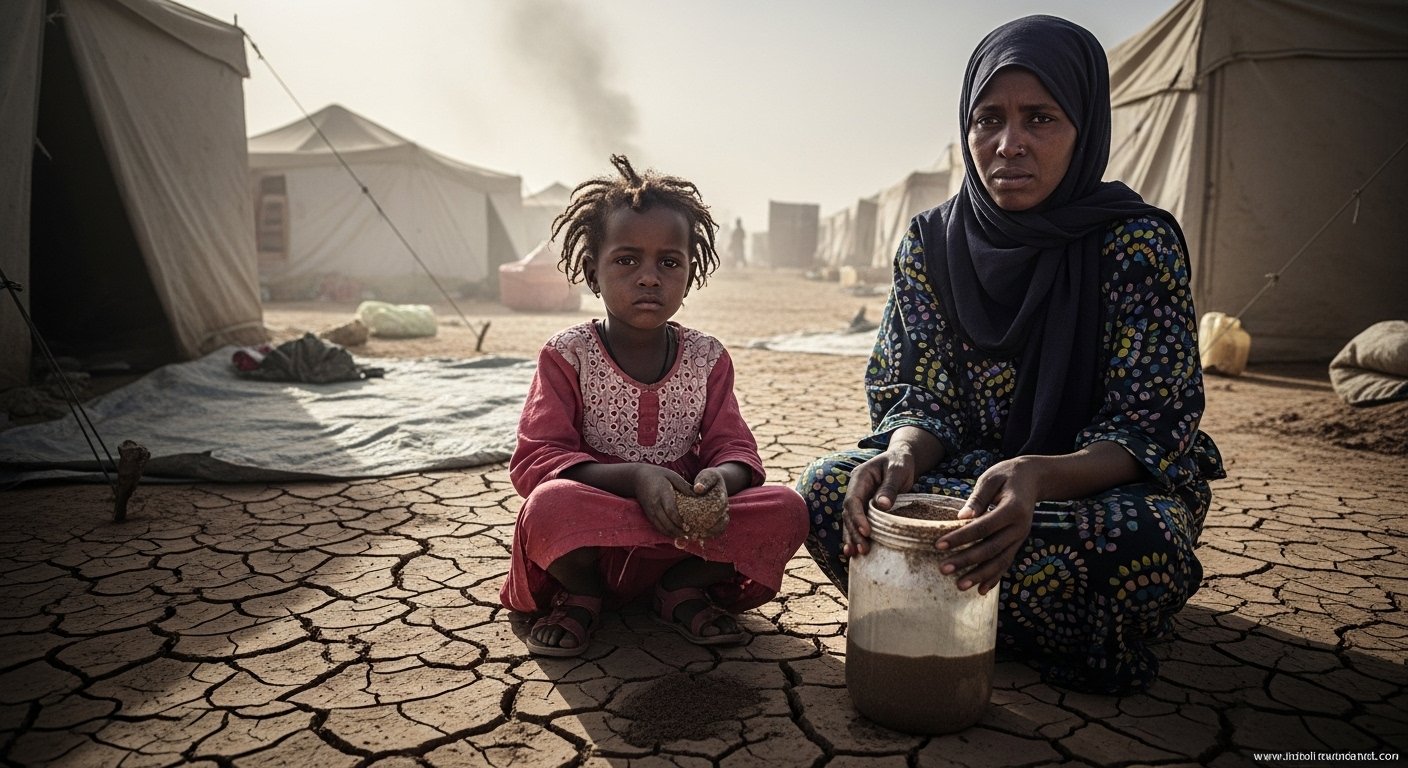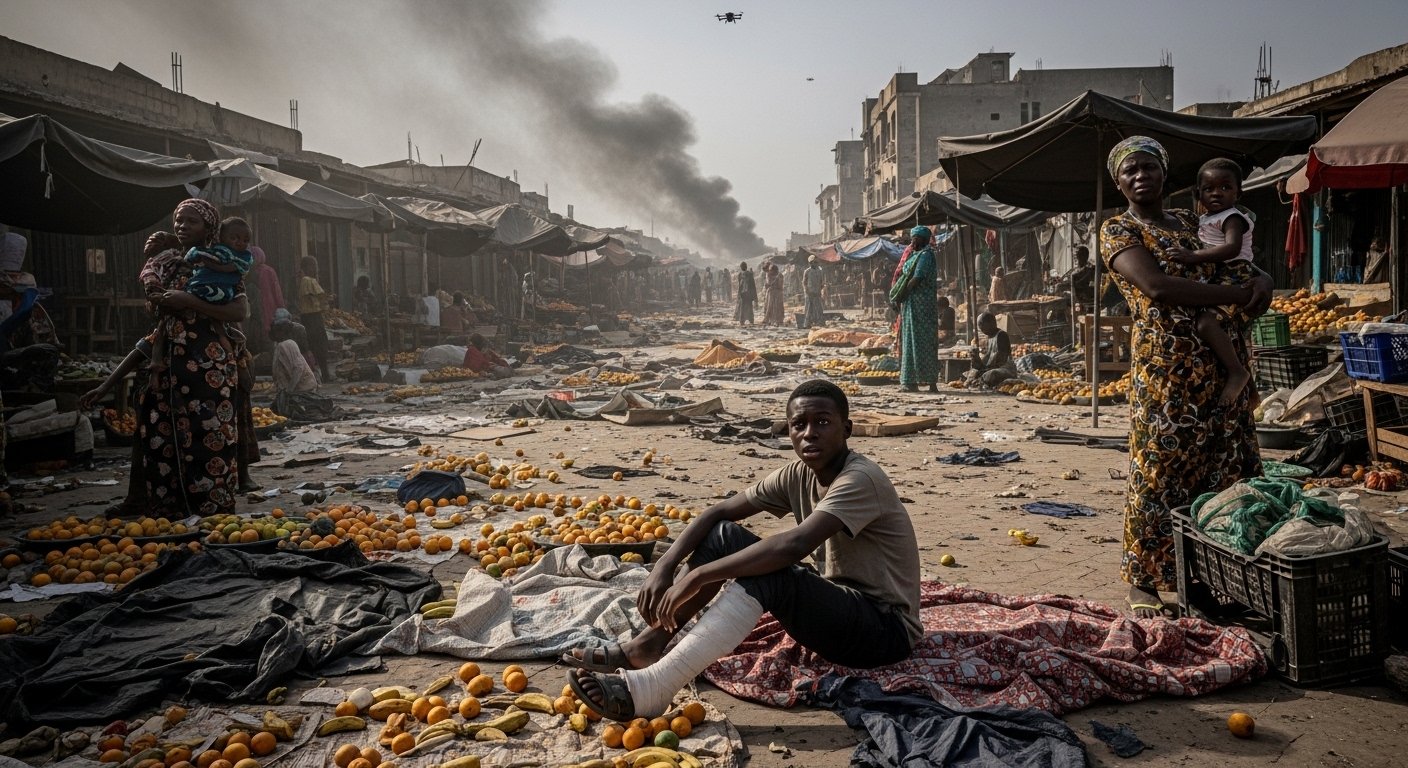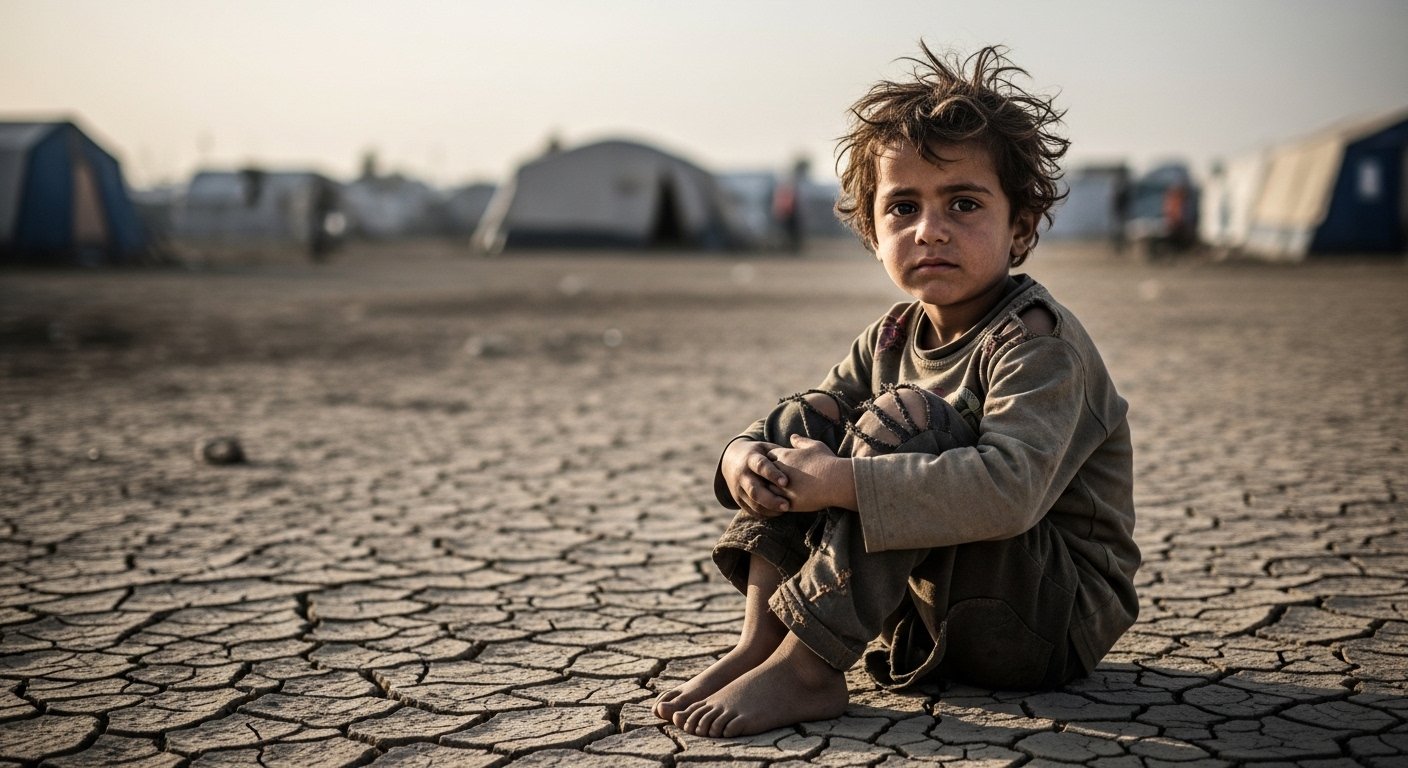
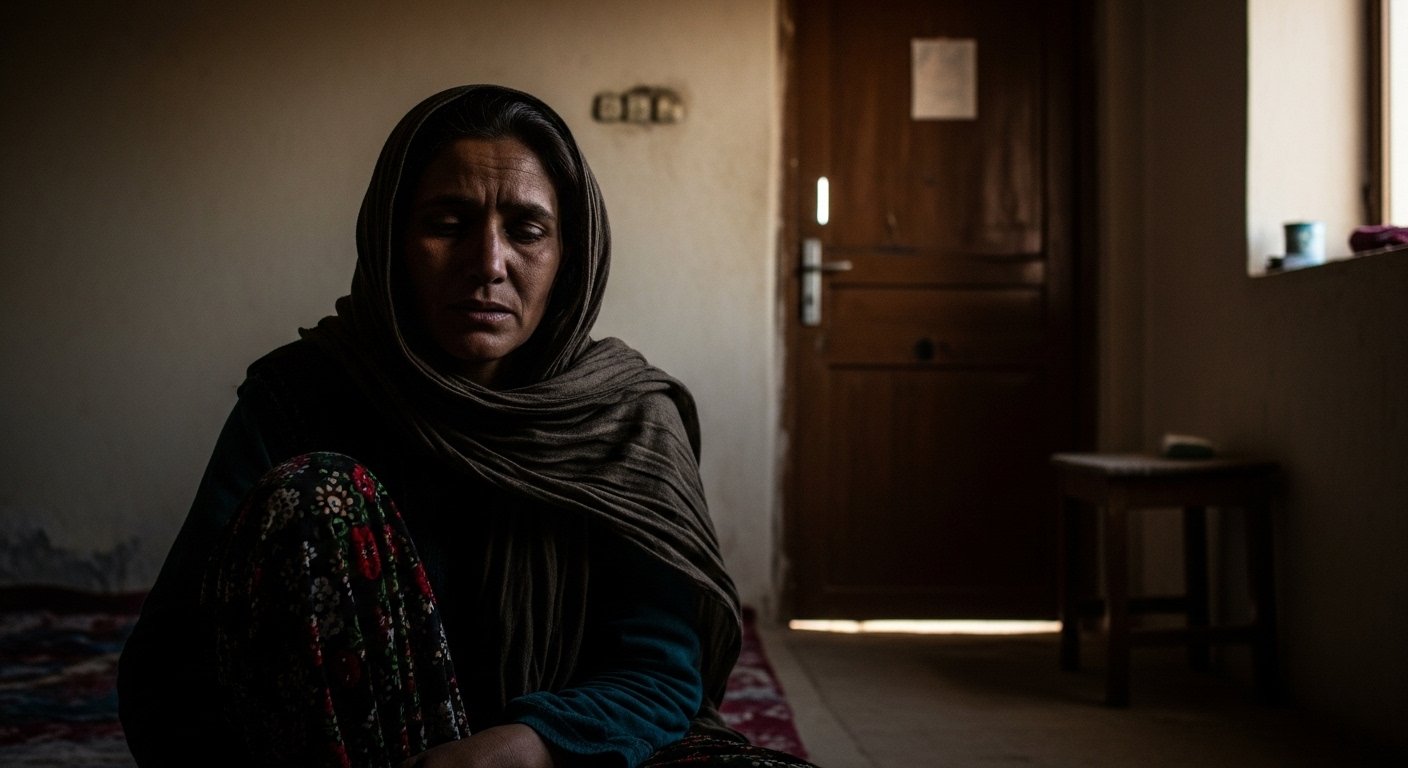
Fatima is 29 years old and lives in Kabul. Just three years ago, she was a teacher, walking to school every morning, laughing with her students. She earned her own money, had a voice, and carried hope for her future. Today, everything has changed. Her school is closed. Her income is gone. Her world has shrunk to a small, dark room inside her home, where silence is the only constant.
Her husband now controls nearly every part of her life — when she eats, when she speaks, and how he punishes her. Last month, after a small argument, he beat her. She did not call the police or go to court — because under the new rules in Afghanistan, that is no longer a real option. “They told me it is his right,” she whispered. That one sentence says everything about the reality Afghan women now face.
Fatima’s story is no longer rare. It has become part of a larger system shaped by a new law: Afghanistan women rights Decree 12, 2026. Quietly introduced and barely discussed, this decree has changed everyday life for millions of women. For 10.7 million women and girls, survival has just become harder. And while their world grows smaller and more dangerous, the rest of the world remains mostly silent.
What Is Really Happening – And Why the World Must Pay Attention
Many people do not fully understand how serious this moment is. In early 2026, the Taliban government announced Decree No. 12, a legal change that removes the idea that men and women are equal under the law. This alone is shocking. But it is only the beginning of something far more dangerous.
The decree goes further by allowing husbands to physically punish their wives inside the home, while making it nearly impossible for women to seek legal help, protection, or justice. Imagine a system where domestic violence is no longer clearly punished, but quietly accepted. That is the reality Afghan women now face.
International humanitarian organizations and UN briefings from March 2026 make it clear that these changes are real, not rumor. At the same time, Afghanistan is already in the middle of a deep humanitarian crisis, with millions of people in need of basic help. Around 10.7 million women and girls now need urgent assistance, while 17.5 million people across the country require humanitarian aid. Hunger is rising, and women are banned from many jobs, which removes a vital source of income for countless families.
What makes 2026 different is the scale of change. Before, Afghan women faced severe restrictions under the Taliban. Now, they are facing open legal abandonment. The limited protections that once existed are disappearing. And when laws move in this direction, violence does not stay the same. It grows quietly, inside homes, behind closed doors – unseen but deeply felt by millions.
The Numbers That Should Shock Every American
The numbers help show the real scale of this crisis. Behind every figure is a human life, a family, a future at risk. Start with this: 10.7 million women and girls in Afghanistan now need humanitarian help. That is more than the population of New York City – an entire city’s worth of lives in urgent need. When you add the 17.5 million people across the country who need aid in 2026, the number becomes larger than the entire population of Florida. For Americans, this comparison helps show how big this crisis really is.
For two decades, the United States spent about $2.3 trillion in Afghanistan, trying to build stability, protect rights, and support women. But today, the situation tells a very different story. Many aid programs have been cut or shut down, women’s shelters have closed, and the legal systems that once offered some protection are disappearing. At the same time, $1.7 billion is needed just for humanitarian funding in 2026 — yet funding gaps keep growing.
The human cost is devastating: around 12.6 million people are facing crisis‑level hunger, where families do not know if they will eat tomorrow. Now imagine being a woman in that system — with no job, no legal protection, and no safety even inside your own home. These numbers are not just statistics. They are lives and futures fading into silence. And they leave behind a difficult question: What did those 20 years of investment truly achieve?
Why This Crisis Is Getting Worse in 2026
This crisis did not appear suddenly in 2026. It is the result of a series of decisions and slow changes that have made life harder for Afghan women and families over time.
First, political decisions have played a major role. The Taliban government has introduced restrictions step by step, each one taking away another layer of freedom. Decree 12 is just the latest – and possibly the most dangerous – pushing women further into isolation and fear. Second, funding cuts have weakened the system. After the international withdrawal, many protection programs were reduced or completely shut down. Shelters, legal centers, and support services for abused women disappeared, leaving behind a dangerous vacuum.
When these systems vanish, the impact is immediate and serious. Without protection or resources, abuse rises quietly, and fewer women can seek help or escape. Third, the economic collapse has made everything worse. With women banned from many jobs, families have lost a vital source of income. Poverty has deepened, stress has increased, and inside homes, that pressure often turns into violence.
Fourth, global attention has shifted elsewhere. Conflicts in regions like Ukraine and rising tensions in the Middle East have pulled focus away from Afghanistan. As one humanitarian worker put it: “When the cameras leave, the suffering doesn’t stop – it gets worse.” That is exactly what is happening. Afghanistan may no longer dominate headlines, but for millions of women, the crisis is more intense, more dangerous, and more invisible than ever before.
The Story America Is Not Hearing – A Family’s Nightmare
Zahra is a mother of three and lives a life that has quietly fallen apart. She once worked in a small clinic in Herat, earning enough to help pay for food, school supplies, and medicine. Her job gave her not only money but also purpose and stability.
Today, that clinic is closed to her. She stays at home while her husband picks up irregular work that never earns enough to meet their needs. Some nights, her children go to sleep hungry, their future growing more uncertain with each passing day. But hunger is not what frightens Zahra the most. Her greatest fear is what happens when stress and frustration turn into anger inside the home. With no support system left, even small tensions can become dangerous.
She told a local aid worker: “Before, I could at least say I would go to court. Now, I have nowhere to go.” That sentence captures everything – the loss of protection, the silence, the fear. This is the real impact of Afghanistan women rights Decree 12, 2026. It is not just about laws on paper. It is about power shifting completely in one direction, leaving women with no voice and no escape.
Zahra’s daughter is 12 years old. She no longer goes to school. Instead, she watches everything around her, learning what it means to be a woman in today’s Afghanistan. And that may be the most heartbreaking part. This crisis is not only hurting one generation – it is shaping the next, quietly and permanently.
America’s Role – The Part That Is Hard to Say Out Loud
This is where the story becomes uncomfortable. The United States spent two decades in Afghanistan, not only fighting terrorism but also promoting democracy and women’s rights. That mission came with big promises and even bigger expectations. Over $2.3 trillion was spent – money funded by American taxpayers from everyday families who believed in building a safer, more stable future.
For a time, there were real changes. Girls went to school, women entered the workforce, and legal protections slowly improved. But after the withdrawal, everything changed quickly. Programs supported by the US, including shelters for abused women, began to shut down. The systems that once offered protection and support started to collapse.
Now, laws like Decree 12 exist in that vacuum. The United States did not write this law, but it does raise difficult questions that cannot be ignored. Could more have been done during the withdrawal to protect women and girls? Could some protections have been preserved in other forms? And what responsibility remains today, as policies still shape aid, sanctions, and humanitarian access?
This is not about placing blame. It is about understanding impact. When people look at this crisis, one question continues to surface: How did so much investment lead to this reality? And the world must ask, what can and should be done now to at least protect the lives of millions of women.
Where the System Has Completely Failed
This failure is not just national – it is global. Powerful institutions like the United Nations have raised alarms, published reports, and issued warnings. Resolutions are discussed and statements are made, but when it comes to real enforcement, almost nothing follows. Words are spoken – but meaningful action is missing.
Aid organizations are doing what they can, but they are stretched beyond their limits. Funding is low, access is restricted by authorities, and resources are not enough to meet the growing need. Even those on the front lines feel powerless. As one aid worker said: “We know what needs to be done. We just don’t have the power or money to do it.” That single line reflects the reality for millions of Afghan women.
Bureaucracy slows everything down, while politics blocks meaningful action. In the gap between words and deeds, real people suffer – especially women left without protection or support. This is what system failure looks like: laws that harm instead of protect, aid that arrives too late, and promises that are never fulfilled. Everyone can see it happening, yet no one is moving fast enough to stop it.
Children Paying the Highest Price
Children are always the most vulnerable, and in Afghanistan, that vulnerability has never been clearer. Millions are already out of school, with girls the most affected. Now a new legal environment is shaping the very fabric of their childhood.
What do these children see every day? They see violence normalized, mothers silenced, and fear embedded into daily life. They grow up learning that oppression and control are not exceptions, but the normal rules of their society. UNICEF data confirms the scale: millions of children face hunger, lack of education, and severe psychological stress. Imagine growing up in a home where violence is legal, where there is no escape, and where the system itself reinforces that fear.
This is not just a humanitarian crisis — it is a generational crisis. Girls are denied education, boys are raised seeing dominance as normal, and the cycle of abuse and inequality continues. The long‑term impact is staggering. This cycle can last for years, even decades, and once it is set, breaking it becomes almost impossible. The children of today are paying the highest price, and the cost may echo for generations.
Why Every American Family Should Care About This
You might wonder: Why should this matter to someone in the United States? It is a fair question – but the connection is closer than it seems.
First, there is taxpayer money. Trillions were spent over two decades in Afghanistan, which means American families are directly linked to what happens next. That investment carries both influence and responsibility. Second, global stability matters. When countries fall into chaos, the effects are not contained. Migration surges, security risks rise, and global economics are shaken. Refugee crises do not stay local – they ripple across the world.
Third, there is a moral responsibility. If your country spent 20 years trying to build something, does the story end the moment you leave? Or does the obligation to protect lives and rights continue? And finally, the most personal question of all: What would you want the world to do if this happened to your family? Suddenly, this is not distant news – it becomes real, human, and impossible to ignore.
What the UK and Canada Are Doing – And What They Are Not
The United Kingdom and Canada were deeply involved in Afghanistan for decades. Their soldiers served on the ground, and some never returned home. Both countries have publicly spoken about women’s rights since the Taliban takeover, issuing statements and condemnations.
But when it comes to real action, progress has been limited. Humanitarian aid continues, but funding gaps remain significant. Resettlement programs exist, yet they move slowly and reach only a fraction of those in need. Many Afghan women at the highest risk still cannot leave. Diaspora communities in both countries are raising their voices, demanding stronger measures: faster visa processing, more pressure on the Taliban, and increased funding for humanitarian support.
Compared to the scale of the crisis, these efforts remain small. That gap is being noticed – especially by families who remember the promises made during the 20‑year international engagement. The world’s words have not yet matched the reality on the ground.
What Experts Are Warning Will Happen Next
Experts are sounding the alarm – and they are not optimistic. Many warn that if nothing changes in the next 6–12 months, the situation in Afghanistan will deteriorate even further.
Domestic violence cases are expected to rise. Hunger levels may increase. And mental health crises could reach unprecedented levels. One UN official put it starkly: “Do not normalize this. Once normalized, it becomes permanent.” That warning matters because normalization is already underway. When laws allow abuse, society begins to accept it as the norm, and reversing that shift becomes increasingly difficult.
The worst‑case scenario is chilling: an entire generation of women grows up with no rights, living in a system where violence is routine, and in a country where half the population is effectively silenced. The window to act is closing fast. Without immediate attention and intervention, the human cost will become irreversible.
Why the Media Is Not Showing You the Full Picture
You may have noticed something: this story is not everywhere. Afghanistan’s crisis has been reported, but rarely with the urgency it truly deserves.
Why? Global media attention is limited. There are many crises competing for coverage – wars, elections, economic shocks. Afghanistan is no longer “new” news, and the headlines have moved on. But while the world moved on, the situation on the ground has grown worse. Stories like this are complex, uncomfortable, and hard to solve, which makes them less attractive to cover.
That lack of attention creates a dangerous gap. If people do not see the crisis, they cannot act. And if they do not act, nothing changes. The reality is urgent, human, and being ignored, with consequences that continue to mount every day.
What Can Be Done – And What YOU Can Do Right Now
This crisis is not hopeless. There are concrete steps that can make a real difference — both at the policy level and in everyday action.
At the policy level, governments can increase humanitarian funding, apply pressure through international bodies, and adjust sanctions so aid reaches those who need it most. On the ground, organizations like UN Women, the International Rescue Committee, and Women for Women International are already working – but they cannot do it alone. They need support from people who care.
Here’s what you can do right now:
- Donate to trusted humanitarian organizations
- Share this story to raise awareness
- Contact your representatives to push for action
- Support Afghan refugee communities in your area
- Educate your family and friends about the crisis
- Follow updates from credible sources
Individually, these actions may seem small. But collectively, they create pressure – and pressure can drive change. Every voice, every contribution, and every act of awareness matters when the world is failing millions.
Conclusion: The World’s Choice Today
Fatima still sits in that small room in Kabul. She remembers her classroom, her students, and her old life – a life that now feels like a distant memory. Today, she measures her days in silence, trapped by a system that no longer protects her.
Her story is no longer unique. That is what makes it terrifying. The Afghanistan women rights Decree 12, 2026 is more than a law – it is a signal. A signal that rights can vanish overnight, that systems can fail, and that silence can be deadly.
The question the world now faces is simple: will it look away, or will it finally pay attention? Because for Fatima, Zahra, and millions of women and girls across Afghanistan, attention is not just hope – it is survival. HumanCrisisNews – Voice of the World.