The Sudan refugees relocated to Chad 2026 crisis has turned a national conflict in Sudan into a regional emergency across eastern Chad. It is the painful reality of families whose lives have been shattered by a war that refuses to stay within borders.
In Chad’s eastern provinces, tens of thousands of Sudanese refugees are being moved from border villages into inland camps, often in the middle of the night, as cross‑border attacks and drone strikes push the frontline closer to their fragile shelters. The Sudan refugees relocated to Chad 2026 crisis has turned a national conflict into a regional emergency, destabilizing food systems, public services, and the economies of neighboring countries.
The phrase “Sudan refugees relocated to Chad 2026” carries more than data – it carries the weight of millions of displaced lives, most of whom are women and children. The violence that began in Sudan has now spilled into Chad, where the host government, already struggling with poverty and instability, is being forced to relocate civilians instead of soldiers. Humanitarian agencies report that basic needs like clean water, food rations, and medical care are barely keeping pace with the influx.
For ordinary Americans, this crisis may seem distant, but it is linked to global security, migration flows, and the very values of human dignity and safety that many democratic societies claim to uphold. This post will show, section by section, why Sudan refugees relocated to Chad 2026 cannot be ignored.
Meet Amira: A Mother’s Fight for Survival
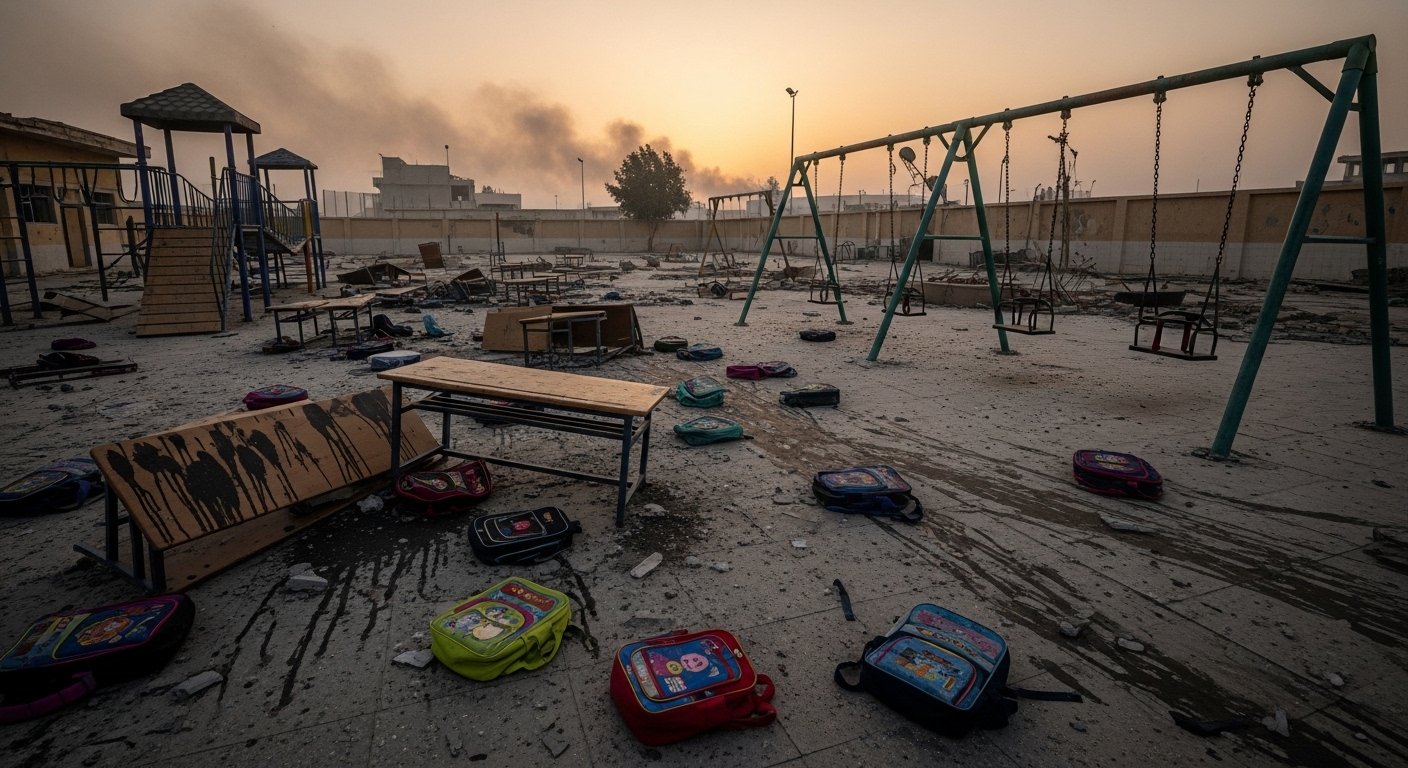
Amira, 29, was once a farmer’s wife in a small village near El Fasher in Darfur, Sudan. Her life was built on the routines of rural survival: planting millet, fetching water, and gathering around the family fire at the end of the day. The future was hard, but predictable. Then the war arrived. Bombs destroyed her village, her home burned to the ground, and her husband was killed in a single night of violence.
With no one left to protect her three children, Amira made the only choice she could: she fled into the darkness, clutching her children’s hands and walking across scorched land with no food, little water, and no clear destination.
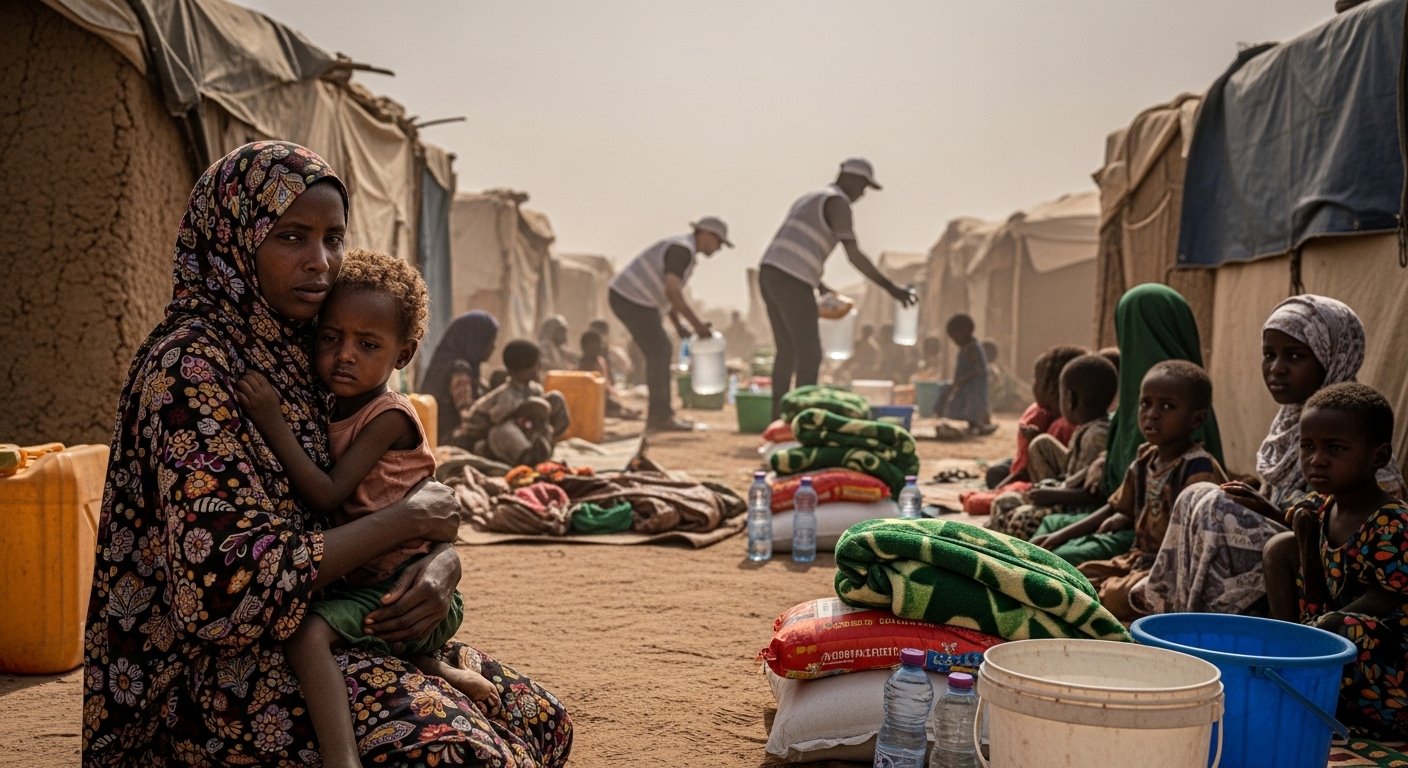
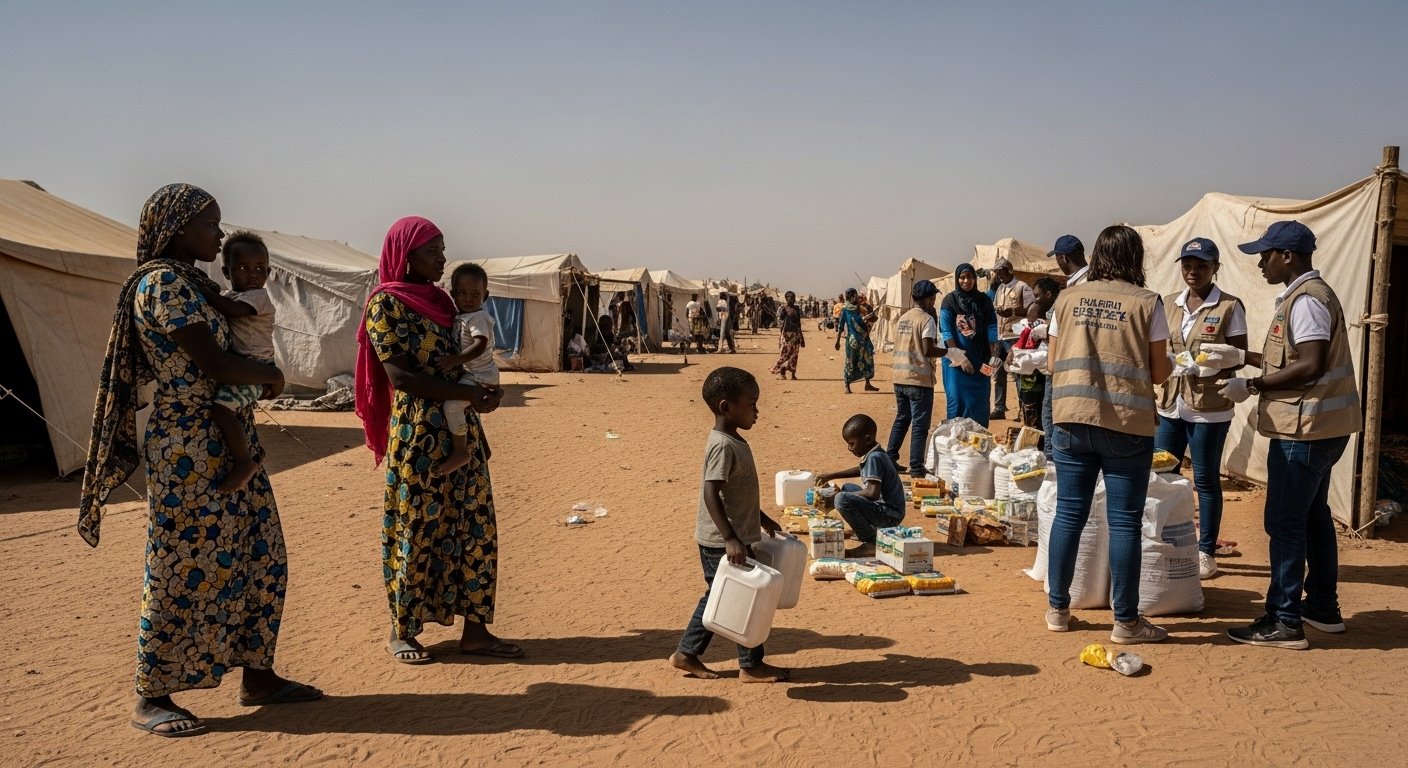
They walked for days before reaching the border with Chad, where they were counted among the growing number of Sudanese refugees relocated to Chad 2026. Today, Amira is one of over 2,300 refugees being moved by the Chadian government from Ennedi Est province to safer inland camps. The relocation is framed as a protective measure, designed to move civilians away from cross‑border attacks and escalating violence. But for Amira, there is no real comfort.
There is no home to return to in Sudan, and the camps in Chad, while safer, are overcrowded, underfunded, and uncertain. Her story shows how the crisis has turned ordinary women into frontline survivors, tasked not only with staying alive but also with keeping their children fed, clothed, and emotionally intact in a world that seems to have forgotten them.
What Is Really Happening – And Why the World Must Pay Attention
The Sudan refugees relocated to Chad 2026 crisis began in April 2023, when a brutal civil war erupted between the Sudanese Armed Forces and the Rapid Support Forces . What started as a power struggle in Khartoum quickly spiraled into a nationwide catastrophe, forcing millions to flee their homes and thousands to cross into neighboring countries.
In Chad, the situation has become both a humanitarian and a security challenge. The Sudanese–Chad border region, once a remote frontier, has turned into a corridor of displacement, where families stream across day after day, often arriving with little more than the clothes on their backs.
By 2026, the violence had spilled directly into Chad. In March 2026, a drone strike from Sudan killed 17 people in southern Chad, including mourners at a funeral. The attack shocked the Chadian government and triggered a rapid response: the eastern border was closed, and plans were launched to relocate thousands of refugees from border areas deeper into the interior.
The Sudan refugees relocated to Chad 2026 wave now involves not only Sudanese civilians but also Chadian communities that host them, stretching already fragile infrastructure and aid systems to the breaking point. The world must pay attention because this crisis is no longer confined to one country. It threatens regional stability, increases the risk of secondary conflicts, and places enormous pressure on humanitarian funding mechanisms that are already depleted.
The Numbers That Should Shock Every American
The statistics behind Sudan refugees relocated to Chad 2026 are staggering and, for many Americans, invisible in mainstream coverage. Since April 2023, over 11–14 million people have been displaced by the Sudan war, making it one of the largest displacement crises in modern history.
Of these, roughly 4.25 million have crossed international borders and sought safety in countries like Chad, South Sudan, Egypt, and Ethiopia. Chad alone hosts over 900,000 Sudanese refugees, most of them women and children, living in overcrowded camps where basic services are stretched beyond capacity.
The Sudan refugees relocated to Chad 2026 wave has placed enormous pressure on humanitarian agencies. The UN’s 2026 Sudan Regional Refugee Response Plan requests $1.6 billion to support displaced families across multiple countries, but funding has covered only about 60–62% of the total need. This gap means that many refugees survive on reduced rations, limited access to healthcare, and ad‑hock shelter arrangements.
For American taxpayers, this crisis is connected to everyday choices: U.S. government grants fund UNHCR, WFP, USAID, and various NGOs that deliver food, shelter, and medical care to these camps. When U.S. Congress debates foreign aid budgets, the lives of people like Amira and her children are on the line. The numbers are not abstract; they represent real families who are surviving on the margins of international attention and funding.
Why This Crisis Is Getting Worse in 2026
Three main factors are making the Sudan–Chad refugee crisis more urgent in 2026. First, cross‑border violence has intensified. Armed confrontations and drone strikes along the Chad–Sudan border have killed civilians and forced both governments to take defensive measures, including closing borders and relocating refugees.
This has turned the border region into a militarized zone, where humanitarian access is restricted and civilians are caught between conflicting forces. Relocating refugees to the interior offers a temporary shield, but it does not solve the root cause: the ongoing war in Sudan.
Second, refugee camps in eastern Chad are overwhelmed. Regions like Ennedi Est, Wadi Fira, and Ouaddaï host hundreds of thousands of people living in temporary shelters. Water supplies are limited, sanitation systems are inadequate, and health services are overstretched. Third, underfunding of humanitarian appeals means that even existing operations are operating at reduced capacity.
The UNHCR and partner agencies warn that, without additional funding, the situation could deteriorate rapidly, leading to spikes in malnutrition, disease, and mortality. The combination of violence, overcrowding, and underfunding has created a perfect storm, where the crisis is not just deepening but spreading beyond the immediate conflict zone.
The Story America Is Not Hearing – A Family’s Nightmare
The emotional weight of the Sudan refugees relocated to Chad 2026 crisis is often absent from mainstream reports, which tend to focus on numbers rather than individual stories. One of the stories that matter most is that of Hassan and his daughter Leila. Hassan, a 40‑year‑old tailor from Darfur, watched his home burn as gunfire filled the night.
With his wife and six‑year‑old daughter, he fled across scorched fields into Chad, walking for days while Leila cried from hunger and fear. At the border, they found muddy ground, makeshift shelters, and scarce food. Aid workers were overwhelmed, and Hassan had to ration Leila’s water, hoping help would arrive in time.
When the relocation order came, they were moved to a new camp, farther from the border but still far from home. For Hassan, this relocation offers a margin of safety, but it also brings new challenges: unfamiliar terrain, longer distances to healthcare, and uncertainty about the future. Leila, still young, does not understand the war or why her life has changed so dramatically.
She only knows the present reality: hunger, fear, and displacement. The Sudan refugees relocated to Chad 2026 crisis is not just about numbers; it is about children like Leila who are growing up without the stability of a normal childhood, without access to education, and without the promise of a safe future.
America’s Role – The Part That Is Hard to Say Out Loud
The United States plays a critical but often underappreciated role in the Sudan–Chad refugee crisis. As a major global humanitarian donor, the U.S. contributes hundreds of millions of dollars annually to UNHCR, WFP, UNICEF, USAID, and various NGOs that operate in eastern Chad and other host countries.
These funds provide food rations, medical supplies, shelter materials, and protection services for refugees. When U.S. foreign aid is cut or delayed, these agencies struggle to deliver even basic necessities, leaving families in overcrowded camps without reliable support.
The Sudan refugees relocated to Chad 2026 crisis also exposes the diplomatic influence of the United States. Regional governments like Chad, Egypt, and Sudan look to the U.S. for security cooperation, development assistance, and political backing. This influence can be used to encourage safe corridors for refugees, better treatment of displaced people, and more coordinated regional responses.
American taxpayers may not see their contributions in headlines, but their funding directly affects whether refugees receive food, medical care, and education. The crisis forces a moral question: if the situation were reversed and Americans were in these camps, what would they expect from the international community? The answer highlights the responsibility that comes with global power and wealth.
Where the System Has Completely Failed
The Sudan refugees relocated to Chad 2026 crisis reveals systemic failures in how the world responds to humanitarian emergencies. Underfunding is one of the most visible problems. The UNHCR and partner agencies requested $1.6 billion in 2026 to support displaced families across the region, but only about 60–62% of that total has been received.
This shortfall translates into fewer food rations, less medical care, and insufficient shelter materials. In practical terms, it means that families go hungry, and children are left without basic health services.
Bureaucratic delays also contribute to suffering. Border approvals, relocation paperwork, and camp allocations often move slowly, forcing refugees to wait in unsafe, unsanitary conditions for days or weeks. Political blocking is another major obstacle. Regional governments often delay cooperation over security concerns, resource competition, or domestic political calculations.
Sudanese authorities are frequently unwilling to negotiate safe return corridors for displaced people. The result is a crisis that is both humanitarian and political, where the systems designed to protect civilians are failing them. The consequences are clear: children without education, pregnant women without proper care, and preventable illnesses rising in camps that are already overwhelmed.
Children Paying the Highest Price
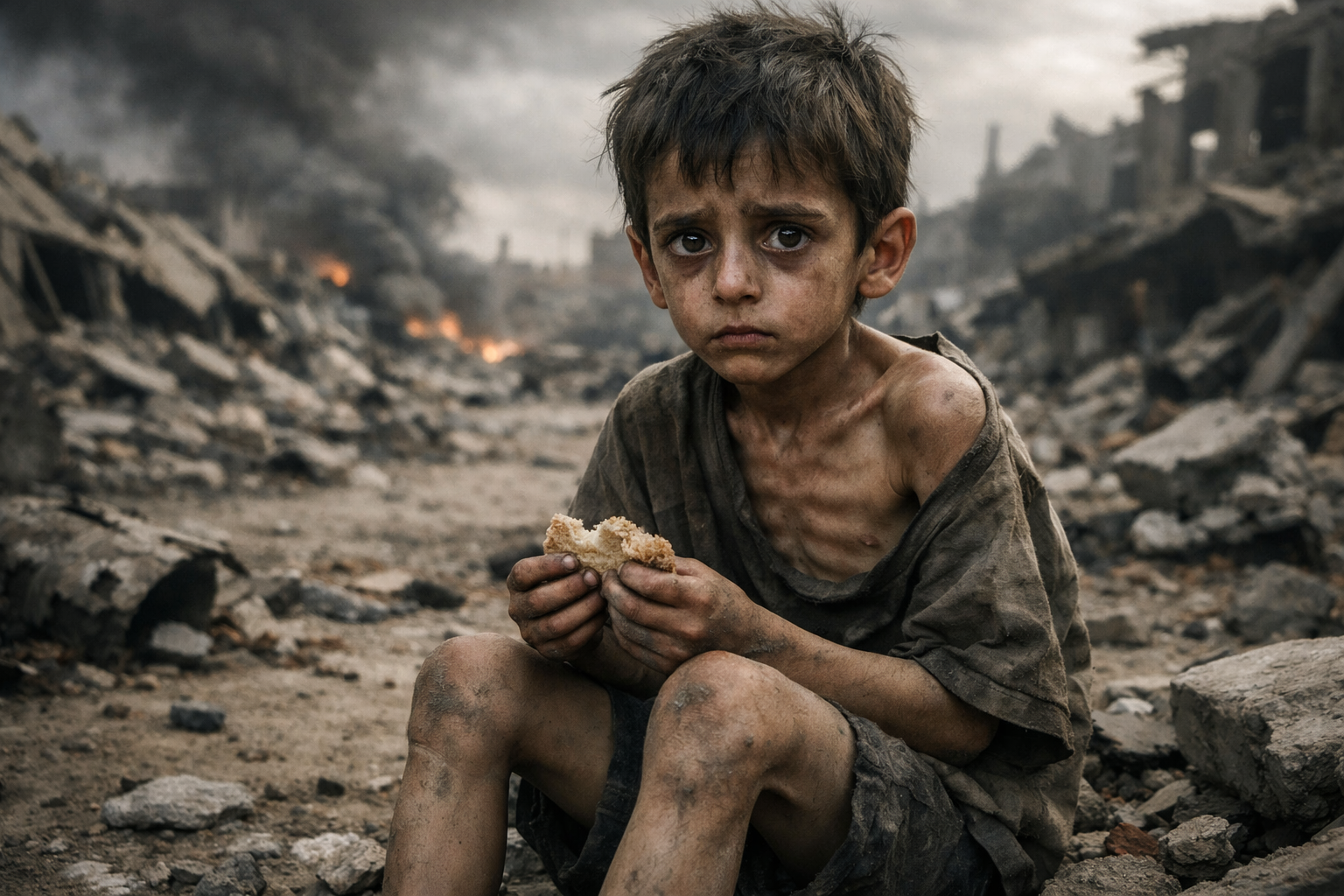
Children are the most vulnerable victims of the Sudan refugees relocated to Chad 2026 crisis. In the 2,300 refugees recently relocated, over 1,900 are children under 15, making them the majority of the affected population. Many of these children have never lived outside a refugee camp and know nothing but displacement and uncertainty. UNICEF reports that only about 37% of refugee children in Chad have access to formal education, which means the vast majority are missing out on schooling and the chance to build a stable future.
Malnutrition is another major concern. Rates of severe acute malnutrition have increased by around 15% in 2026 compared to the previous year, according to humanitarian reports. Children in the camps are vulnerable to preventable diseases like diarrhea, malaria, and respiratory infections due to poor sanitation, limited medical supplies, and exposure to the elements. Psychological trauma is less visible but no less damaging.
Children witness violence, lose family members, and live in constant fear. Aid workers describe nightmares, anxiety, and withdrawal in young refugees, but mental health services in the camps are scarce. The Sudan refugees relocated to Chad 2026 crisis highlights the urgent need to protect children’s education, health, and emotional well‑being rather than treating them as background to the broader conflict.
Why Every American Family Should Care About This
The Sudan–Chad refugee crisis may seem distant from the daily lives of American families, but it is deeply connected to U.S. security, economics, and moral values. American taxpayers fund the humanitarian programs that support refugees in Chad and other neighboring countries. When U.S. Congress debates foreign aid, the lives of displaced families are directly affected.
Funding cuts mean fewer resources, slower aid, and more deaths. Regional instability in Africa can indirectly affect U.S. security by creating breeding grounds for extremism, facilitating irregular migration flows, and disrupting global trade.
The crisis also raises a moral question. If American families were in these camps, living with hunger, displacement, and fear, they would want the world to help. The Sudan refugees relocated to Chad 2026 crisis challenges readers to act rather than just read. Donations, advocacy, and sharing accurate information are concrete ways to contribute.
Contacting representatives to demand sustained humanitarian funding can influence policy decisions. The crisis is not abstract; it is a test of how willing the world is to protect the most vulnerable people in the most difficult circumstances. American families can choose to ignore it or to respond with compassion and action.
What the UK and Canada Are Doing – And What They Are Not
The United Kingdom and Canada are major contributors to global humanitarian relief, but their efforts in the Sudan–Chad crisis remain incomplete. The UK funds food, shelter, and basic services for refugees through agencies like UNHCR and NGOs, but long‑term investments in education, mental health, and infrastructure are often underfunded.
The Canadian government supports nutrition programs and emergency relief, but border security, camp expansion, and protection services still face resource gaps. Both countries have diplomatic influence in the region, but their engagement is often sporadic rather than consistent.
Humanitarian experts warn that more coordinated, long‑term funding is needed to address the crisis effectively. The Sudan refugees relocated to Chad 2026 situation requires not just short‑term relief but also investments in healthcare, education, and durable solutions for displaced families.
The UK and Canada, along with the United States, have the resources and influence to make a major difference. Their current efforts are important, but they are insufficient to meet the scale of the crisis. The gap between what is being done and what is needed highlights the urgent need for greater international cooperation and sustained political will.
What Experts Are Warning Will Happen Next
UNHCR and other humanitarian organizations are warning that the Sudan refugees relocated to Chad 2026 crisis could worsen dramatically if the international response does not improve. Another 5,000–10,000 refugees may arrive in Chad in the next month, as fighting in Sudan continues and safety becomes harder to find. Health and education systems in the host regions are already under immense strain. The influx of more refugees could push them past the breaking point, leading to spikes in mortality, malnutrition, and disease.
Funding gaps are a major concern. Without additional resources, humanitarian agencies may be forced to cut back on services, leaving vulnerable populations without food, water, or medical care. Climate risks also add to the challenge. Rainy‑season flooding can damage shelters, contaminate water supplies, and create conditions for disease outbreaks like cholera and malaria.
Humanitarian experts warn that the window to act is closing. The earlier the world responds with funding, coordination, and protection, the more lives can be saved. Delayed action will not only cost lives now but also make future responses more expensive and more difficult.
Why the Media Is Not Showing You the Full Picture
Mainstream media coverage of the Sudan–Chad crisis is often limited and fragmented. Western outlets tend to focus on other conflicts like Iran, Ukraine, or Gaza, leaving the Sudan refugees relocated to Chad 2026 crisis underreported.
When the crisis is covered, the focus is usually on numbers and political developments rather than on the human stories behind the statistics. Families like Amira and Hassan rarely appear in major news reports, which means their experiences are invisible to the broader public.
This lack of coverage has real consequences. Public pressure on policymakers is weaker when people are not aware of the crisis. Funding decisions are often made based on visibility and political priorities, not on need.
The Sudan–Chad crisis is portrayed as a distant African problem rather than a global humanitarian emergency. The reality is that the crisis is affecting millions of lives and has implications for global security, migration, and human rights. By not telling the full story, the media is failing to equip the public with the information they need to demand action and support solutions