The Fed raises interest rates for the first time in more than three years, a unanimous 12-0 decision that ends a stretch of rate cuts and puts the central bank back in inflation-fighting mode.
The Federal Open Market Committee raised the federal funds rate by a quarter of a percentage point, to a target range of 3.75% to 4.00%, according to the Federal Reserve’s official statement. It’s the first increase since July 2023, and it comes just months after the Fed had been cutting rates. The move was widely expected — futures markets had priced in better than a 90% probability of a hike heading into the meeting — but it still marks a real turn in direction for an economy that spent the past two years watching borrowing costs fall.
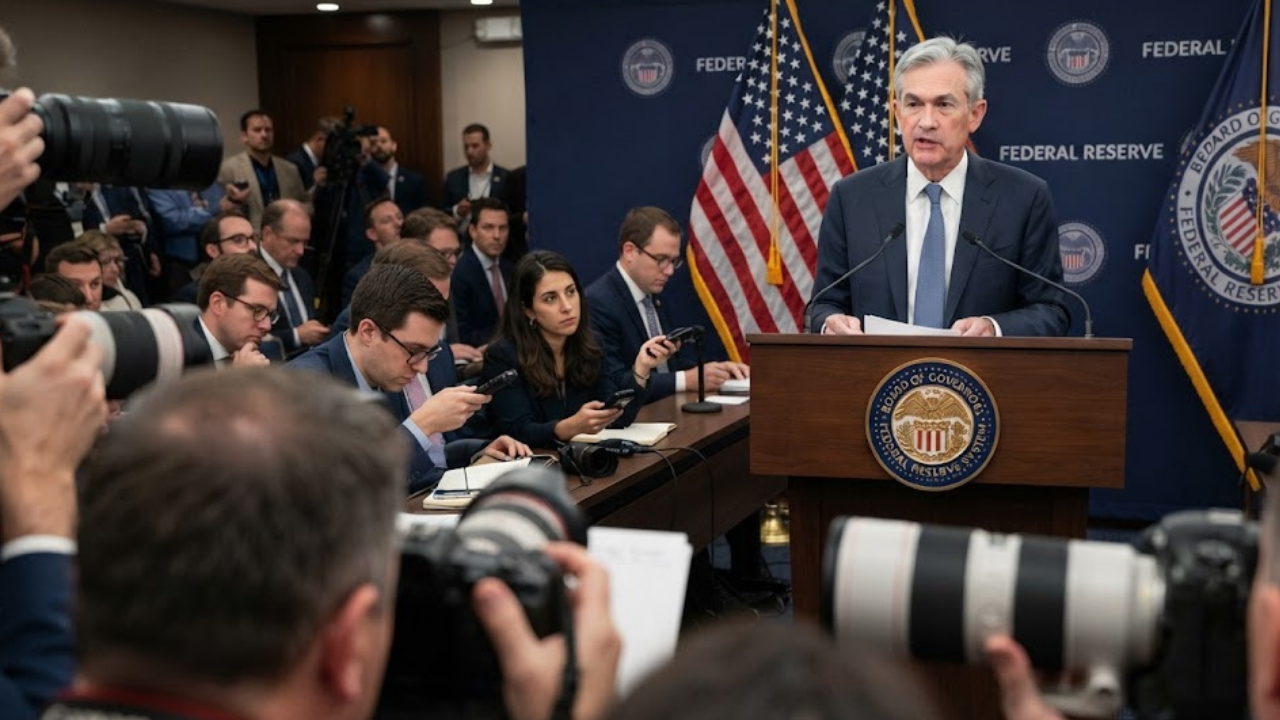
This was also the first rate decision delivered in full by Kevin Warsh, the Fed chairman chosen by President Donald Trump earlier this year. Every sitting policymaker, Warsh included, backed the increase.
Why the Fed moved now, even with a war still driving up costs
Central banks typically try to look past short-term price spikes caused by outside shocks — a war, a natural disaster, a tariff — because those pressures tend to fade rather than reflect a truly overheating economy. That’s normally how the Fed would treat the jump in oil prices tied to the ongoing conflict with Iran, with crude trading above $100 a barrel, plus the lingering cost pressure from tariffs.
But officials said in their post-meeting statement that they were no longer willing to simply wait it out. With hiring holding up and unemployment barely moving, the committee decided the labor market gave it room to prioritize inflation instead of tolerating it. Policymakers wrote that the increase would support what they called “a timelier return to the Committee’s 2 percent goal.”
The committee also trimmed its unemployment forecast to 4.1%, two-tenths of a point lower than its projection in June — a sign officials believe the job market can absorb higher borrowing costs without buckling.
What the Fed thinks comes next
Wednesday’s meeting also brought an updated set of individual rate forecasts, known as the dot plot, which for the first time stretched out to 2029. Of the 18 people who submitted projections, 16 penciled in at least one more rate increase before the end of the year, and four of those expect two. Warsh himself did not submit a projection, a choice some Fed watchers noted as unusual for a sitting chair.
Taken together, the projections put the funds rate somewhere between 4.1% and 4.4% by year’s end — meaning Wednesday’s move is very likely not the last one in 2026.
At his press conference, Warsh kept his remarks brief and avoided giving markets a clear signal about how aggressive the Fed intends to be from here. He described the move simply as “removing a dose of accommodation,” language investors read as more cautious than reassuring.
How markets responded
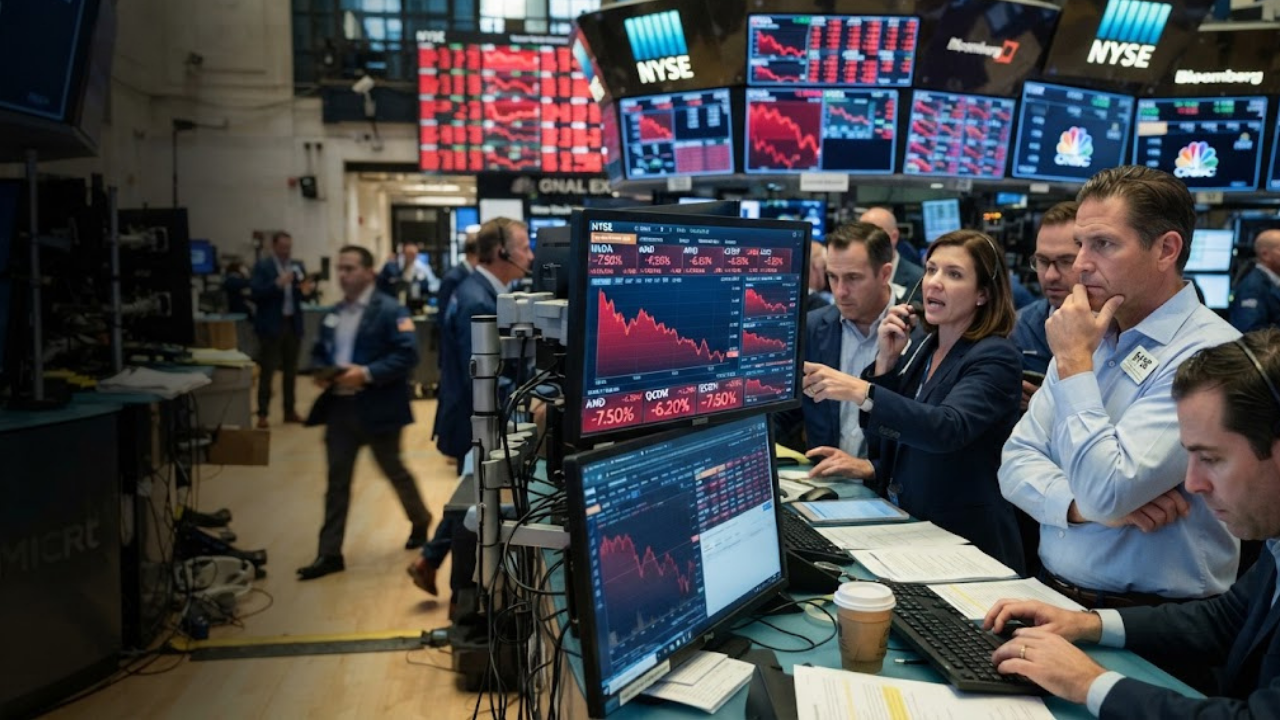
Stocks had been higher earlier in the session but turned negative once the decision and Warsh’s comments landed. The Dow Jones Industrial Average dropped 631 points, or 1.2%, to close at 51,461.90 — its worst day since late February, driven largely by bank stocks, which fell on worries that more hikes are coming. The S&P 500 slipped 0.45% to 7,551.81, while the Nasdaq Composite was essentially flat, down just 0.01%, helped by a 4% gain in Intel shares on reports of a potential U.S. manufacturing partnership with South Korea’s SK Hynix — part of a broader, choppy stretch for AI-linked stocks this year.
Bond markets moved more sharply. The 10-year Treasury yield climbed above 5% for the first time in years, and gold slipped as investors reassessed how long borrowing costs would stay elevated. By Thursday morning, U.S. stock futures had bounced back — Dow futures were up about 0.6% — as some investors concluded the worst of the immediate reaction had passed, even if the higher-rate environment hasn’t.
What it means for people, not just markets
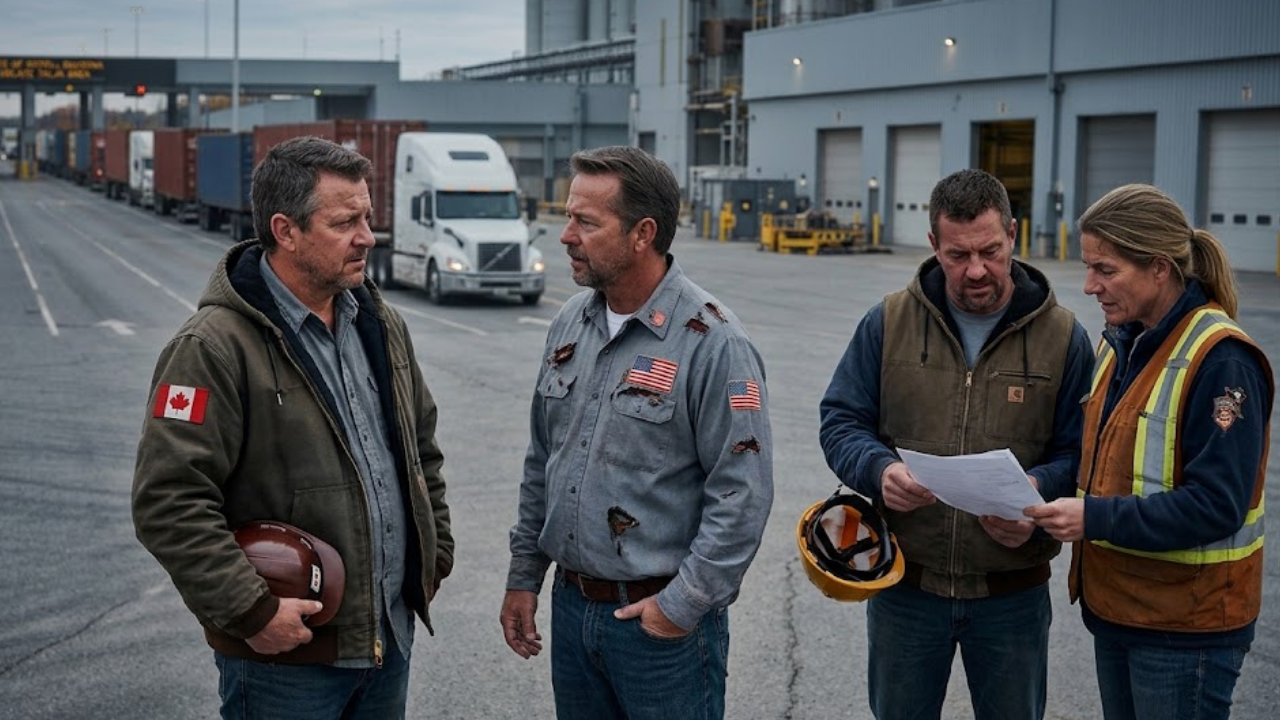
For anyone with a fixed-rate mortgage, auto loan or certificate of deposit, Wednesday’s decision changes nothing right away — those rates are locked in. The impact will show up gradually, in new loans, new credit card balances, new savings accounts and any other product priced off short-term rates. Borrowing is likely to get somewhat more expensive going forward, while savers putting money into new accounts may see slightly better returns than they’ve had in the recent run of Fed rate cuts.
Investment strategists were blunt about the message they took from the vote. One noted that having every Fed governor line up behind the increase — including officials who have historically leaned toward lower rates — signals the committee sees inflation, not growth, as the bigger risk right now, and that further hikes are likely. Another pointed to the bond market’s own multi-week climb in yields as the real driver, arguing the Fed simply followed a shift that investors had already been pricing in.
What happens next
The Fed’s next scheduled meeting will show whether Wednesday’s hike was a one-off response to a specific shock or the start of a longer tightening run, as the dot plot suggests most officials expect. Much will depend on where oil prices and the Iran conflict head from here, and on whether the labor market stays as resilient as the Fed is currently betting it will.