
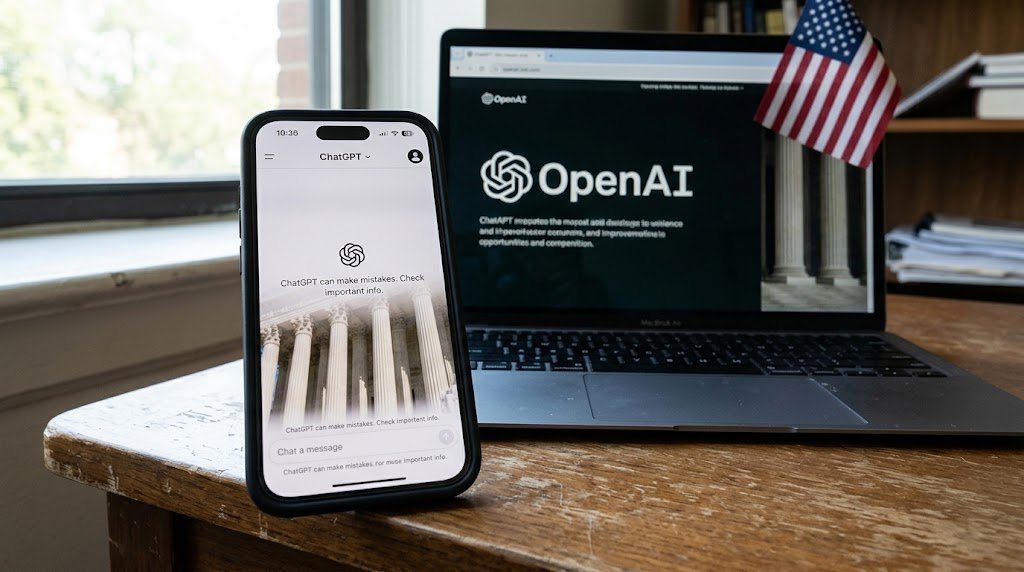
OpenAI lawsuits were filed by attorneys general in eight US states on Wednesday, October 14, 2026, alleging that the company violated consumer protection laws by presenting ChatGPT as safe while knowing it posed risks to users, particularly children. The states are Arizona, Arkansas, Idaho, Iowa, Kansas, Montana, Nebraska and West Virginia, and each case was filed in that state’s own court. They are seeking financial penalties, compensation for consumers and court orders requiring stronger safeguards. None of the allegations has been tested in court, and OpenAI has not accepted them.
The OpenAI lawsuits are separate cases rather than one joint action, but they were coordinated and follow a similar legal theory. Each state is relying on its own deceptive trade practices or consumer protection statute, which means the courts may reach different conclusions under different local laws. The Hill described the group of attorneys general as bipartisan, and it includes officials from both major parties.
What the OpenAI lawsuits allege
The central claim is about marketing and disclosure. According to the complaints as reported, OpenAI told the public and parents that ChatGPT was safe while concealing or downplaying known dangers, and the states argue that this misled consumers who relied on those assurances. The suits also describe the alleged risks as a wider public safety concern, not only a problem for individual users.
On the substance of those risks, the states allege that ChatGPT was designed to encourage emotional dependence and to reinforce delusions in users, and that it imitates human relationships in ways that can mislead people about what they are talking to. The complaints also allege that the chatbot has given dangerous medical advice and instructions related to self-harm and violence. Iowa Attorney General Brenna Bird said, “OpenAI is hurting kids and they are lying to Iowans.” These are allegations made by government lawyers in court filings, and the underlying examples have not been independently verified by HCN.
What the states want courts to order
The OpenAI lawsuits ask for monetary penalties and restitution, along with injunctions that would force changes to how ChatGPT operates and is described to the public. Reports on the filings say the states want stronger protections for children and an end to the allegedly deceptive practices. Al Jazeera reported that the states are also asking for orders barring OpenAI from developing AI models that can improve themselves until it can show those systems are aligned with human values, a request that goes well beyond typical consumer protection remedies.
Nebraska Attorney General Mike Hilgers framed the case as a matter of ordinary law, saying it applies to OpenAI the same standards that apply to any other company in the state. That framing matters because it avoids asking courts to decide broad questions about artificial intelligence and focuses instead on whether specific statements to consumers were accurate. If a court agrees that the statements were misleading, remedies could include fines and mandatory changes to product design or disclosures.
OpenAI’s response
OpenAI has not conceded the claims. In a statement quoted by the Business and Human Rights Centre, the company said no system can be perfect and that it will keep working with experts to inform its work and build additional safeguards, pointing to parental controls, break reminders and age-appropriate model protections that already exist. In a separate statement reported by The Hill, it said it is committed to working with states on pragmatic AI policies that apply to the entire industry and not just one company.
That second point reflects a broader argument in the AI policy debate, which is that rules should be consistent across developers instead of being imposed through litigation against a single firm. The states’ position is that existing consumer protection law already applies to AI products today. HCN did not find a detailed point-by-point legal response from OpenAI to any of the eight OpenAI lawsuits.
Who could be affected
The most directly affected groups are parents and children who use ChatGPT, along with other users who may rely on it for personal, emotional or health-related questions. The complaints describe harms to vulnerable users, but no court has made findings about any individual’s experience, and the sources HCN reviewed do not provide verified case details from the eight states. The practical consequences for users are therefore still unknown and depend on whether the cases proceed and what remedies, if any, a court orders.
For OpenAI, the consequences of the lawsuits could be financial and operational. Penalties under state consumer protection laws are often calculated per violation, which can add up quickly in a product with a very large user base, though the amounts sought have not been specified in the reports HCN reviewed. Al Jazeera noted that the cases arrive as the company prepares for a public listing, which could make legal risk a more prominent issue for investors.
Wider legal pressure on OpenAI
The OpenAI lawsuits from eight states are part of a growing body of litigation. OpenAI already faces suits from individuals and families who allege ChatGPT contributed to psychological crises and deaths by suicide, according to TheWrap. Florida has also filed its own lawsuit over ChatGPT, and OpenAI has responded to that case by saying it has put in place industry-leading protections and policies. Al Jazeera described the new filings as the most significant coordinated state action against the company so far.
For readers who want the underlying documents, Just Security has compiled the state filings and related material in one place, which allows the wording of each complaint to be compared directly. Readers following the wider story can find more technology and policy coverage on HCN.
What happens next in the OpenAI lawsuits
The next steps are procedural. OpenAI will have to file formal responses in each of the eight state courts, and it may ask judges to dismiss or move the cases, though HCN found no reported hearing dates or filing deadlines. How the different courts treat the OpenAI lawsuits and their shared allegations, and whether any of the cases move toward settlement or trial, will determine how much of what the states describe is ever tested against evidence.