The Pavlohrad shopping center strike was the deadliest of several Russian attacks across Ukraine on Thursday, September 10, part of a wave that also hit a mall in Sumy for the second time in two days, a US-owned food plant in Dnipro, and residential areas of Kramatorsk. By evening, authorities had confirmed at least eight people killed and more than 80 wounded nationwide, with several tolls still rising as rescue teams worked through the debris.
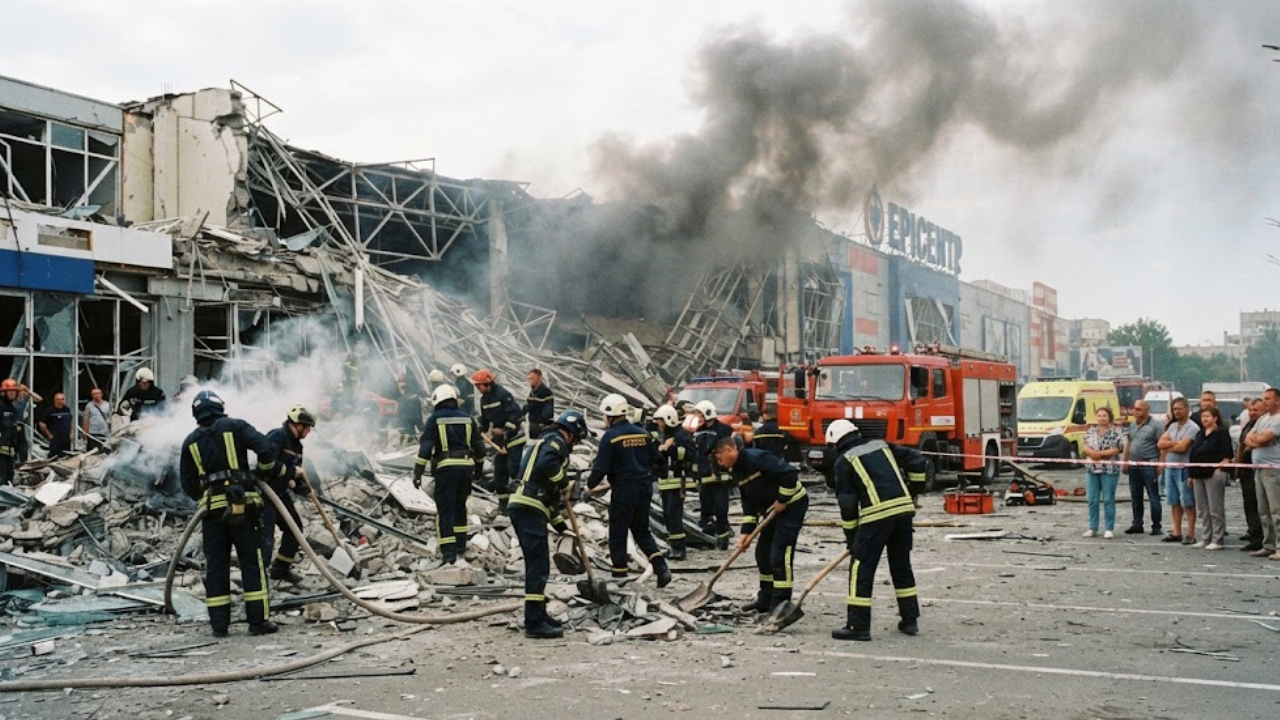
A drone struck a shopping center in central Pavlohrad, a city in Dnipropetrovsk region roughly 75 kilometers from the front line, around midday, when the surrounding streets were full of shoppers. Ukraine’s State Emergency Service confirmed by early evening that four people had been killed and 62 injured, including two rescuers hurt while responding to the scene. Three teenage boys, aged 13, 14 and 15, were among the wounded. Market stalls, a store and several vehicles were set on fire. (Kyiv Independent has continuing coverage of the death toll as it was updated through the day.)
Interior Minister Ivan Vyhivskyi, who posted about the strike shortly after it happened, said the attack came in the middle of the day, when there were many people on the streets. President Volodymyr Zelensky condemned the strike directly, saying Russian forces used drones to kill people who were simply standing near shopping centers.
Inside the Pavlohrad shopping center strike
Pavlohrad’s growing exposure to attack marks a shift in the war’s geography. The city took in residents fleeing fighting further east, and for years that distance from the front line offered a measure of security. That changed on July 20, when the city was hit for the first time by a glide bomb — a weapon that is cheaper to produce than a cruise missile, is launched from aircraft flying inside Russian or Russian-occupied territory, and can carry a warhead heavy enough to level an apartment block. Thursday’s strike is the latest sign that Russian forces are extending precision and semi-precision weapons deeper into Ukrainian territory that had previously been spared.
A second strike on the same Sumy mall
In Sumy, Russian forces hit the Manufactura shopping mall for the second time in as many days. On Wednesday, a drone strike on the mall killed two people and injured about 20, including three children, prompting a declared day of mourning in the city. On Thursday, with the building closed and empty for repairs, a rocket-propelled drone struck it again and set it on fire. No one was hurt in the second strike, since the mall had not reopened — a detail local officials say points to Russian forces targeting retail infrastructure directly rather than incidentally.
Kramatorsk: six bombs, 19 wounded, an infant among them
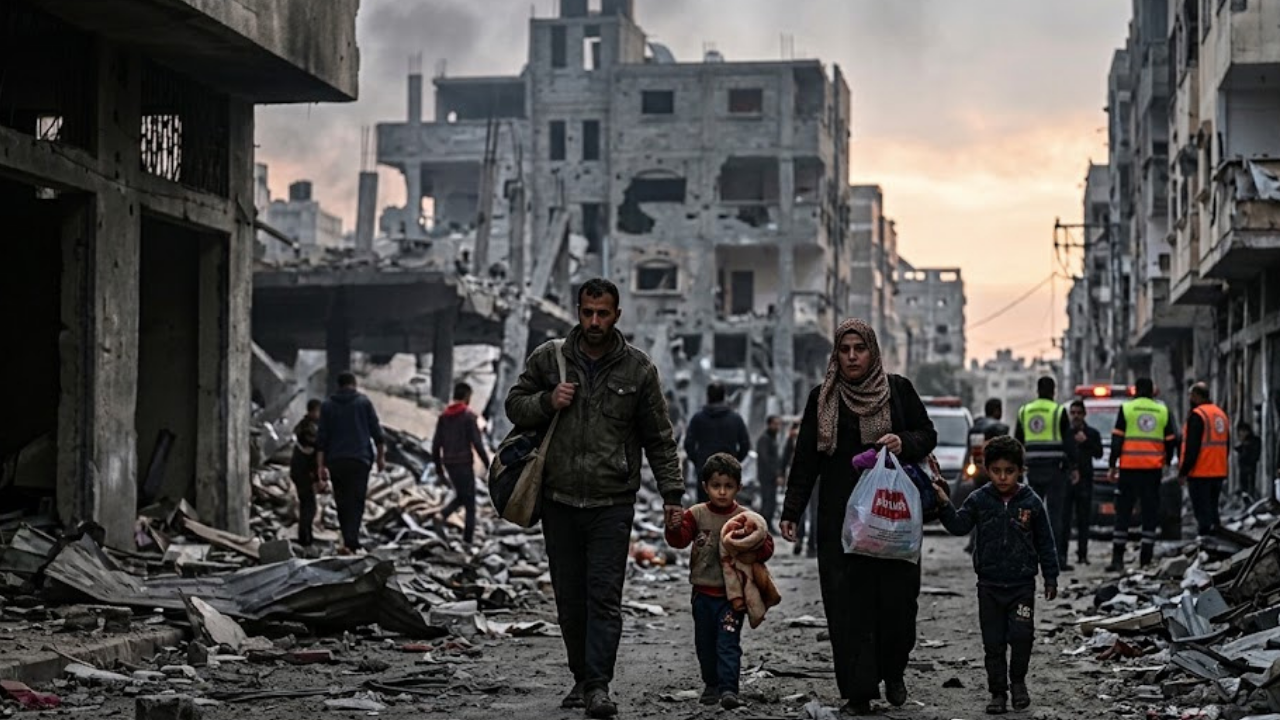
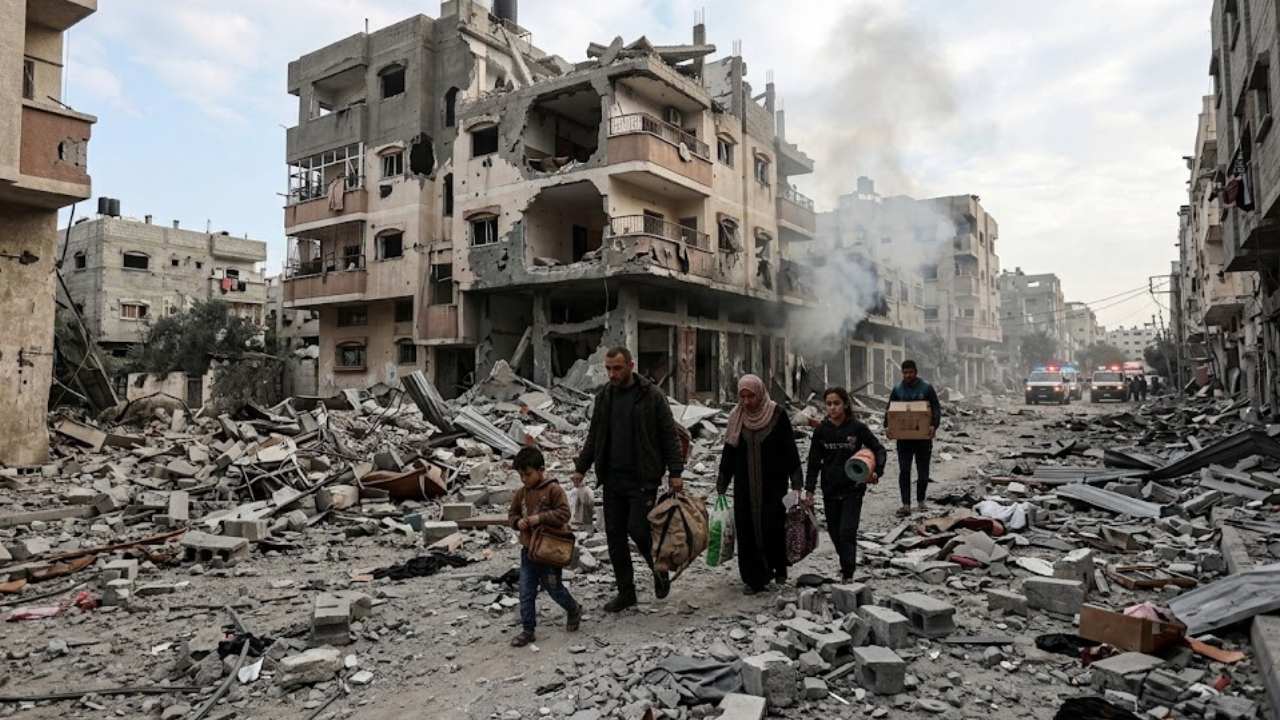
Further east, in Kramatorsk, Donetsk region, Russian forces dropped six FAB-250 guided bombs on the city during the morning, according to the Donetsk regional prosecutor’s office. The strikes landed near schools and a multi-story residential building. By mid-afternoon, the number of people confirmed injured had risen to 19, including an eight-month-old infant. Prosecutors said victims were being treated for blast injuries and shrapnel wounds. Regional officials reported that Russian strike drones had also targeted the city overnight, ahead of the morning bombing.
A US-owned plant hit twice in one morning
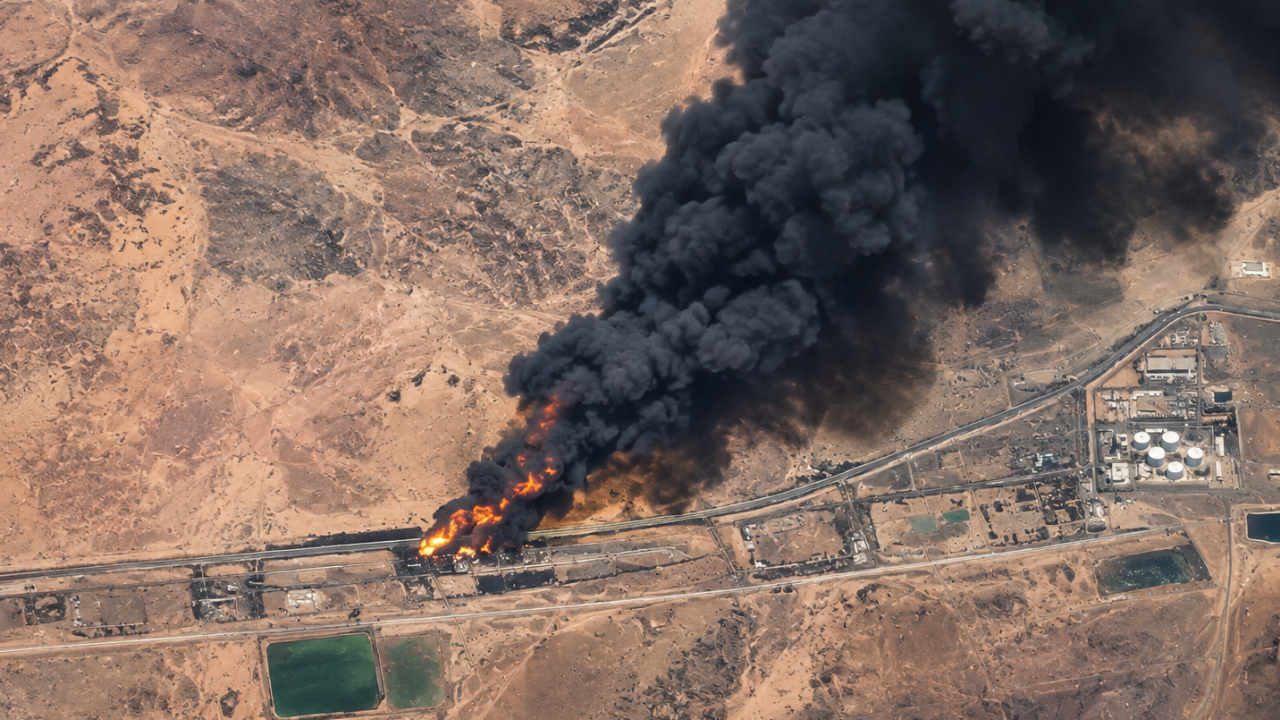
In Dnipro, Russian forces struck the Oleina sunflower oil plant, owned by the American agribusiness company Bunge, twice within about 90 minutes. The first strike hit at approximately 9:08 a.m. local time and caused a fire; initial reports suggested no injuries. Russian forces then struck the same facility again around 10:53 a.m., this time causing fatalities. Two people were killed and five others wounded, including a child, according to regional authorities. Dnipro Mayor Borys Filatov confirmed the plant belonged to Bunge and noted it had been struck by Russian forces before. Regional prosecutors said the weapon used was a Banderol-type loitering munition.
Ukrainian Foreign Minister Andrii Sybiha said the repeat strike on the plant was not a coincidence, describing it as part of what he called a systematic campaign against American businesses and economic interests operating in Ukraine. He noted it was the second attack on a US-owned company inside Ukraine within a matter of weeks. Bunge has operated in Ukraine since 2002; the Dnipro facility processes roughly 1,600 tons of oilseed per day and is among the country’s five largest food-processing plants. US Senator Richard Blumenthal had visited the plant during a recent trip to Ukraine.
The diplomatic backdrop
Thursday’s strikes came just after US envoys Steve Witkoff and Jared Kushner concluded a weekend of shuttle diplomacy between Kyiv and Moscow, part of a renewed push to broker an end to the war — see our explainer on Zelensky’s peace plan for the terms currently on the table. The Kremlin has signaled openness to further three-way talks, but Thursday’s scale of attacks — hitting civilian retail sites, homes and a foreign-owned factory in the same day — raised fresh doubts in Kyiv about whether Moscow’s stated willingness to negotiate is matched by any change in its conduct on the ground.
The strikes also landed the same day Zelensky was in Calgary, where he and Canadian Prime Minister Mark Carney signed a declaration on a 100-year partnership between the two countries and discussed further air-defense support, including interceptors for Ukraine’s missile-defense systems. Those systems are built primarily to counter ballistic missiles; Thursday’s deadliest strikes, in Pavlohrad and Sumy, were carried out by drones rather than missiles, underscoring a gap in Ukraine’s air defenses against the cheaper, harder-to-intercept weapons Russia has increasingly relied on against civilian targets.
What comes next
Casualty figures from several of Thursday’s strikes, particularly in Pavlohrad and Kramatorsk, were still being updated by local authorities as of Thursday evening, and officials cautioned the toll could rise further as hospitals continued treating the wounded. Ukrainian officials have not indicated any change in strategy in response to the day’s attacks, but the strikes are likely to feature in ongoing discussions between Kyiv and its Western partners over air-defense supplies, including the interceptor package discussed in Calgary. No further details on medical outcomes for the Kramatorsk infant or the Dnipro strike’s youngest victim were available at the time of publication.