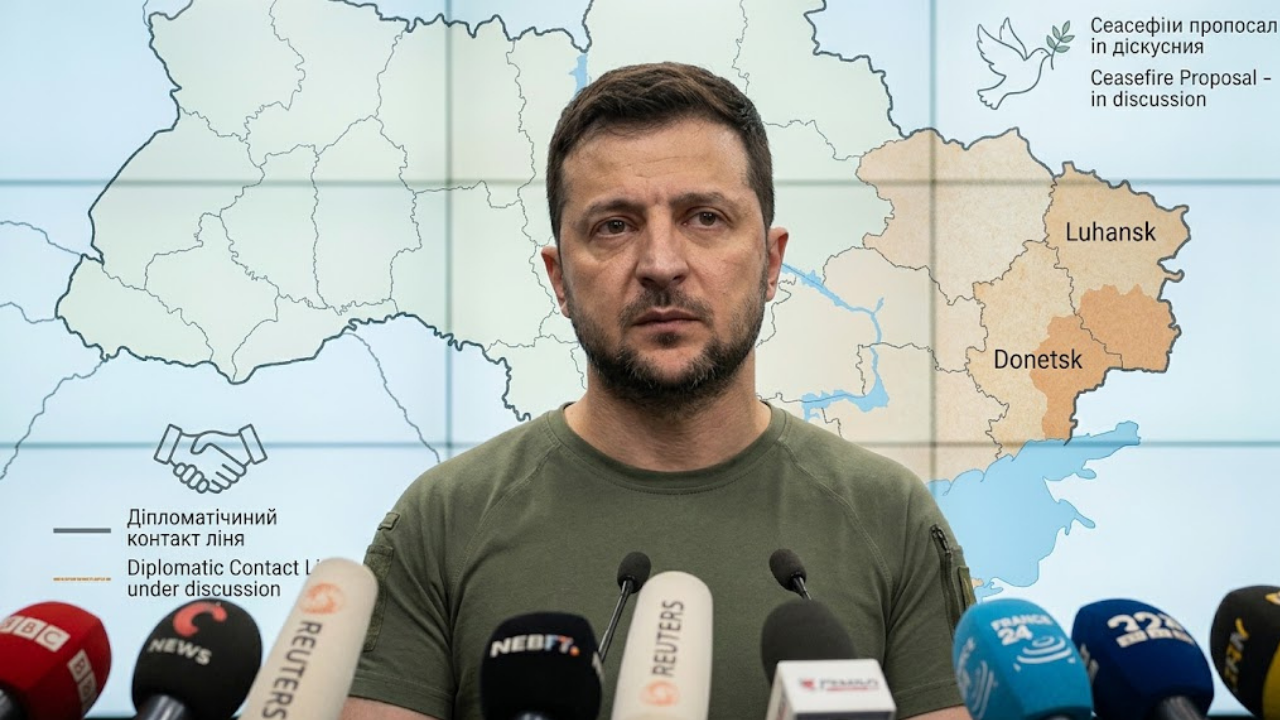
The Zelensky peace plan took clearer shape on Saturday, when President Volodymyr Zelensky said Ukraine had reached agreement with its American and European partners on a set of “key ideas” for ending the war with Russia. The framework centers on a ceasefire and a mutual troop withdrawal that would create a buffer zone in the east. The announcement, made during a briefing with journalists in Kyiv, is the latest step in a diplomatic process that has produced several drafts and counter-drafts over the past year without a signed deal.
What’s Actually in the Zelensky Peace Plan
According to Zelensky, discussions with U.S. envoys Steve Witkoff and Jared Kushner have been consolidated into a single working document laying out what he described as realistic options for ending the fighting. “We agreed to put all these discussions on one page,” Zelensky told reporters, adding that Washington intends to bring the same document to Moscow. Three elements currently sit at the center of the Zelensky peace plan:
A ceasefire, which Zelensky called the top priority. “In short, there is one idea for a ceasefire – that is the main thing,” he said. A proposed “free economic zone” in eastern Ukraine, under which Ukrainian and Russian forces would each pull back an equal distance, creating a demilitarized buffer administered by a third party. Zelensky noted that key details – including who would actually govern the zone – remain unresolved.
A separate track defining next steps for the European Union, NATO, and Ukraine itself, which officials have not yet detailed publicly. Zelensky said U.S. officials have signaled they are holding back additional elements of the peace plan until they find, in his words, “the right moment” to present them – an indication that the current document is a partial rather than a comprehensive settlement.
The Sticking Points That Have Sunk Previous Drafts
This is not the first attempt at a framework. In December, Ukrainian and U.S. negotiators produced a 28-point plan that Kyiv’s European allies criticized as weighted heavily toward Russian demands, including territorial concessions and caps on the size of Ukraine’s armed forces. Zelensky’s team subsequently pared it down to a 20-point counter-proposal that added an affirmation of Ukrainian sovereignty and security guarantees modeled on NATO’s Article 5 collective-defense clause.
Even that revised draft ran into the same obstacle now facing the Zelensky peace plan‘s free-economic-zone idea: Russia has insisted it must control the entirety of the Donbas region, even though roughly 14 percent of it remains under Ukrainian government control today. Washington’s proposal to convert the disputed strip into a demilitarized zone was meant as a middle path, but Zelensky has voiced open skepticism about the concept and said he is pushing for changes before signing on.
He has also said any territorial arrangement would need to go before the Ukrainian public, either through a referendum or an election, a step he has described as necessary to ensure decisions of this scale come from Ukrainians rather than being imposed from outside.
Why a Real Settlement Remains Elusive
The current round of diplomacy follows a summer of high-profile but inconclusive summitry. President Trump met Russian President Vladimir Putin in Alaska in mid-August without securing a ceasefire, then hosted Zelensky and a group of European leaders in Washington days later. Trump has since pushed publicly for a faster settlement, and Kyiv has faced growing pressure to accept terms it previously resisted.
Momentum has been uneven since. A planned visit by Witkoff and Kushner to Kyiv and Moscow – seen as the next concrete step toward testing whether Russia will engage with the Zelensky peace plan – has been pushed back, with a source close to the talks indicating it is unlikely to happen before the end of August. Russian Foreign Minister Sergei Lavrov has said Putin remains open to meeting U.S. envoys again but has questioned what, specifically, they would bring to the table.
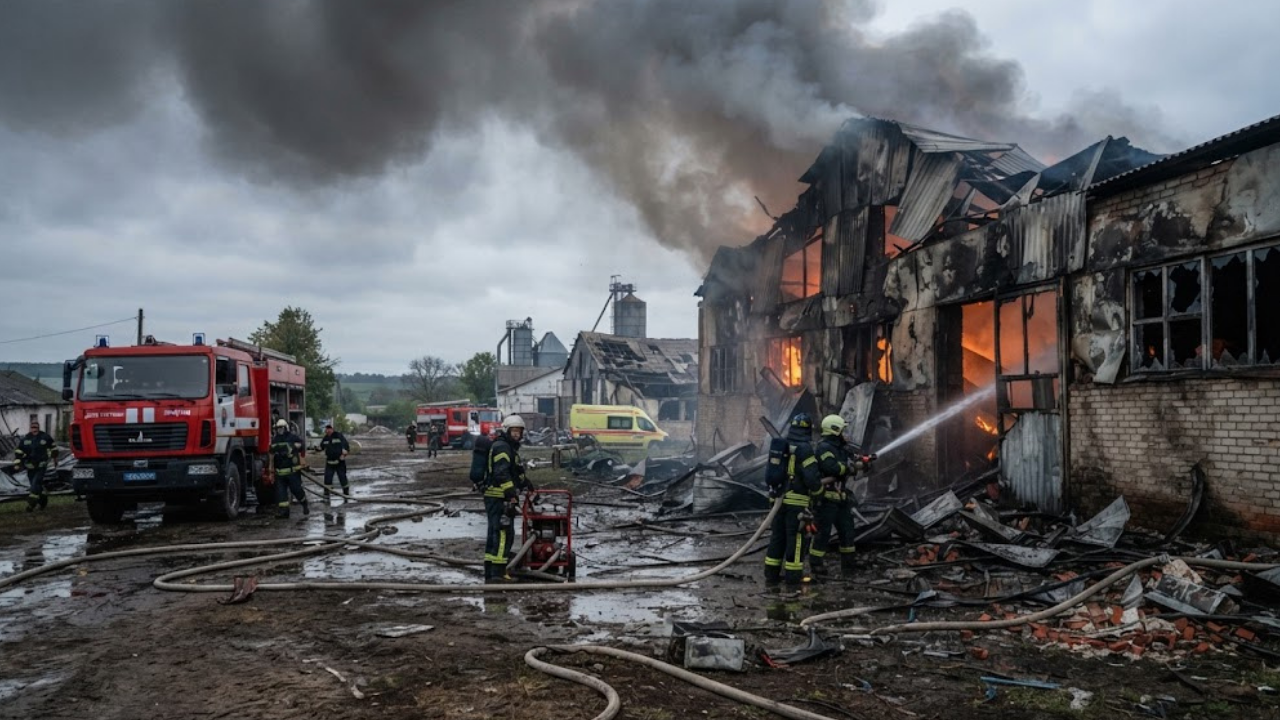
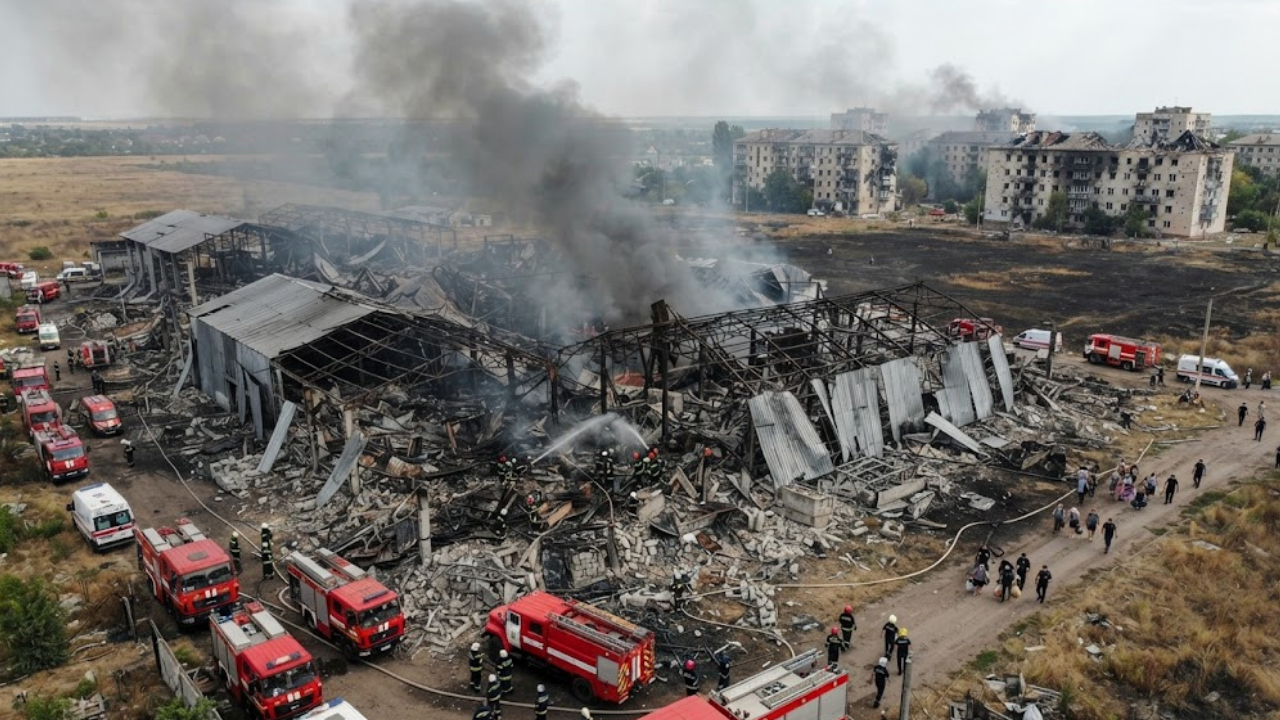
The diplomatic pause has not translated into a pause in the fighting. July was the deadliest month for Ukrainian civilians since Russia’s full-scale invasion began, according to the United Nations Deputy Secretary-General, a reminder that each stalled round of talks carries a human cost measured well beyond the negotiating room. It is the same pattern HumanCrisisNews.com has documented at the local level, including in the missile strike on Pechenihy, a small Ukrainian town with no strategic value that briefly drew attention only because of the scale of a single attack.
Ukraine is not the only front where a US-brokered ceasefire has stalled over the same basic dynamic – a party asked to withdraw before the other side disarms or pulls back first. HumanCrisisNews.com has tracked a near-identical standoff in Gaza, where the international stabilization force still hasn’t reached its troop target a year after that ceasefire took hold, months after it was first announced.
What Happens Next for the Zelensky Peace Plan
For now, the “key ideas” Zelensky described amount to a starting point rather than an agreement. The U.S. still needs to test Russia’s willingness to accept a ceasefire and the free-economic-zone framework, the governance of any demilitarized area remains undefined, and Zelensky has yet to secure the security guarantees he has called essential to any lasting deal. Whether Witkoff and Kushner’s delayed trip to Moscow and Kyiv produces movement – or simply confirms the gap between what Washington is offering and what Russia is willing to accept – will likely shape the next phase of the process.
Developing: The full text of the current document has not been made public, and neither Washington nor Moscow has confirmed a timeline for further talks. Details should be treated as preliminary pending official statements from all three governments.