
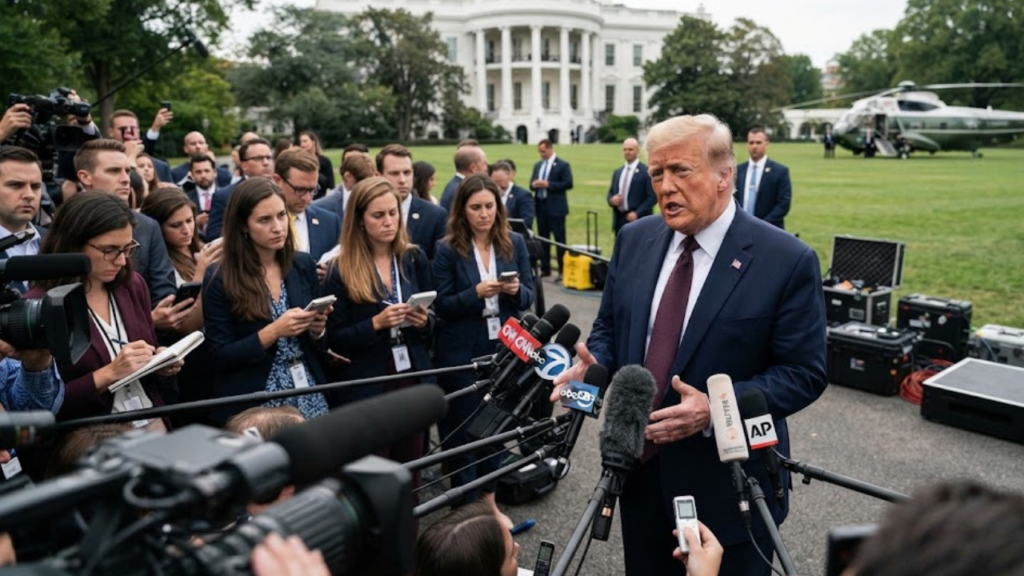
The Iran Hormuz plan that President Donald Trump rejected on Saturday would have reopened the strait within seven days and paused the fighting between the two countries. Iranian officials had submitted it through Qatari mediators, and Trump called it “not acceptable” when reporters asked him about it at the White House before he left for a college football game in Tennessee. “I reject their proposal,” he told them. Trump did not detail every term he objected to, but he said Tehran wanted the deal because it was “losing so badly.”
Why the Iran Hormuz Plan Matters Right Now
The Strait of Hormuz is a narrow waterway between Iran and the Arabian Peninsula that normally carries roughly a fifth of the world’s oil and a large share of the world’s liquefied natural gas. Iran effectively closed it to most traffic after the war with the United States and Israel escalated, and the closure has been described by the International Energy Agency as among the largest supply disruptions in the history of the oil market. Oil traders have watched every twist in the diplomacy closely, since prices have swung sharply on both threats and signs of a deal throughout the year.
Trump underlined the stakes himself on Friday evening, posting an image on Truth Social of the strait labeled “Trump Strait.”
What Iran Actually Offered
Araghchi’s proposal, according to Iranian officials, would have reopened the strait, restarted talks over Iran’s nuclear program and reduced regional hostilities before broader negotiations resumed, all within a week of American acceptance. It closely echoed a memorandum of understanding the two countries reached in June, under which Iran would have received relief from sanctions in return for a promise not to pursue a nuclear weapon and for reopening the strait. That earlier deal collapsed within weeks over disputes about its vague wording, particularly over who would control shipping through the waterway, and strikes resumed soon after.
Araghchi said Saturday that Iran had seen Trump’s public comments but was waiting for a formal U.S. response through mediators before deciding its next step, adding that Iran’s own conditions still stand. The gap between what Iran proposed and what Trump was willing to accept remains, for now, the central obstacle to any new Hormuz plan.
The War Behind the Diplomacy
The current conflict began on Feb. 28, 2026, when the United States and Israel launched coordinated strikes on Iran that killed Supreme Leader Ali Khamenei and targeted the country’s nuclear and military infrastructure. Iran retaliated with missile strikes on Israel and on U.S. bases in the Gulf, and the fighting has continued in phases through the year, punctuated by short-lived ceasefires and mediated talks that have repeatedly broken down.
Iranian President Masoud Pezeshkian said in an interview Saturday with Al Jazeera that resolving the Hormuz dispute “is possible through negotiations, not the use of force,” though he added that his government does not fully trust talks with Washington. Trump, for his part, has said in recent weeks that he was still weighing whether to escalate further against Iran or reach a deal, and Saturday’s rejection suggests he has not yet settled on either path.
What Remains Unresolved
Neither side has said what happens next if this proposal is formally rejected through diplomatic channels rather than just in public remarks. It is not yet clear whether Iran will revise its offer, wait out the current U.S. position, or return to military pressure on shipping through the strait. Analysts have said Trump’s own views could shift in the coming weeks, and Araghchi’s statement left the door open for Iran’s side to do the same once it receives an official American response.
For now, the strait remains constrained, oil markets remain sensitive to any sign of movement, and the fighting that began in February shows no confirmed sign of ending.