
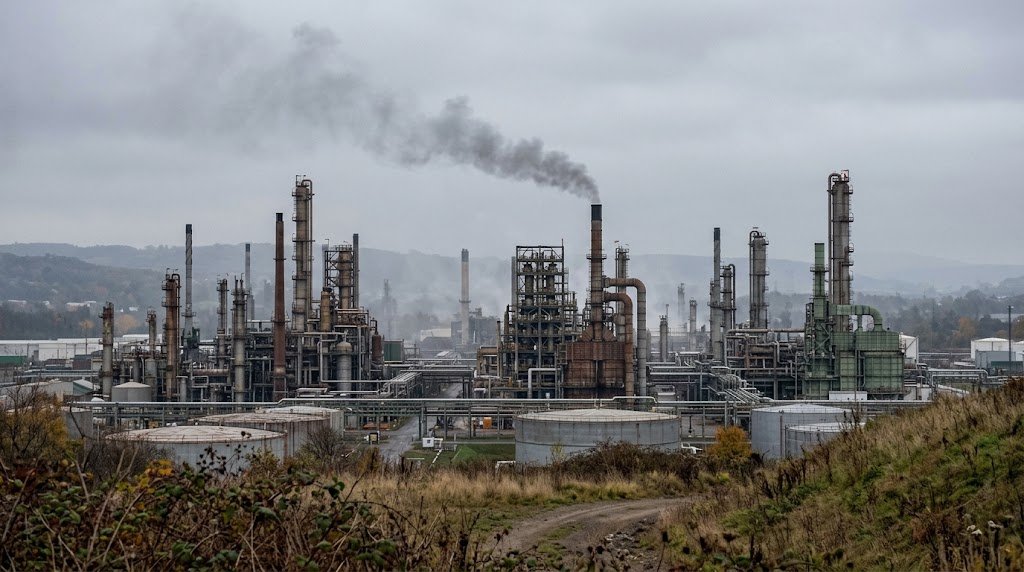
Ukraine resumes refinery strikes inside Russia after a three-day pause, with drones hitting the Ryazan oil refinery early on Thursday, 15 October 2026. The attack came hours after President Volodymyr Zelensky said a brief truce, which Moscow had not accepted, was over. A senior Ukrainian official, speaking on condition of anonymity, confirmed the strike, as reported by NPR. The renewed attacks have also opened a visible gap between Kyiv and Washington, which had pressed Ukraine to stop hitting Russian energy sites.
What Russia says happened at Ryazan
Russia’s Defence Ministry described the incident as a large-scale attack on the refinery, which lies about 180 km (110 miles) southeast of Moscow. According to Al Jazeera’s report, the ministry said a fire broke out after drone debris fell onto the site. Ukrainian-aligned outlets say the drone strike itself started the blaze. The refinery is owned by Rosneft, and it has been targeted before, since Ukrainian officials also reported a strike there in late July.
HCN could not independently verify how much damage was done on Thursday or whether the plant has stopped operating. Neither the Russian nor the Ukrainian government has published a damage assessment, so the extent of the disruption remains unknown.
Why Ukraine resumes refinery strikes now
The pause followed an “energy ceasefire” that US President Donald Trump announced on Sunday, 11 October. Russia never publicly confirmed it and continued to attack Ukrainian energy infrastructure. Zelensky told the Financial Times that Ukraine had held off for three days and, with Russian attacks still arriving, declared that Kyiv was “done,” according to CNN’s coverage. His comment suggests Kyiv saw no benefit in restraint while Russia kept striking its power system.
The Russian attacks that followed were heavy. Zelensky said Russia launched more than 850 drones at Ukraine between midnight and Thursday morning, hitting 15 regions. Ukrainian emergency services said three people were killed and six injured in the central Kirovohrad region after a drone attack lasting more than ten hours. A separate Russian assault a day earlier reportedly killed at least nine people and damaged power sites.
A dispute with Washington as well as Moscow
The strikes have exposed a split with Ukraine’s most important military backer. Washington argues that a pause in attacks, together with a deal for Russia to export 1.8 million tonnes of diesel, would help ease fuel prices, and Trump is trying to lower energy costs before the US midterm elections. He told Newsmax that the renewed strikes were pushing up world oil prices and called them “a disgrace.” HCN has found no independent market analysis confirming a direct link between the strikes and global prices, so the claim should be treated as Trump’s assertion.
Zelensky has raised separate complaints. He says Ukraine was denied its usual Western intelligence on Russian ballistic missile launches and that its use of Starlink terminals was restricted, even though Kyiv had gone along with the truce. Trump has denied that the United States stopped sharing intelligence. The two accounts conflict, and no independent confirmation was available when this article was published.
Zelensky has also said Ukraine would pause strikes on Russian energy sites again if the United States supplied Patriot interceptors. Trump has said Washington is rebuilding its own Patriot stocks first and will allow allies to buy more once its reserves are “really stocked.” The tension marks a sharp change from late July, when Trump described a meeting with Zelensky in Washington as having gone very well. Meanwhile, Russian President Vladimir Putin has warned of “consequences” if Ukraine keeps striking Russian energy, industrial and commercial infrastructure.
How much damage have the strikes done?
On 4 October, Ukraine’s Defence Ministry claimed that its recent strikes had disabled 51% of Russia’s oil refining capacity, according to ABC News. The refineries it named included sites near Moscow and in Yaroslavl, Ust-Luga, Perm, Saratov and Syzran. Russian officials have not released figures on damage to their oil infrastructure, although Putin has made a rare public acknowledgment of the strikes’ economic impact. The 51% figure should therefore be read as an official Ukrainian claim, not a verified measurement.
Who is affected
Civilians in Ukraine are the most directly exposed, because attacks on power infrastructure threaten heating, lighting and water supplies as colder weather approaches. That pressure is the main reason Kyiv gave for ending the pause. Fuel consumers and businesses abroad are caught in a separate argument over whether the strikes raise global prices, a question that analysts have not settled.
Ukraine’s budget is also under strain. The European Union has pledged $50bn in support for next year, while Kyiv says it plans to spend $175bn on its defence. Zelensky was in Brussels on Thursday to press European leaders for tougher sanctions on Russia and faster delivery of aid. The EU’s foreign policy chief, Kaja Kallas, told reporters that Europe’s approach is to pressure the aggressor, not the victim.
What to watch next
Several developments will shape what happens next. Russia may act on Putin’s warning of consequences, and the form of any response will show whether the exchange of energy strikes is widening. Washington may also confirm or deny the reported limits on intelligence and Starlink access, which Kyiv says affect its ability to defend itself.
Talks over a Patriots-for-pause arrangement could return if Washington engages with Zelensky’s condition. Satellite imagery or independent analysts may eventually confirm how badly Ryazan and the other refineries were damaged. Until then, most claims about the scale of the campaign rest on statements from the two warring governments.