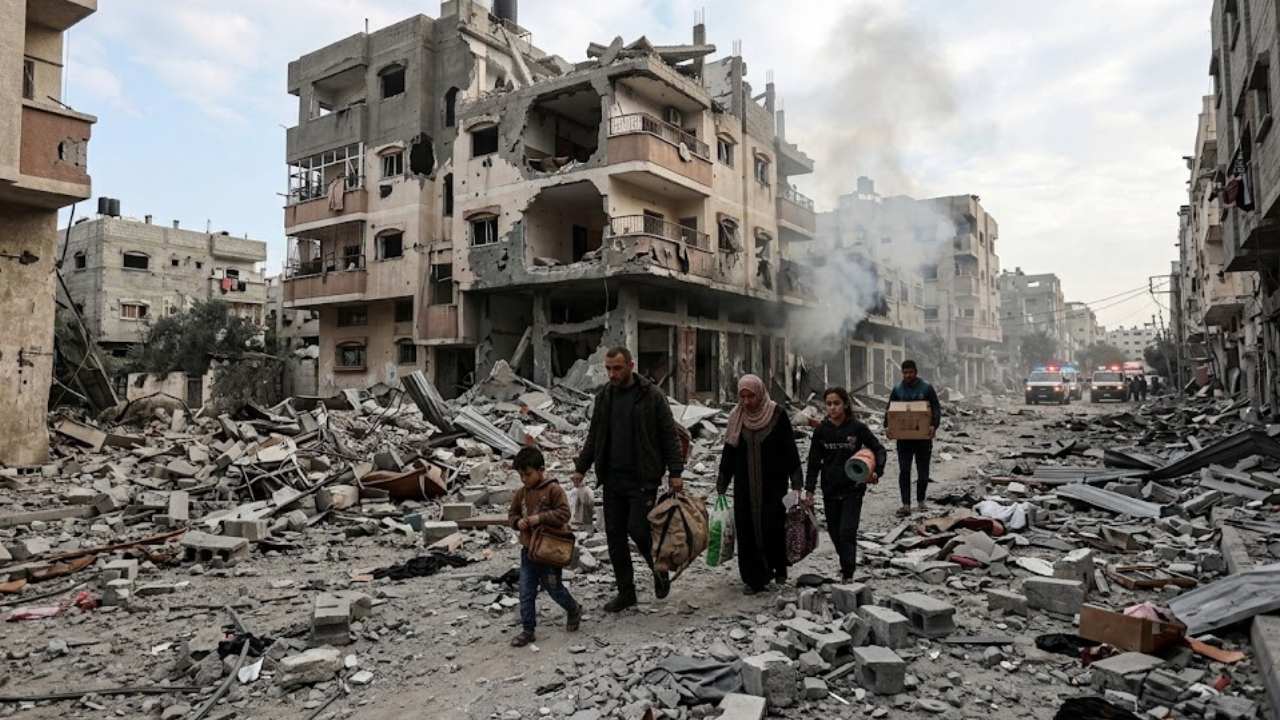
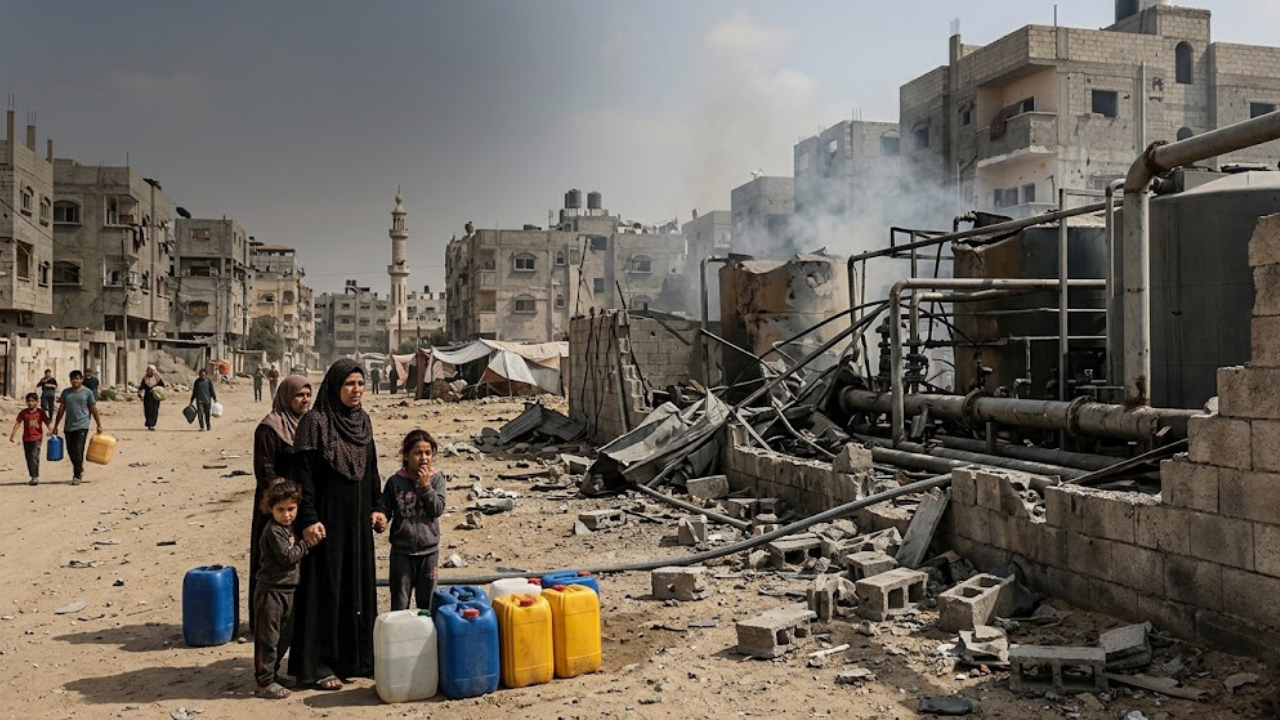
Seven people were killed and several more wounded across the Gaza Strip on Monday, August 24, after Israeli forces carried out strikes on a mosque, a warehouse of aid supplies, tents sheltering displaced families, and a Gaza desalination plant strike that knocked out one of the territory’s few working sources of clean water.
The dead included two children, according to accounts gathered from the Palestinian news agency Wafa and reported by Al Jazeera and Democracy Now.The attacks unfolded in at least four locations. Al Jazeera correspondent Tareq Abu Azzoum, reporting from Deir el-Balah, said the Israeli military had marked these sites with forced displacement orders shortly before the strikes began.
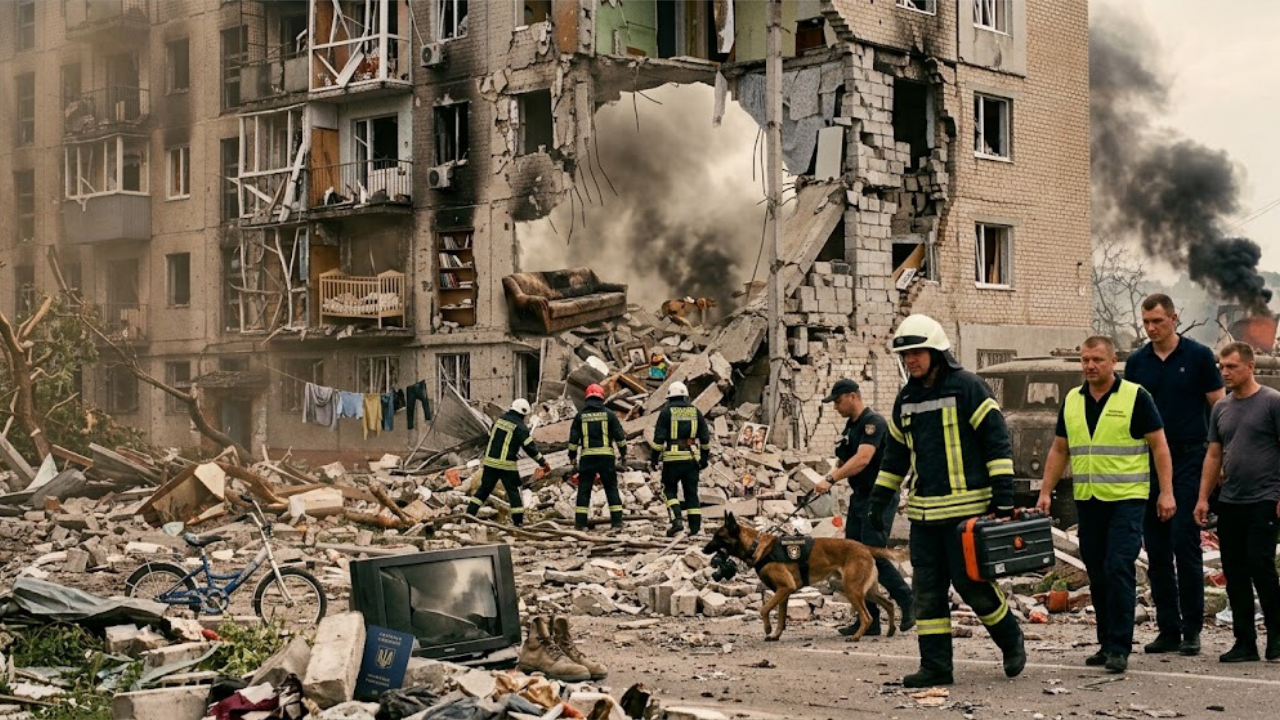
Among the sites hit were the water desalination facility, a mosque, and a warehouse holding humanitarian supplies. Under the terms of the ceasefire signed in October 2025, this kind of civilian infrastructure is not supposed to be a target – a gap between agreement and reality that has defined the ten months since, much as it has in other supposedly frozen conflicts, including Russia’s continued strikes on Ukrainian towns with no front-line significance.
The Gaza Desalination Plant Strike and Other Targets
Central Gaza absorbed the worst of Monday’s violence. In the Bureij refugee camp, an Israeli strike on a family home killed four-year-old Hassan al-Hafi, Wafa reported. In Khan Younis to the south, a girl identified as Amal Nash’at Abu Khater died of gunshot wounds after being fired on by Israeli forces. Near Shuhada al-Aqsa Hospital in Deir al-Balah, a drone strike hit a tent sheltering displaced people, killing two brothers – Mohammed Abdul Nasser Abu Asad, 27, and Ibrahim Abdel Nasser Abu Asad, 24 – according to Countercurrents.
Wafa also reported that a man died overnight from wounds sustained in a separate raid on a tent in central Deir el-Balah, and that two more people succumbed to injuries from Israeli attacks earlier in the week. That detail matters: it’s a reminder that Monday’s official toll likely understates the week’s cumulative harm.
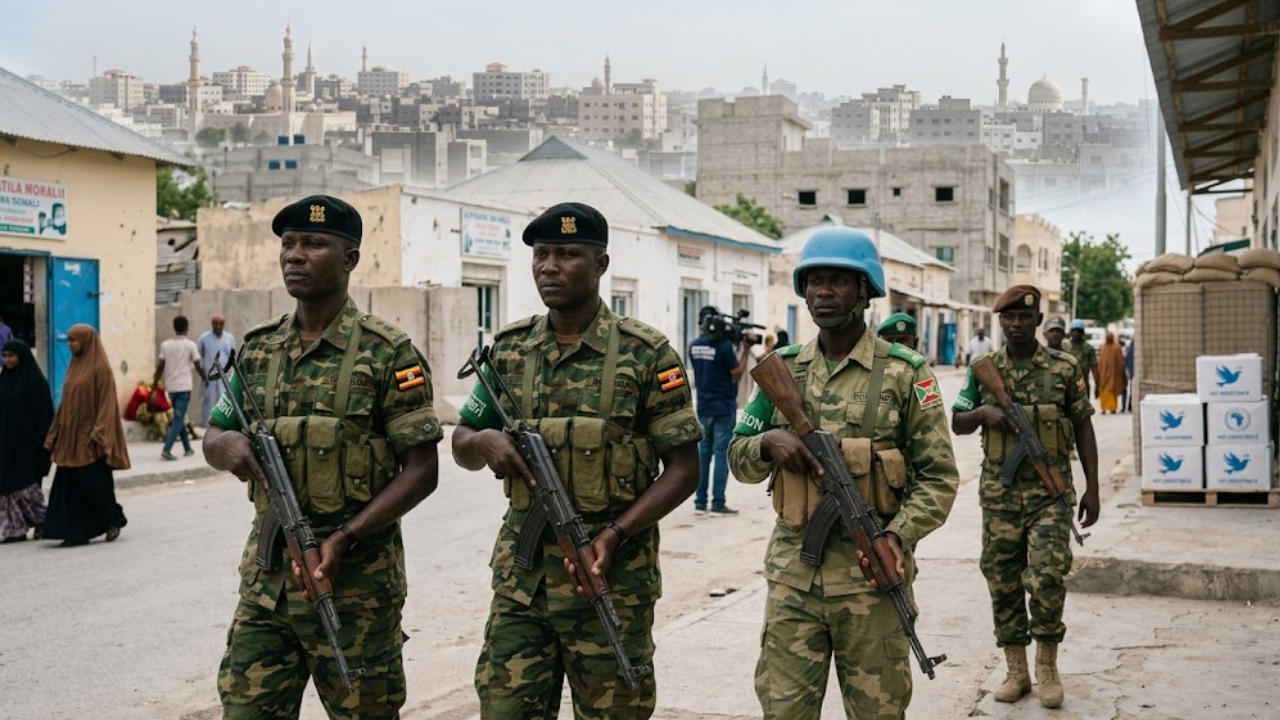
The desalination plant itself sits in the Sheikh Radwan neighborhood of Gaza City, where aircraft also struck a water treatment facility, according to Countercurrents. For a population still rebuilding sanitation systems after two years of war, a strike on desalination infrastructure is not a symbolic blow. It is a direct hit on the machinery that keeps disease outbreaks and dehydration at bay in overcrowded displacement camps – the same fragile systems international monitors have flagged while tracking Gaza’s broader stabilization efforts, including the proposed multinational force meant to oversee security in the territory.
The Israeli military and Shin Bet offered a different account of parts of the operation. In a statement reported by Haaretz, the two agencies said they had targeted weapons storage facilities inside mosques in the Shati and Deir al-Balah areas, describing the sites as holding rifles, magazines, and other military equipment that Hamas operatives had also allegedly used for shelter.
The military said warnings were issued to civilians before the strikes. Palestinian reporting places an earlier strike that hit a mosque and the water facility in Gaza City’s Sheikh Radwan area separately from this account, and neither side’s version has been independently verified. “The ceasefire has effectively represented an extension of the war itself,” Abu Azzoum said, describing how residents in Deir el-Balah view the pattern of continued strikes on sites they had believed were protected.
A Ceasefire in Name Only
The October 10, 2025 ceasefire agreement, brokered with U.S. involvement after roughly two years of war that killed more than 70,000 Palestinians, was meant to end major hostilities and open a recovery phase for Gaza. Instead, casualty figures compiled by the UN and Gaza’s Ministry of Health have climbed steadily through nearly every month since: 279 dead by mid-November, 394 by late December, 618 by late February, and 738 by mid-April, according to successive OCHA situation reports and OHCHR updates.
By Monday, that figure had grown to nearly 1,300 Palestinians killed since the truce took effect, Democracy Now reported. Gaza’s government media office separately counts more than 4,300 recorded ceasefire violations since October, according to Quds News Network – a pace of breach that echoes how other internationally brokered peace frameworks, including the one proposed for Ukraine, have struggled to hold once signed.
Those numbers describe a pattern mainstream coverage has struggled to convey: a “ceasefire” that residents experience less as an end to danger than as a change in its rhythm. A man surveying the damage at the bombed mosque, identified as Mohammed Abu Amra, put it simply: “They are bombing our mosques where we pray.”
What This Monday Reveals
Strikes on a mosque and a water plant rarely make headlines the way large-scale offensives once did. Each incident is smaller, more diffuse, easier to file under “violations” rather than “war.” But taken together with the rising monthly death counts, Monday’s attacks point to something mainstream coverage has been slow to register: for Gaza’s civilians, the legal end of the war has not produced the physical safety the word “ceasefire” implies.
A four-year-old killed in his home. A girl shot in the street. Brothers killed in the tent that was supposed to be their shelter. These are not outliers within a ceasefire – nearly a year in, they have become its texture, a pattern of everyday, under-the-radar loss not unlike what has kept communities in other overlooked corners of ongoing conflicts, from Sudan to Ukraine, out of the daily headlines even as the harm continues.
Humanitarian groups working in Gaza continue to report strained water and sanitation systems, high rates of new amputations and injuries, and restricted entry of medical supplies, even as aid volumes have improved compared to the war’s peak. The Gaza desalination plant strike adds another strain to a water system the UN has already flagged as barely adequate for the population’s needs.
Current Status
As of this reporting, none of Monday’s individual strikes had been independently investigated by a neutral body. Casualty figures – as with most single-day tolls in Gaza – should be treated as preliminary and subject to revision as more information emerges from hospitals and local authorities. The Israeli military’s account of weapons finds inside the targeted mosques has not been independently corroborated. Gaza’s Government Media Office and UN agencies are expected to update their running ceasefire-violation and casualty counts later this week.